
Reviewed · SACHSENHAUSEN CONCENTRATION CAMP TOURS
Berlin: Sachsenhausen Memorial 6-Hour Tour in Spanish
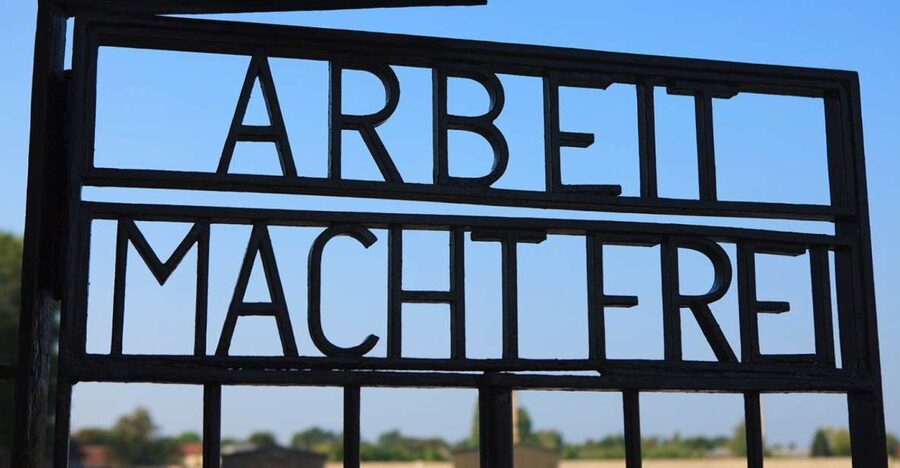
Sachsenhausen is not a casual day out. It is a place of Nazi terror, mass death, and later Soviet imprisonment, presented across a six-hour tour in Spanish. The most haunting stops are Station Z, built for rapid killing, and the A Tower, where prisoners gathered for roll call.
I like the Spanish-speaking guide, which makes the documents, survivor accounts, and legal machinery easier to follow. I also like the simple train connection from central Berlin and the fact that the €3 foundation surcharge is already covered. Guides called Héctor and Helena have been singled out for clear, direct explanations.
The hard part is practical as well as emotional: the visit includes a good deal of walking and outdoor time, often with little shelter. You must buy your own ABC transport ticket, and there is no shop at the memorial, so bring snacks and water.
Key points before you book
- Station Z gives the visit its most sobering focus: This 1942 killing facility was designed to murder victims quickly and systematically.
- The A Tower explains camp control: It was the roll-call area and the main entrance point into a camp intended as a model for the Nazi system.
- The tour covers two dictatorships: Sachsenhausen later became a Soviet gulag, so the visit does not stop in 1945.
- Spanish makes the evidence easier to grasp: You work through personal accounts, photographs, official documents, and museum displays with a live guide.
- The trip takes six hours from Berlin: The outward train ride alone takes about 50 minutes, leaving substantial time at the memorial.
- You need a Berlin ABC transport ticket: It is not included, and food and drinks are worth packing before you leave.
From Alexanderplatz to Sachsenhausen in 50 minutes
The morning begins beside the Alexanderplatz TV Tower, near the only entrance to the tower, between the Fernsehturm and Alexanderplatz train station. Look for the green flag marked tours en español, next to Espresso House.
This is a useful meeting point in central Berlin, but Alexanderplatz can be busy and confusing. Give yourself enough time to locate the tower entrance and the café. Do not wait by a random side of the television tower. The green flag is the key detail.
From there, the group takes public transport toward the northern edge of Berlin. The train ride takes about 50 minutes, so the journey is part of the six-hour schedule, not a minor transfer. You need a ticket covering zones ABC. That extra cost matters when comparing the $41 tour price, because the advertised price does not include transport.
I like this arrangement for one reason: you do not need to find the memorial alone or work out the route from Berlin. A guide sets the historical frame before you reach the site. The tradeoff is that this is a shared public transport trip, not a private vehicle transfer. The tour depends on the normal city and regional rail system.
More Sachsenhausen memorial visits from Berlin:
- Berlin: Sachsenhausen Concentration Camp Tour in English
★ 5.0 · 5,711 reviews - Berlin: Sachsenhausen Concentration Camp Memorial Tour
★ 4.7 · 3,716 reviews - Sachsenhausen Concentration Camp Bus Tour in English from Berlin
★ 5.0 · 1,962 reviews
Why Sachsenhausen mattered to the Nazi system
Sachsenhausen was built close to Berlin and intended as a model concentration camp. It also became the administrative center for other Nazi concentration camps. That makes the site important beyond its own buildings. Here you are not looking at an isolated prison, but at a place tied to the organization of the wider camp system.
More than 200,000 people passed through Sachsenhausen. At least 50,000 died. Those figures are difficult to absorb as numbers alone, which is why the guide’s use of photographs, documents, and personal accounts matters. The evidence helps connect the machinery of the camp to the people trapped inside it.
The Spanish presentation is especially useful if you do not read German comfortably. You can ask questions in Spanish and follow the explanations without spending your energy translating signs. The tour also covers the legal and administrative side of the camp, a point praised by Nicolás from Chile. That subject can sound dry, but it helps you see how persecution was organized through official rules, paperwork, and orders.
The A Tower and the daily ritual of control
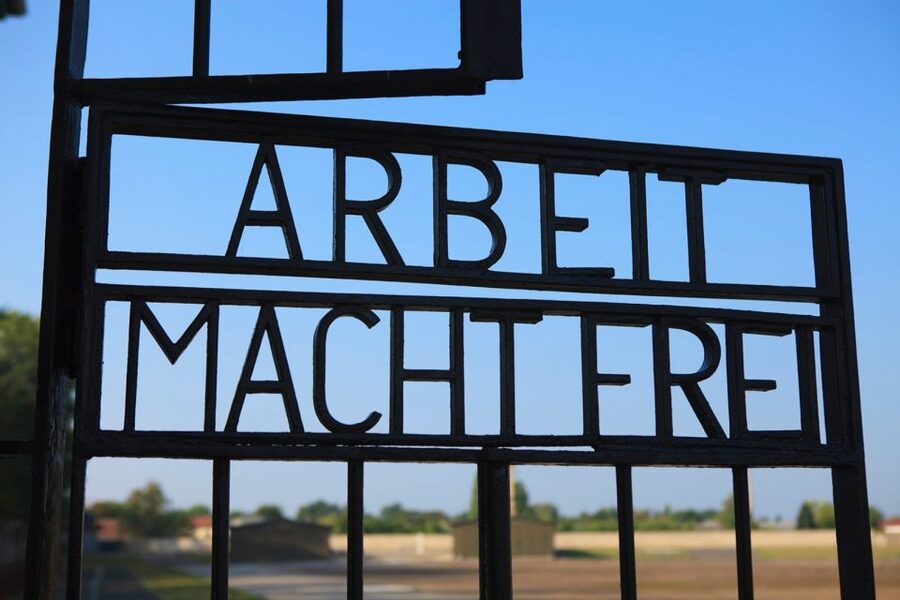
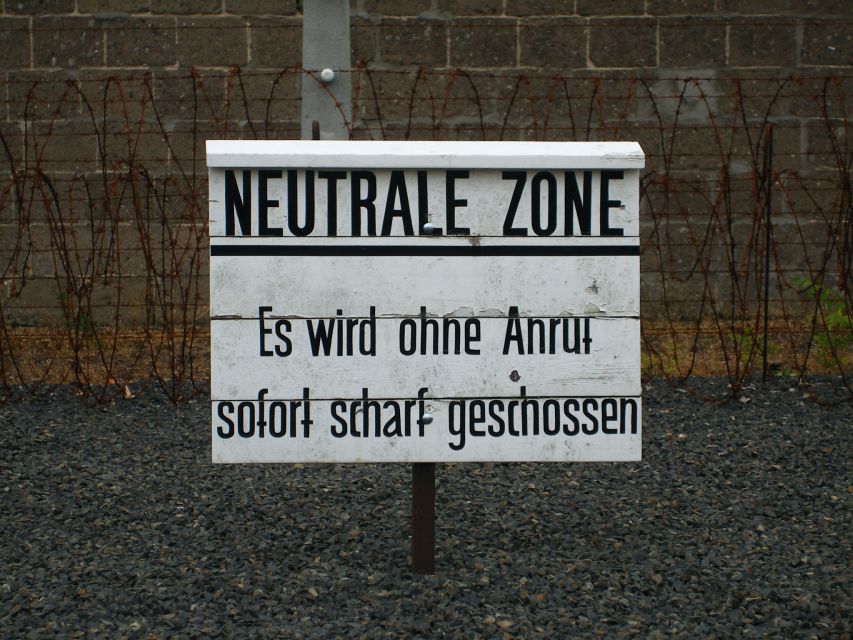
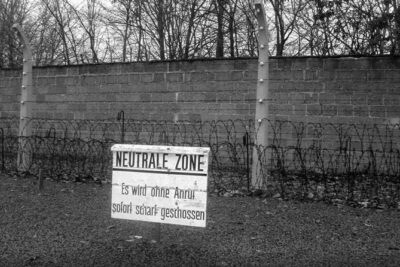
The A Tower marks the main entrance area and the roll-call location. Roll call was not a quick head count. It was a central ritual of control, forcing prisoners to gather while guards checked the camp population.
This is one of the places where the guide’s storytelling can change how you read the open grounds. Rather than seeing a gate and an empty yard, you begin to understand how time, movement, discipline, and fear shaped ordinary camp life.
The tour also explains the kind of work prisoners performed and what daily existence would have been like. The supplied information does not promise a single reconstructed worksite or a particular labor demonstration, so you should expect historical explanation supported by the preserved site, museum material, and documents.
Wear shoes you can walk in. The memorial is wheelchair accessible, but the exact ease of every route is not detailed here. If you use a wheelchair, it is sensible to confirm the transport and site arrangements before departure.
Station Z, the visit’s darkest stop
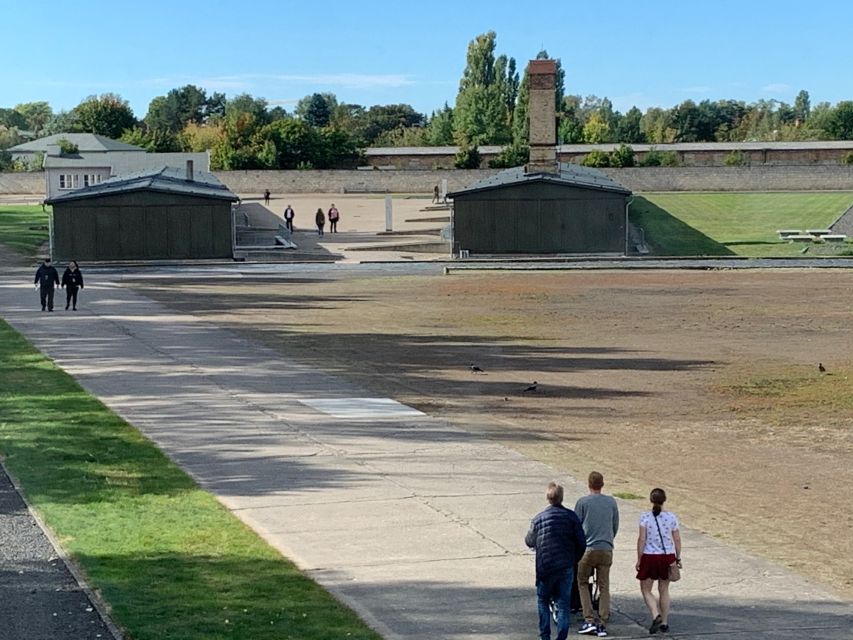
Station Z was added in 1942 as a facility for killing victims quickly and clinically. The name alone can sound abstract, but the place is meant to confront you with the planned nature of murder.
This is not a stop to rush through. A Spanish-speaking guide can explain what the site was for and place it within the wider camp system, while the preserved setting gives the facts a physical point of reference. The result is grim, but it is also the clearest reason to visit Sachsenhausen with a guide rather than treating the memorial as a collection of empty ruins.
Expect this section to be emotionally heavy. The tour is educational, not entertaining, and the subject matter includes mass death, prisoner suffering, and the workings of a killing facility. If you are visiting with children or anyone who finds Holocaust sites especially difficult, consider discussing the nature of the visit beforehand.
A different sort of day out in Berlin:
- Berlin: Reichstag, Dome and Government District Guided Tour
★ 4.7 · 18,288 reviews - Berlin: 1-Hour City Tour by Boat with Guaranteed Seating
★ 4.3 · 16,993 reviews - Berlin: Boat Tour Along the River Spree
★ 4.4 · 11,252 reviews - Discover Berlin Half-Day Walking Tour
★ 5.0 · 9,624 reviews
Prisoner life, work, and the evidence left behind
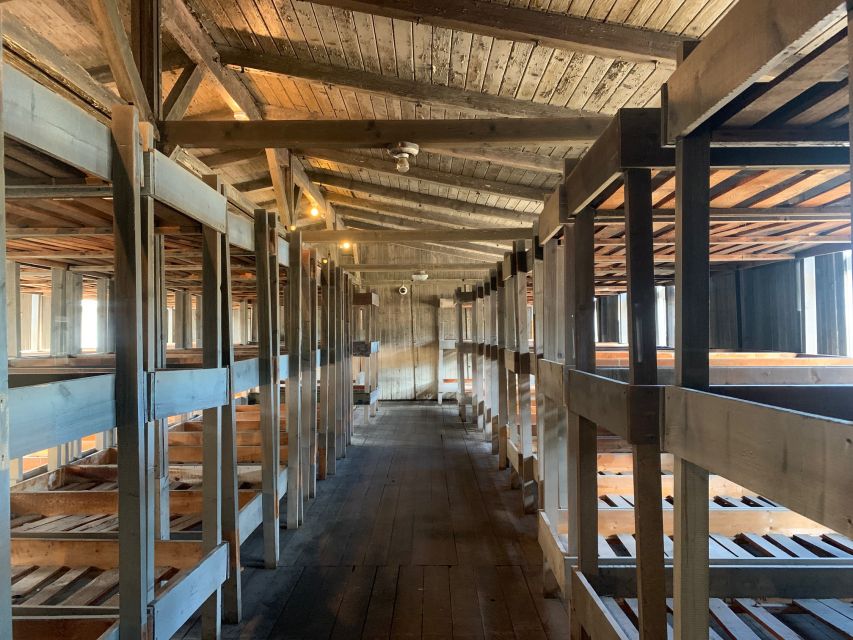
A major part of the six-hour program looks at camp origins, prisoner life, and forced work. The guide uses survivor accounts, photographs, and official documents to show how the camp functioned.
I value this mix because each type of evidence does a different job. A photograph can show the physical setting. An official document can reveal how authorities classified and managed prisoners. A personal account can explain what those systems felt like to a person living through them.
The museum and other exhibits add another layer. You can spend time with the material rather than relying only on an outdoor walk. Since much of the visit takes place at a memorial site, your experience will depend partly on your attention and the guide’s pacing. This is not a quick photo stop. You need time to listen, read, and think.
There is no shop at Sachsenhausen. Bring a bottle of water and snacks from Berlin. A six-hour outing with public transport and outdoor walking is long enough for hunger or thirst to become an unnecessary distraction.
From Nazi concentration camp to Soviet gulag
Sachsenhausen’s story did not end with the fall of Hitler. After the war, the Soviets used the site as a gulag for their own prisoners.
This second period is one of the tour’s most useful features. It prevents you from seeing the memorial only through a single historical lens. The site records Nazi crimes, but it also shows how the same place was later used under Soviet rule.
You should expect the guide to explain both eras rather than treating the Soviet period as a footnote. The subject can be complex, since the victims, systems, dates, and political contexts were different. That is exactly why a clear Spanish explanation helps.
The visit also includes the GDR memorial, linking the site to the way East Germany later remembered and presented Sachsenhausen. You are looking at a memorial shaped by more than one political era. The tour gives you a chance to consider not only what happened there, but also how governments chose to preserve and explain it.
What the six-hour schedule feels like
Six hours sounds generous, but the time includes travel from central Berlin and back. With a 50-minute train ride in each direction, a substantial portion remains for the memorial itself, the museum, explanations, and movement between locations.
That is enough time for a meaningful visit, but not necessarily enough to read every display at length. If you want to examine every document and exhibit in detail, you may feel pressed. The advantage is that the guided format keeps the day focused and gives you a clear route through a large and difficult subject.
Cold or windy weather can make a real difference. One recent December visit involved intense cold and wind, which made the day physically tough. That is not a flaw in the memorial, but it is a serious planning note. Bring warm layers, weather protection, and comfortable shoes. In warmer months, water becomes even more important.
The tone is direct rather than softened. One guide, Héctor, has been praised for speaking frankly, and Helena has also received warm praise. Guide assignments can change, so book this for the Spanish service and subject coverage, not a guarantee of one particular person.
Is the $41 price fair?
At $41 per person, the tour offers a reasonable value if you want structure and Spanish interpretation. The price includes a full guided visit and the €3 concentration camp foundation surcharge. It does not include the ABC public transport ticket, snacks, or drinks.
You could potentially spend less by arranging transport and visiting independently. The question is how much explanation you want. Sachsenhausen covers Nazi administration, prisoner life, Station Z, the Soviet gulag, and the GDR memorial. Without a guide, you would need to assemble that context from signs and exhibits yourself.
For me, the strongest value is the language access. If Spanish is your preferred language, the ability to follow survivor accounts and historical documents without constant translation is worth paying for. It is also useful for first-time visitors to Germany who may find the local transport system or German-language material difficult.
The tour is less attractive if you prefer to move at your own speed, spend hours in the museum, or avoid a fixed group schedule. You also need to budget for public transport separately.
Who should choose this Spanish tour?
This tour suits you if you want a serious, guided visit to one of the most important memorial sites near Berlin and prefer to learn in Spanish. It is a strong choice for first-time visitors who want the Nazi and Soviet periods explained together.
It also suits people who value historical documents and personal accounts, not just preserved buildings. The guide helps connect the A Tower, Station Z, prisoner labor, administrative records, and later memorials into one clear story.
Think twice if you want a light outing, dislike long public transport trips, or are not prepared for explicit discussion of killing and imprisonment. The subject is painful, and the open site can be cold, windy, and tiring.
Free cancellation up to 24 hours before departure and reserve-now-pay-later booking give you some planning flexibility. The tour is listed as wheelchair accessible, but you should still check the transport details if you need specific assistance.
Should you book it?
Book this tour if you want Sachsenhausen explained in Spanish, with enough time to see Station Z, the A Tower, museum material, and the Soviet and GDR memorial elements. The guides’ clear, direct approach is a major part of the value, especially for a site where context matters as much as the surviving structures.
Skip it if you would rather visit alone and read at your own pace. For most Spanish-speaking visitors who want a guided and historically broad introduction, the $41 price is fair once you add the transport ticket and pack your own food and water.
FAQ
Where does the tour meet in Berlin?
The meeting point is beside a green flag marked tours en español, next to the only entrance to the Alexanderplatz television tower. It is between the Fernsehturm and Alexanderplatz train station, beside Espresso House.
How long is the tour?
The full activity lasts six hours, including the journey from central Berlin to Sachsenhausen and the return trip.
How long does the train ride take?
The train journey to the northern outskirts of Berlin takes about 50 minutes.
Is public transport included?
No. You need to buy your own transport ticket covering Berlin zones ABC.
Is the concentration camp foundation surcharge included?
Yes. The €3 Sachsenhausen Concentration Camp Foundation surcharge is included in the tour price.
What language is the tour offered in?
The live tour guide speaks Spanish.
Should I bring food and drinks?
Yes. There is no shop at Sachsenhausen, so bring snacks and drinks with you.
Can I cancel for a full refund?
Yes. You can cancel up to 24 hours in advance for a full refund. You can also reserve now and pay later.
Newest Berlin reviews
- Where It All Began: Berlin’s Queer & Trans History Tour★ 4.9 · 6 reviews
- Understanding Kreuzberg: The roots of local (sub)culture★ 4.9 · 11 reviews
- Berlin: guided canoe | kayaktour★ 4.1 · 7 reviews
- Private Potsdam City Tour in an authentic vintage van★ 5.0 · 14 reviews
- Warnemünde Shore Excursion: Private Sachsenhausen and Berlin Tour★ 5.0 · 12 reviews
- Ultimate E-Bike Tour of Berlin with Beer Garden Stop★ 5.0 · 4 reviews
- In the Forbidden City – Potsdam Walking Tour★ 5.0 · 17 reviews
- Private Walking Tour of Potsdam and Sanssouci★ 5.0 · 24 reviews
Sachsenhausen Concentration Camp Tours, compared.
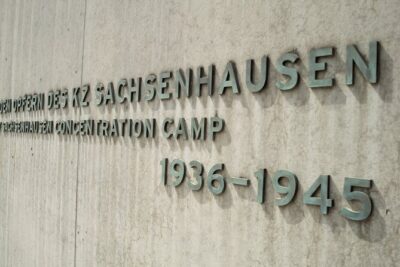
Sachsenhausen Concentration Camp Tour in English
Read our review →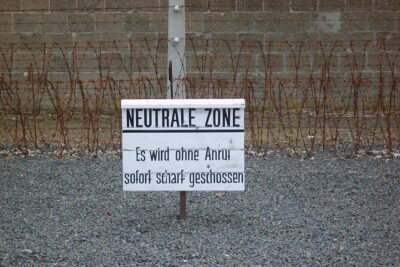
Sachsenhausen Concentration Camp Memorial Tour
Read our review →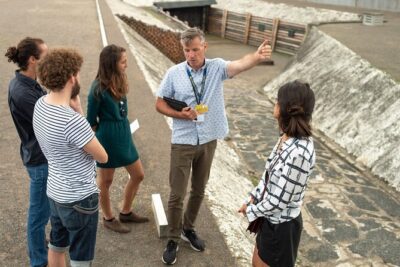
Sachsenhausen Concentration Camp Bus Tour in English from Berlin
Read our review →Sachsenhausen Concentration Camp Tour in English
Read our review →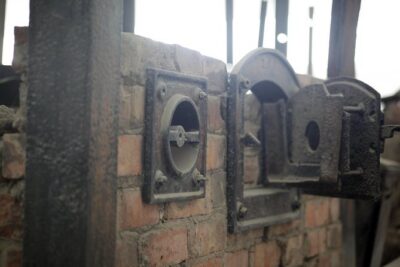
Sachsenhausen Concentration Camp Memorial Tour (Max. 15 Guests)
Read our review →
Sachsenhausen Concentration Camp and Potsdam Tour
Read our review →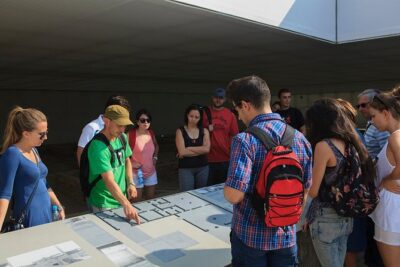
Visita en español al campo de concentración Sachsenhausen
Read our review →Browse the lists this tour appears in