Reviewed · TICKETS
Berlin: Entry Ticket To The Kunstgewerbemuseum
The Kunstgewerbemuseum brings together the beautiful and the useful, from medieval reliquaries glittering with gold and stones to finely made furniture, clothing, glass, and modern design. You get a quick lesson in how European taste changed over the centuries without committing to a long guided tour.
I like the wide range of objects and the ticket’s modest price. I also like the museum’s open staircase and spacious rooms, which make it easier to move through a large collection. The main drawback is that some displays can feel dark, and visitors hoping for a large fashion section may find that part less extensive than expected.
Key points
- Medieval treasures: See reliquaries, goldwork, precious stones, and carved wooden pictures.
- Design across centuries: The collection includes ceramics, porcelain, glass, silver, furniture, clothing, and modern industrial design.
- Central Berlin setting: The museum is at Matthäikirchplatz, near Potsdamer Platz and Tiergarten.
- Two exhibition locations: The collection is presented at the Kulturforum and at Köpenick Castle.
- Self-guided visit: Your entrance ticket covers admission, but not an audio guide or tour guide.
- Good low-cost stop: At $11 per person, the museum offers a useful indoor visit for a reasonable price.
Why the Kunstgewerbemuseum is worth your time
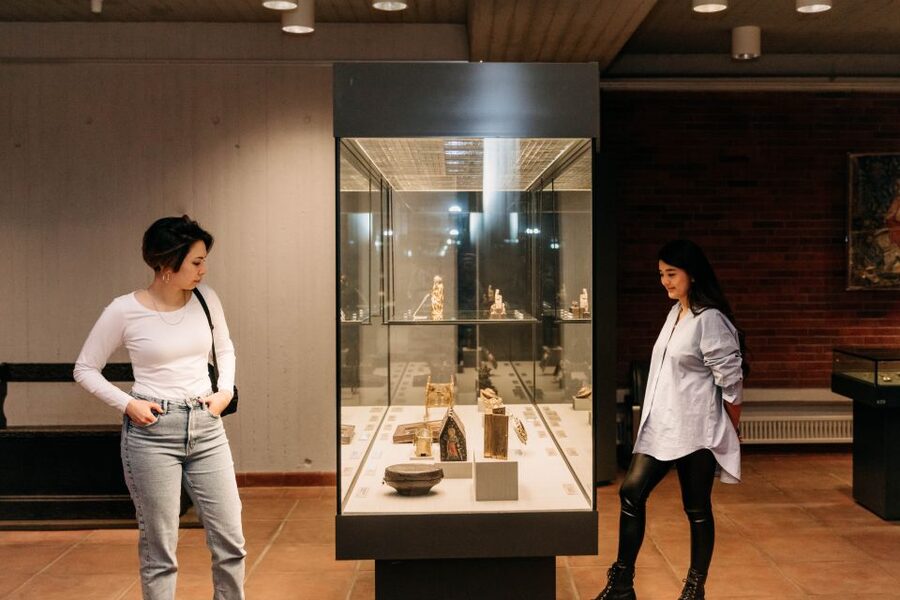
Berlin has no shortage of major museums, but the Kunstgewerbemuseum offers a different kind of pleasure. Instead of focusing only on paintings or sculpture, it asks you to look at objects people used, wore, displayed, and treasured.
That makes the visit especially rewarding if you enjoy design. A reliquary may be a religious object, but it is also a lesson in metalwork and stone setting. A dress tells you about fashion, craft, status, and materials. A chair or vase shows how practical items can become works of art.
The museum is described as Germany’s oldest museum of decorative arts. Its collection reaches from medieval craftsmanship through the 16th, 17th, and 18th centuries and into modern industrial design. You will not see one narrow story. You will see changing ideas about beauty, function, wealth, and everyday life.
I find that this kind of museum works well when you want a break from Berlin’s larger, more demanding institutions. You can spend a full day if you study the displays closely, but the ticket also makes sense for a shorter visit between other stops in central Berlin.
Other Berlin experiences to weigh up
- Berlin: Berlin Story Bunker Entry Ticket
★ 4.6 · 6,759 reviews - Berlin: Illuseum Berlin Entrance Ticket
★ 4.1 · 3,970 reviews - Berlin: Madame Tussauds Admission Ticket
★ 4.6 · 3,941 reviews
Starting at the Kulturforum near Potsdamer Platz
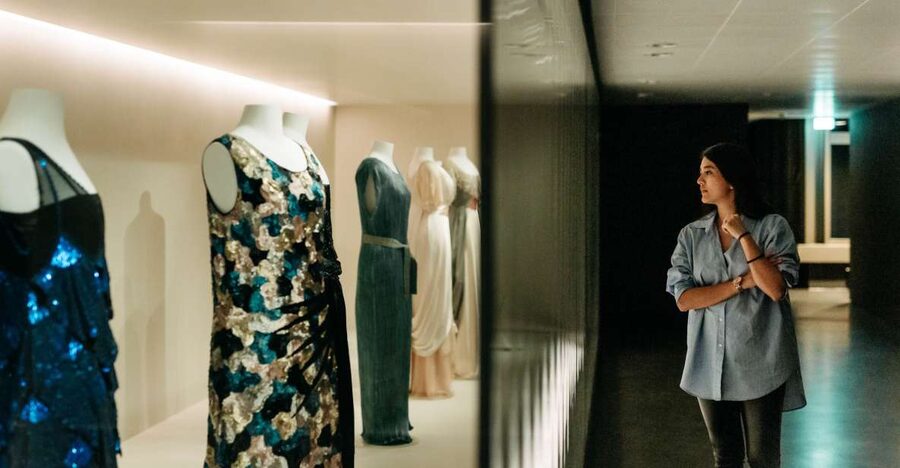
The listed meeting point is the Kunstgewerbemuseum at Matthäikirchplatz, 10785 Berlin. This is the museum’s Kulturforum location, close to Potsdamer Platz and beside Tiergarten.
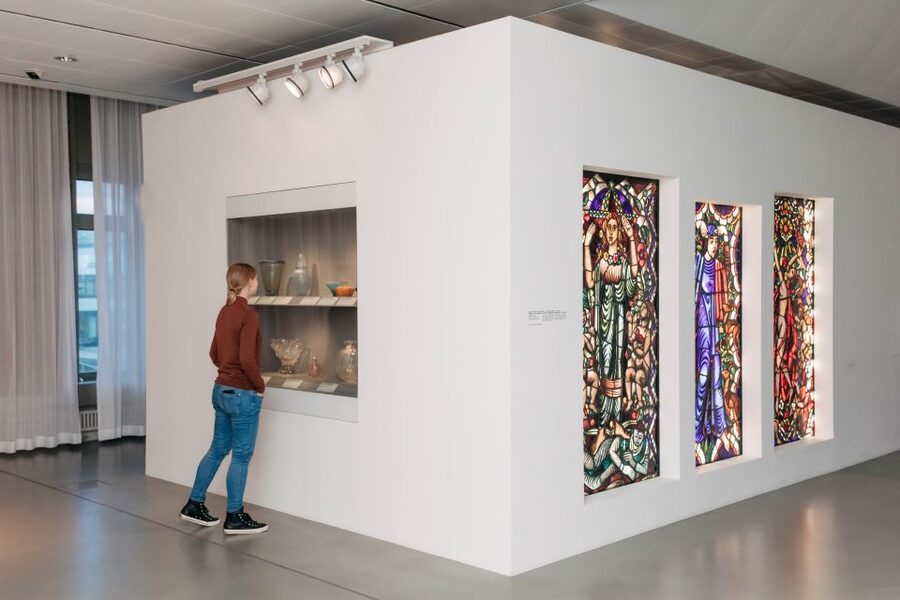
The setting matters. The building was designed as a built landscape, with greenery connected to the park around it. Its open staircase and spacious exhibition rooms give the visit a more open feel than a tightly packed series of galleries.
You enter with a one-day ticket and explore independently. There is no tour guide included, and you do not receive an audio guide with the basic admission price. That keeps the cost down, but it also means you should be ready to read the displays and make your own connections between objects.
The layout gives you room to pause. That is useful here because the objects reward close looking. A quick glance at a golden reliquary tells you very little. Take a moment to notice the surface work, the stones, the small details, and the way the object was built to impress.
Medieval reliquaries and carved wooden pictures
The older collection provides the strongest reason to visit. The museum contains ornate reliquaries made with gold and precious stones, along with other examples of early European craftsmanship.
These are not merely old objects behind glass. They show how religious belief, skilled labor, and expensive materials came together. A reliquary was designed to hold a sacred relic, but it also had to communicate importance. Its decoration, shape, and materials were part of that message.
The carved wooden pictures are another highlight. One recent visitor particularly remembered these works, and it is easy to see why they can hold your attention. Wood has warmth and texture that painted surfaces often lack. Look for the carving itself, not only the scene being shown.
You may also find objects that demonstrate a surprising level of skill from more than 1,500 years ago. That long reach is one of the museum’s pleasures. The collection reminds you that careful design and fine workmanship are not modern inventions.
Glass, porcelain, silver, and furniture
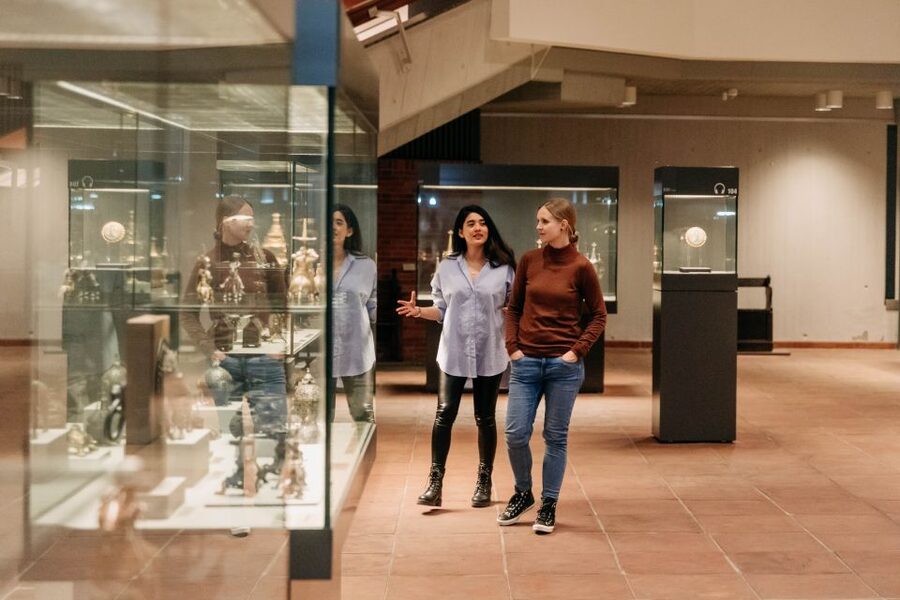
The collection then moves into objects made from glass, porcelain, silver, and other materials. This part works best if you compare one object with another rather than treating each display as an isolated piece.
Glass can look delicate, but the work required to shape and decorate it is considerable. Porcelain and ceramics show how useful vessels became objects of display. Silver and goldsmithing bring you back to the role of craftsmanship in signaling wealth and status.
The furniture section adds a practical note. A piece of furniture must work in a room, but its proportions, materials, and decoration also reveal the taste of its period. You can look at how an object is built, then ask how it might have been used.
The collection is described as modest in size by at least one assessment, but that is not necessarily a problem. A smaller museum can be easier to handle in Berlin, where you may already be filling your day with major sights. You can see a good variety of woodwork, ceramics, metalwork, glassware, furniture, and fashion without feeling trapped in an endless gallery sequence.
A different sort of day out in Berlin:
- Berlin: Reichstag, Dome and Government District Guided Tour
★ 4.7 · 18,288 reviews - Berlin: 1-Hour City Tour by Boat with Guaranteed Seating
★ 4.3 · 16,993 reviews - Berlin: Boat Tour Along the River Spree
★ 4.4 · 11,252 reviews - Discover Berlin Half-Day Walking Tour
★ 5.0 · 9,624 reviews
Fashion and the story told by clothing
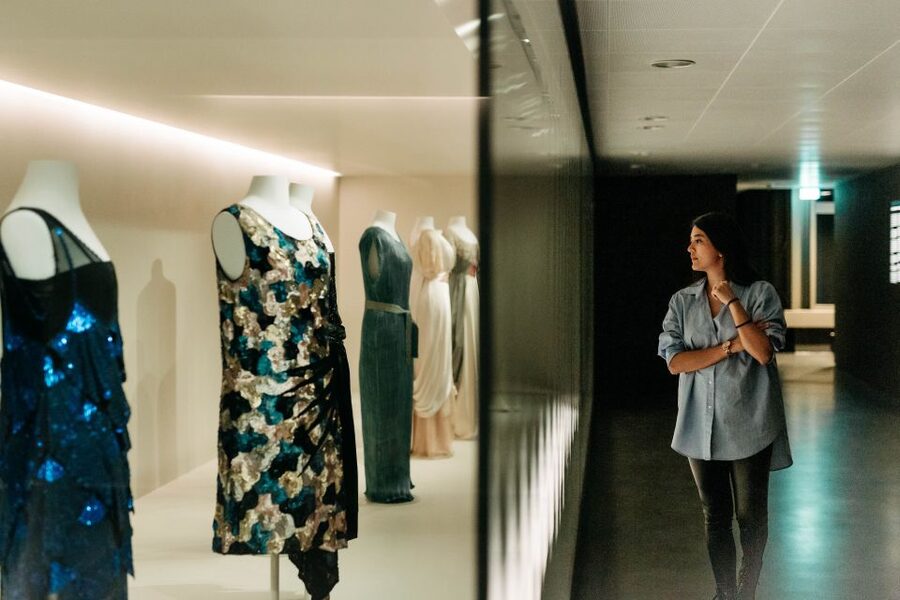
Clothing gives the museum a human scale. A dress is not only a beautiful object. It can show how people wanted to appear, what materials were available, and how much work went into making something wearable.
The fashion displays include period clothing, with garments presented as physical examples rather than only in pictures. This helps you notice fabric, stitching, shape, and decoration in a direct way.
Still, keep your expectations measured. The fashion area may feel smaller than the historical decorative arts collection. If clothing is your main interest, you may finish this section quickly. If you enjoy fashion as one part of a wider design story, it adds useful variety.
The collection is at its best when you connect the dress displays with the furniture, glass, and metalwork. Together, they show how taste operated across a whole interior and not only on the body.
Modern industrial design changes the mood
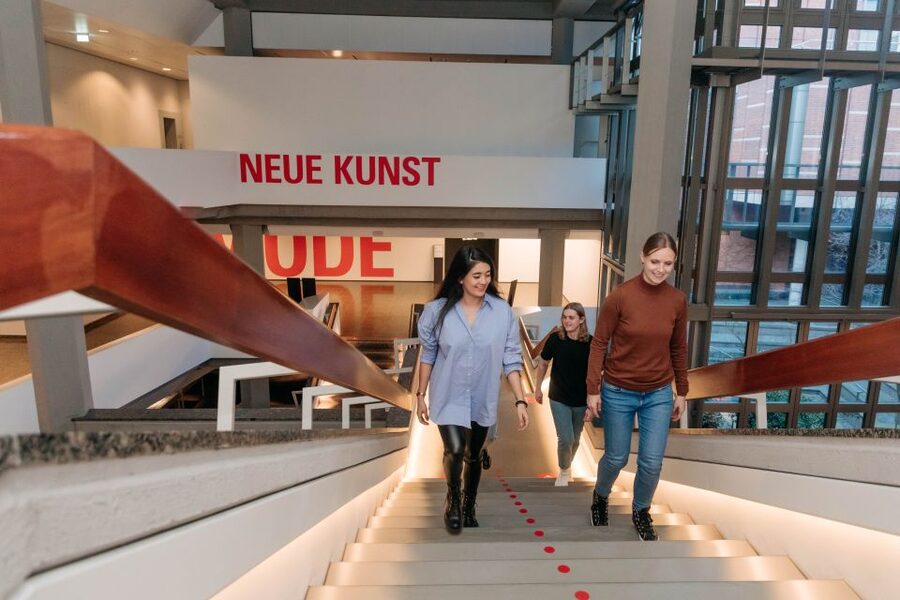
The museum does not stop with medieval and early modern objects. It also includes classics of modern industrial design.
This shift is important because it shows that decorative arts are not limited to luxury objects or historic churches. Industrial design asks similar questions in a different setting: How should an object look? How should it function? Which materials suit it? How can an item made for many people still feel carefully designed?
The change from ornate craftsmanship to industrial design gives the visit a useful rhythm. You see how decorative detail can give way to cleaner forms and modern production. The museum becomes less about old treasures alone and more about the ongoing relationship between design and daily life.
If you are interested in design, this broad time span is probably the collection’s greatest strength. You can trace ideas across periods instead of seeing only one style.
Köpenick Castle and the second collection location
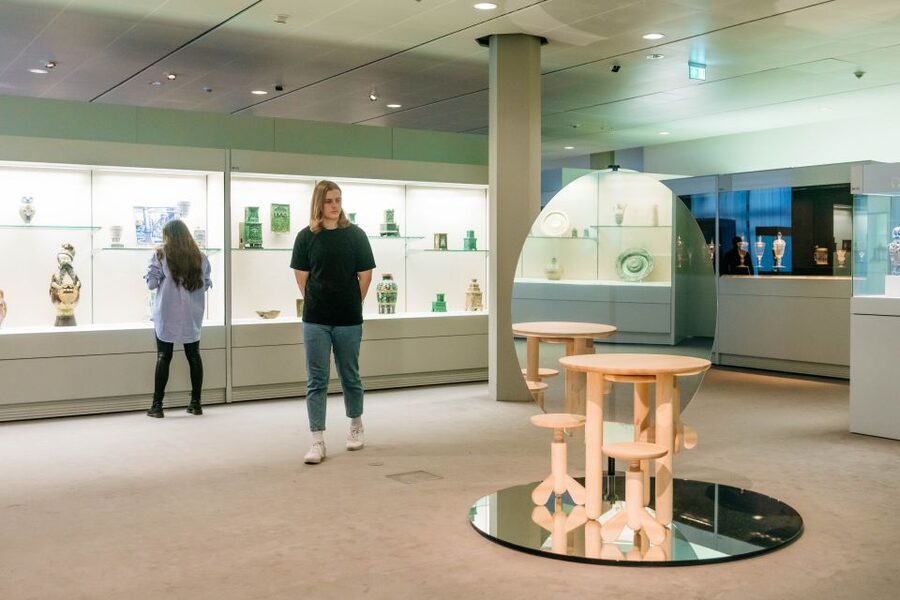
The Kunstgewerbemuseum’s exhibitions can also be seen at Köpenick Castle, set on a peninsula in the Dahme. The castle presentation focuses on masterpieces of the art of space from the 16th to the 18th century.
That setting offers a different kind of museum visit from the Kulturforum. The Kulturforum is central and practical, while Köpenick Castle provides a more picturesque setting for historic interiors and room design.
The information for this ticket lists the Kulturforum museum as the meeting point, so you should check the current availability and admission details before planning a separate trip to Köpenick. Do not assume that a ticket bought for the central location automatically covers every presentation at the castle unless the booking information confirms it.
If you do visit both locations, allow time for the contrast. At Köpenick, the arrangement of rooms and the feel of the historic setting are part of the experience. At the Kulturforum, the spacious galleries and open staircase make the museum feel more like a modern collection of ideas.
How much time should you allow?
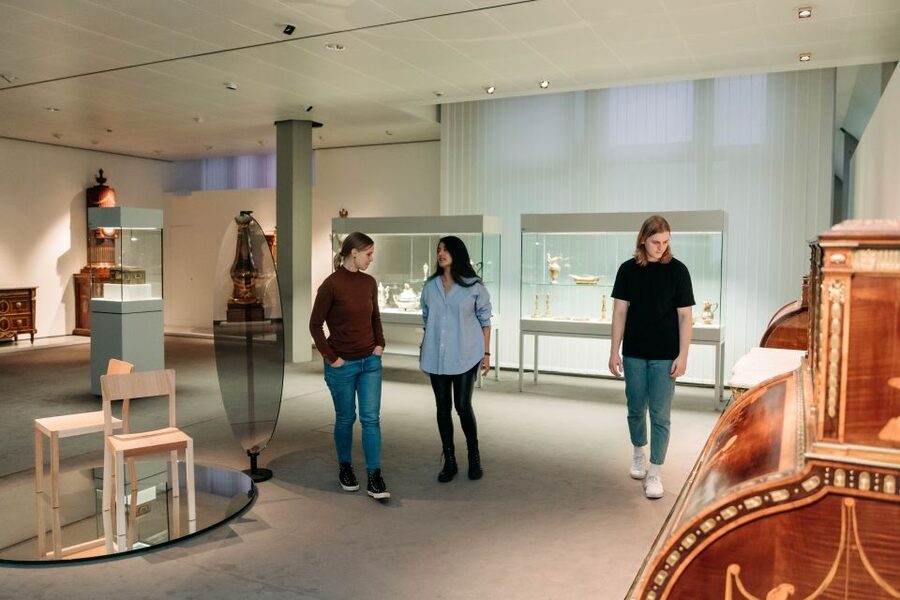
The ticket is valid for one day, and the listed duration is one day rather than a fixed guided time slot. That gives you flexibility.
For a short visit, focus on the older decorative arts, the carved wooden pictures, and the areas that interest you most. One careful hour can give you a clear sense of the collection, especially if you do not stop at every case.
Allow longer if you want to compare periods or spend time with the fashion and modern design sections. The spacious rooms make a slower visit comfortable, but the collection may feel too modest for someone seeking a full day of nonstop displays.
Because no guide is included, your timing is entirely your own. You can move quickly through familiar material and linger over objects that catch your eye. That is useful for repeat museum visitors who prefer to avoid a fixed group route.
The $11 price and what you receive
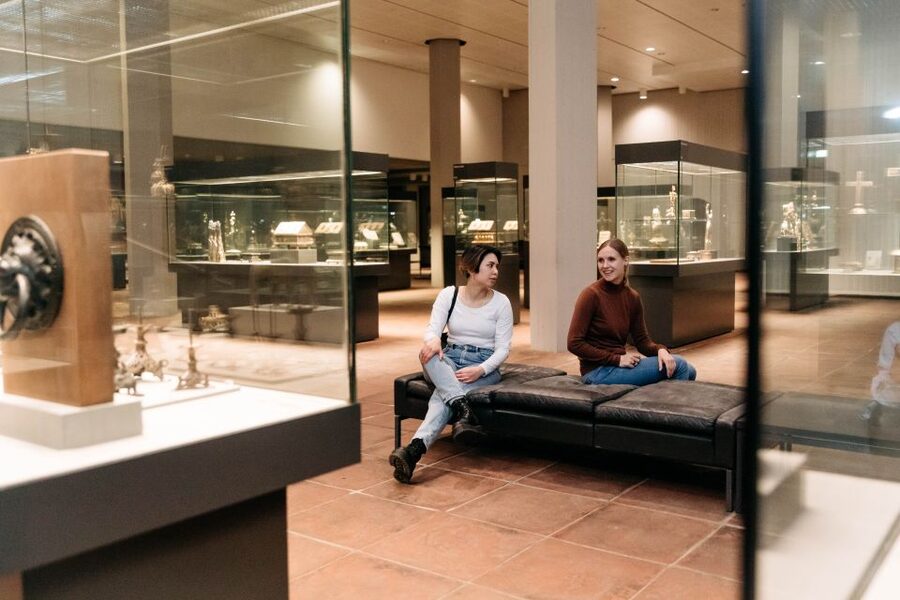
At $11 per person, the ticket is reasonably priced for a central Berlin museum visit. You receive entrance to the Kunstgewerbemuseum, with access to its displays of decorative arts and design.
The value is strongest if you appreciate variety. For one modest admission fee, you can see precious metalwork, religious objects, wood carving, glass, porcelain, furniture, fashion, and modern industrial design.
The price is less compelling if you expect a guided explanation or an audio tour. Neither is included. You are paying for access, not interpretation by a museum professional.
That is not a serious flaw, but it affects how you should plan. Read the labels, take your time, and arrive with a few questions in mind. For example, ask how the object was made, what material gives it value, and whether it was intended for worship, display, or daily use.
Lighting, accessibility, and practical points
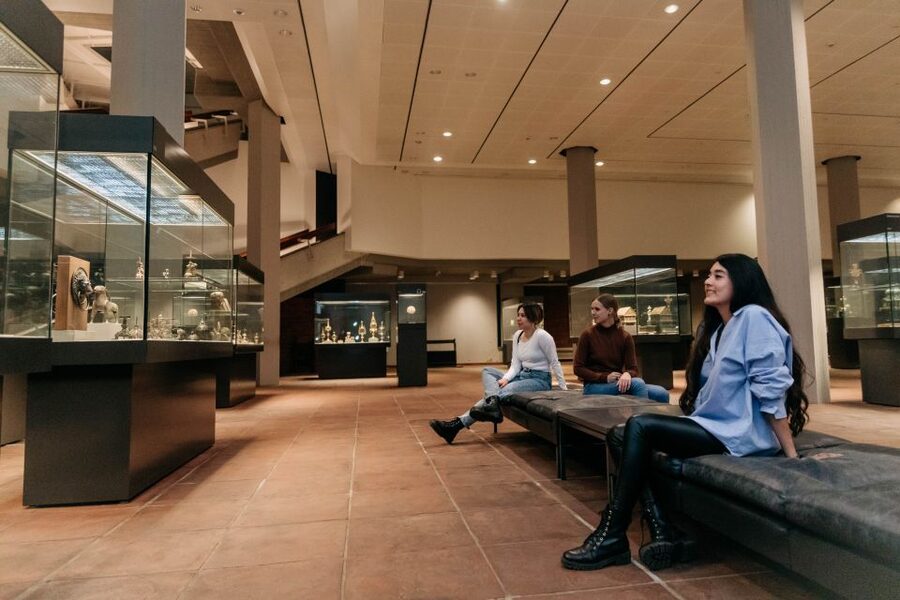
Some areas can be quite dark. This may protect sensitive objects or suit the mood of historic displays, but it can make small details harder to see. If you care about tiny surface work, give yourself time and avoid rushing through dim cases.
The museum is wheelchair accessible, which makes the spacious rooms and open circulation useful for many visitors. A medical or FFP2 mask is recommended but not mandatory.
The activity is non-refundable, so check your date before purchasing. Since the ticket is valid for one day, it works best when you already know you can fit the museum into your Berlin schedule.
The basic ticket does not include an audio guide or tour guide. There is no named guide attached to this experience. You explore at your own pace, which is an advantage for independent museum visitors and a limitation if you want a detailed explanation of every object.
Who should book this museum ticket?
I would recommend it most strongly to you if you enjoy craft, interiors, clothing, or design more than a single school of painting. It is also a good choice if you want an indoor cultural stop near Potsdamer Platz and prefer to avoid a long, formal tour.
Families and mixed-interest groups may find the range helpful. One person can focus on clothing, another on furniture, and another on precious objects. The collection is varied enough to offer several entry points.
You may want to choose another museum if your main goal is a large fashion exhibition, a guided experience, or a huge collection that requires most of a day. The fashion displays are not the largest part of the museum, and the lack of an audio guide means you must supply your own interpretation.
Should you book the Kunstgewerbemuseum?
Book this ticket if $11 sounds like a fair price for a flexible, self-guided look at European craftsmanship and design. The strongest sections are the historic decorative arts, especially the reliquaries, goldwork, carved wooden pictures, ceramics, glass, furniture, and metalwork.
Go with realistic expectations. This is not a massive museum and not a guided tour. Its appeal comes from the range of objects and the chance to look closely at things made for worship, status, beauty, and use.
If you are near Potsdamer Platz, the location makes the decision easy. Set aside time for the Kulturforum, take the collection at your own pace, and let the objects guide your attention.
FAQ
Where is the Kunstgewerbemuseum located?
The listed meeting point is Kunstgewerbemuseum, Matthäikirchplatz, 10785 Berlin. It is at the Kulturforum near Potsdamer Platz.
How much does admission cost?
The ticket costs $11 per person.
How long is the ticket valid?
The ticket is valid for one day.
Is the visit guided?
No. A tour guide is not included, so you explore independently.
Is an audio guide included?
No. The audio guide is not included in the ticket price.
What can I see at the museum?
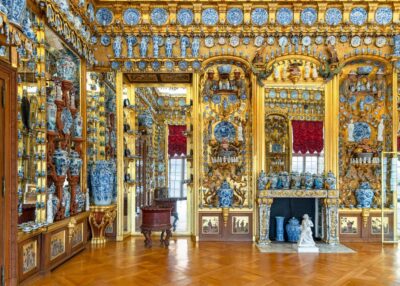
You can see reliquaries, gold and precious stones, glass and porcelain vases, embroidered dresses, furniture, woodwork, ceramics, silver and goldsmithing, fashion, and modern industrial design.
Does the museum have more than one location?
Yes. Kunstgewerbemuseum exhibitions can be seen at the Kulturforum near Potsdamer Platz and at Köpenick Castle.
Is the museum wheelchair accessible?
Yes, the activity is listed as wheelchair accessible.
Are masks required?
No. Wearing a medical or FFP2 mask is recommended but not mandatory.
Can I cancel the ticket for a refund?
No. This activity is non-refundable.
Newest Berlin reviews
- Where It All Began: Berlin’s Queer & Trans History Tour★ 4.9 · 6 reviews
- Understanding Kreuzberg: The roots of local (sub)culture★ 4.9 · 11 reviews
- Berlin: guided canoe | kayaktour★ 4.1 · 7 reviews
- Private Potsdam City Tour in an authentic vintage van★ 5.0 · 14 reviews
- Warnemünde Shore Excursion: Private Sachsenhausen and Berlin Tour★ 5.0 · 12 reviews
- Ultimate E-Bike Tour of Berlin with Beer Garden Stop★ 5.0 · 4 reviews
- In the Forbidden City – Potsdam Walking Tour★ 5.0 · 17 reviews
- Private Walking Tour of Potsdam and Sanssouci★ 5.0 · 24 reviews
Tickets, compared.

Sanssouci Palace and Prussian Palaces Entry Ticket
Read our review →