
Reviewed · SACHSENHAUSEN CONCENTRATION CAMP TOURS
From Berlin: Guided Sachsenhausen Concentration Camp Tour
Sachsenhausen is not a quick photo stop. It is a serious half-day visit to the former concentration camp closest to Berlin, with time to enter key buildings and understand how the camp system changed during the Nazi dictatorship. The 3.5-hour guided walk gives the place structure, while the train ride adds useful historical context before you arrive.
I like two things here: the licensed guide stays with you through the full camp, and the tour reaches important areas such as Station Z, the SS and Gestapo Prison Block, and the pathology building. Guides Paul and Julian have received especially warm praise for clear explanations and a considerate manner. The main drawback is the six-hour commitment, with about 75 minutes going out and an hour returning, plus the ABC transport ticket and your own food.
Key points at a glance
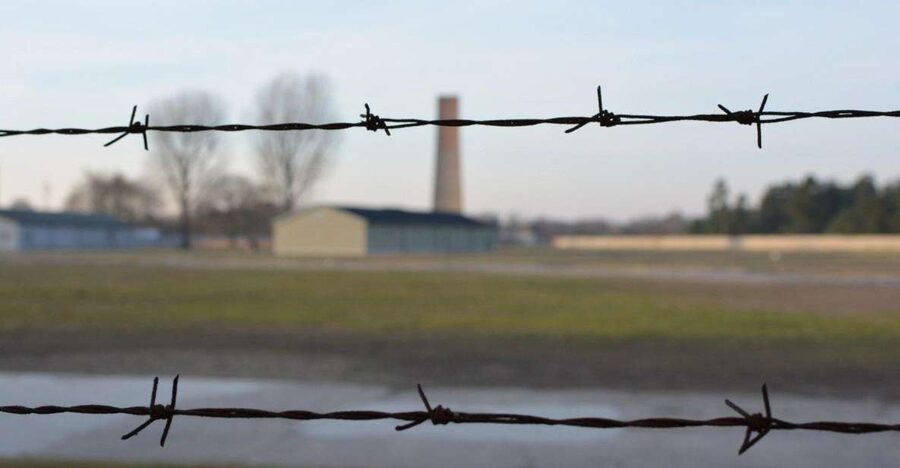
- The camp closest to Berlin: Sachsenhausen was the first purpose-built concentration camp within the Third Reich and became a key point in the wider camp system.
- A full 3.5-hour visit: You have time for the main entrance, barracks, prison block, infirmary, Station Z, kitchen, pathology building, and cellar.
- History begins on the train: Your guide explains the rise of Hitler’s dictatorship and the early use of camps to silence political opponents before you arrive.
- Strong guide-led experience: Paul and Julian are named in the feedback, with Paul praised for calm explanations, careful pacing, and useful Berlin suggestions after the tour.
- Practical transport detail: You meet beside the Brandenburg Gate and need a public transport ticket covering Berlin’s ABC zones.
- Best for mature visitors: The tour is not suitable for children under 12, and comfortable shoes and weather-ready clothing are essential.
Why Sachsenhausen matters near Berlin
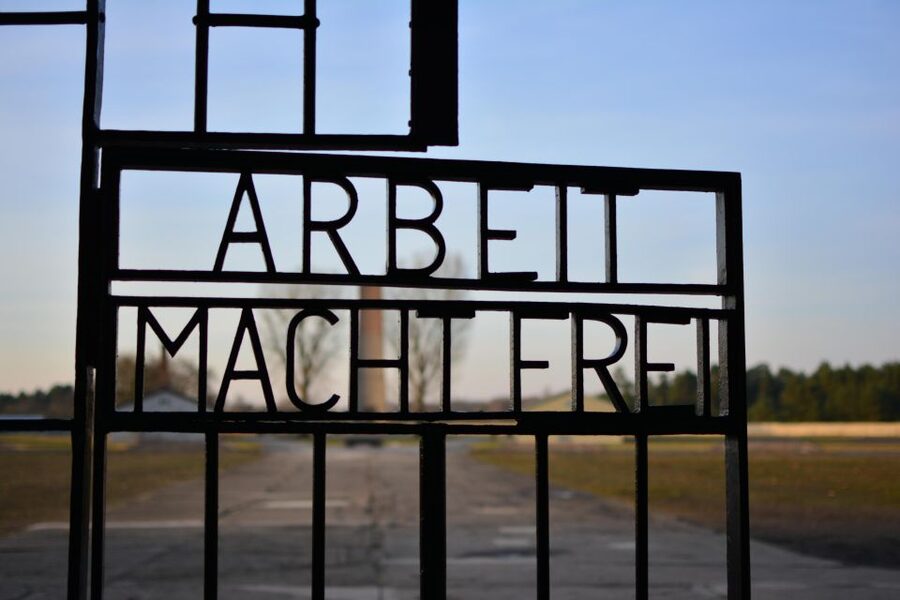
Sachsenhausen was built in 1936, making it the first concentration camp purpose-built by the Nazi regime within the Third Reich. Its location in Oranienburg, north of Berlin, made it especially important to the authorities. It was close enough to the capital to function as a model and administrative center for the concentration camp system.
That role gives the site a different weight from a general World War II museum. You are not only learning about one camp. You are examining how a system of terror was organized, expanded, and changed over time.
Your guide explains this on the train from Berlin. The journey becomes part of the lesson rather than dead time between the city and the memorial. You hear how Hitler achieved dictatorship, how early concentration camps were used against political opponents, and how Sachsenhausen developed into a central point within the camp network.
I find that approach useful because it gives you a framework before you walk through the gate. Without it, the site can feel like a series of empty buildings and broad open spaces. With it, the buildings begin to show their different purposes and the camp’s changing function.
More Sachsenhausen memorial visits from Berlin:
- Berlin: Sachsenhausen Concentration Camp Tour in English
★ 5.0 · 5,711 reviews - Berlin: Sachsenhausen Concentration Camp Memorial Tour
★ 4.7 · 3,716 reviews - Sachsenhausen Concentration Camp Bus Tour in English from Berlin
★ 5.0 · 1,962 reviews
Meeting beside the Brandenburg Gate
The tour begins outside Hopfingerbräu at Ebertstrasse 24, right beside the Brandenburg Gate. This is a handy central meeting point, especially if Sachsenhausen is part of a larger day of sightseeing in Berlin.
You meet your English-speaking guide there before taking public transport north. The exact starting time varies, so you need to check availability when booking. The experience lasts six hours in total, so do not squeeze it between two tightly timed attractions.
The meeting point is easy to connect with central Berlin, but remember one important extra cost. The tour price is $40 per person, yet your ABC zones public transport ticket is not included. You also need to bring your own food and drinks.
That price still offers good value if you want a guided visit. Entrance to the Sachsenhausen Memorial and a licensed guide are included, and the guided portion lasts about three and a half hours. You are paying not just for transport to Oranienburg, but for someone to explain the site’s layout, history, and purpose as you move through it.
The train ride to Oranienburg
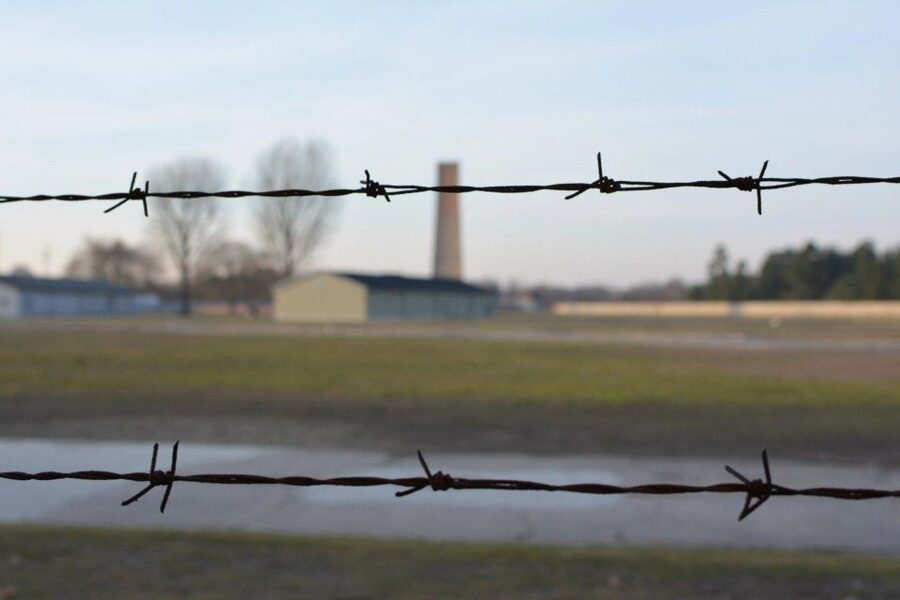
The outward journey takes about 75 minutes. That may sound long, but it gives the guide room to explain the political setting that produced the camp system.
You learn how the Nazi dictatorship took shape and how concentration camps first served as tools to imprison political opponents. The focus then moves toward Sachsenhausen, its closeness to Berlin, and its growing role within the regime’s wider structure.
This is one of the tour’s strongest features. The guide is not waiting until you reach the gate to start speaking. By the time you arrive, you have already heard why Sachsenhausen was built, why its location mattered, and how its role changed during the war.
The journey also means you should plan for a long day on public transport and on foot. Keep your ticket ready and avoid carrying anything you do not need. Large bags and luggage are not allowed on the tour, though assistance dogs are permitted.
Walking through the main entrance
The guided visit at Sachsenhausen lasts about 3.5 hours. It begins with the main camp entrance, Tower A, the familiar point through which prisoners entered the central camp area.
Here, the guide helps you understand the planned structure of the camp rather than simply pointing out buildings. Sachsenhausen was designed as a purpose-built camp, and its arrangement reflected the control the SS wanted over every part of daily life.
You should expect the tone to be sober and factual. This is not a theatrical presentation, and it should not be. The best part of the guiding is the connection between the physical site and the people who were imprisoned there.
The camp’s victim groups changed over time, and your guide explains that shift. Living conditions also worsened as the war continued. Those changes are important because they show that the camp was not fixed in purpose or population. Its role grew more brutal as the Nazi system expanded.
Other Berlin experiences to weigh up
- Berlin: Reichstag, Dome and Government District Guided Tour
★ 4.7 · 18,288 reviews - Berlin: Government District around the Reichstag Guided Tour
★ 4.7 · 8,447 reviews - Berlin: Hidden Backyards Guided Walking Tour
★ 4.8 · 5,360 reviews - Berlin: 1-Hour Boat Tour with Bilingual Live Guide
★ 4.7 · 3,629 reviews
The prison block and infirmary building
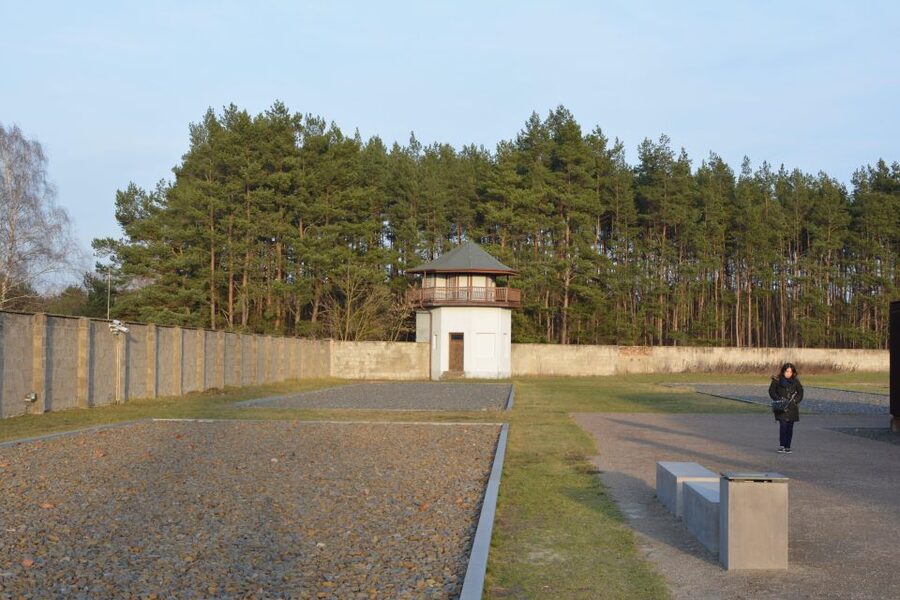
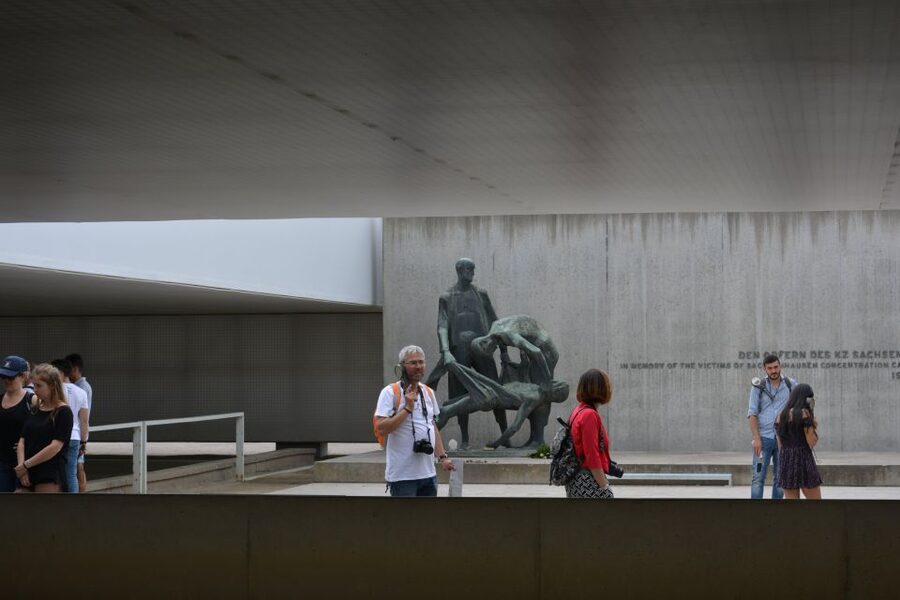
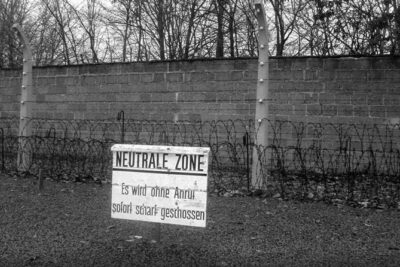
The SS and Gestapo Prison Block is one of the key areas included in the visit. Its presence shows that Sachsenhausen was not only a forced-labor camp. It was also a place of punishment, detention, and political repression.
The guide puts the prison block into the larger story of Nazi terror. You learn about notable events and people linked to the camp, along with the changing groups held there. The building gives the history a more personal scale than the open camp grounds.
The infirmary building adds another layer. Medical spaces in a camp can be easy to misunderstand if you visit without guidance, so this is where careful explanation matters. The tour gives you the chance to see the building while learning how living conditions and the treatment of prisoners deteriorated during the war.
You should not expect every part of the site to be intact. The memorial includes surviving buildings, reconstructed areas, and open spaces. A guide helps you read those gaps and understand that absence is part of what you are seeing.
Station Z and the pathology building
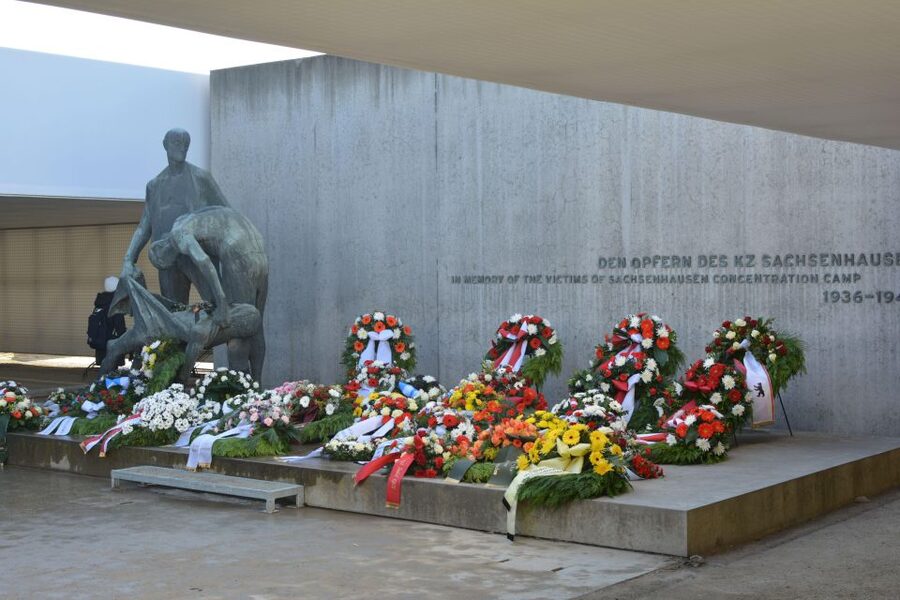
Station Z was the purpose-built execution facility at Sachsenhausen. It is one of the most difficult parts of the tour, and you should be prepared for a quiet, confronting visit rather than a conventional sightseeing stop.
The inclusion of Station Z matters because it shows the planned nature of murder within the camp system. Your guide explains the site’s function and its place in the history of Sachsenhausen. The information is direct, but the subject requires respect and attention.
The pathology building and mortuary offer another view of how the camp dealt with death. Along with the cellar, these areas show the grim administrative and physical side of the camp’s operation.
I would not choose this tour if you want a light afternoon activity. The subject matter is painful, and the tour does not soften it with entertainment. That is also its value. A careful guide can help you face the evidence without turning the visit into spectacle.
Camp kitchen, barracks, and the layout of daily life
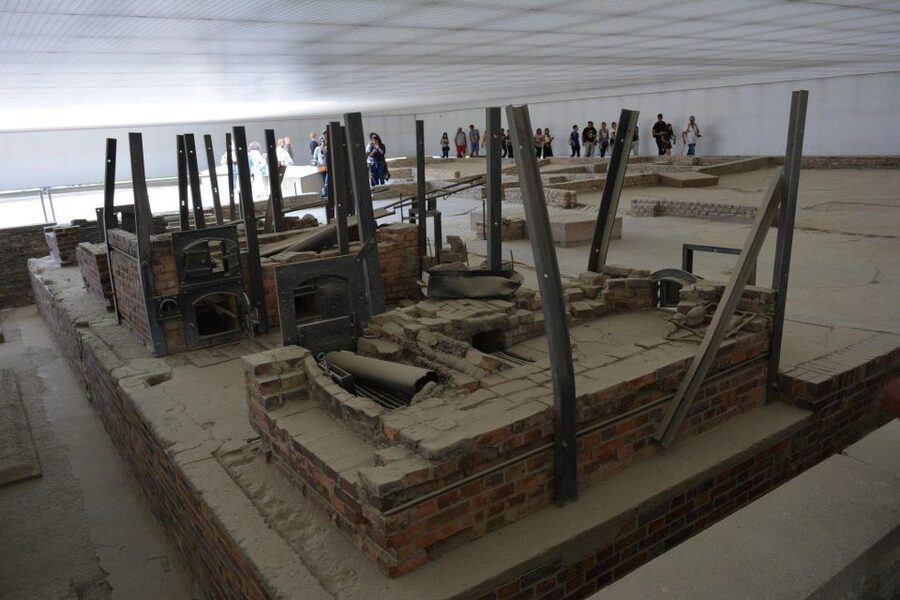
The camp kitchen and barrack buildings are included in the full tour. These spaces help you understand the daily routines imposed on prisoners, from food and shelter to movement and surveillance.
The barracks are particularly useful for building a sense of scale. The site is large, and a first visit can leave you unsure how the different buildings relate to one another. Following a guide through the camp gives the layout a clear sequence.
You also hear how living conditions worsened during the war. The demographic of prisoners changed, and the strain on the camp increased. Those facts turn the barracks from simple structures into evidence of a system under growing pressure and cruelty.
Allow yourself time to walk slowly. Comfortable shoes are essential, and weather-appropriate clothing matters because much of the visit takes place outdoors. Rain, cold, or heat can affect your concentration during a long memorial tour.
The guide can make or break the day
This experience depends heavily on the person leading it. The guide needs to handle dates, institutions, and political context while also respecting the human cost of the site.
Paul is specifically praised for being prompt, clear, calm, and willing to answer questions. One particularly useful detail is that he offered tailored ideas for seeing Berlin after the tour, matching suggestions to the group’s interests rather than giving only a standard list. Another account says he returned the rest of the group to central Berlin while allowing one person to remain in Oranienburg.
Julian is also named positively for his explanations during the tour. You may not be assigned either guide, so treat these names as helpful examples rather than a guarantee. The wider point is that the provider uses live English-speaking guides, and the guide’s ability to pace the material will shape your day.
You can ask questions during the train ride and at the memorial. On a subject this serious, a guide who can answer plainly and keep the group focused is worth paying for.
The return journey and the six-hour commitment
After the memorial visit, you take public transport back to the original meeting point. The stated return journey takes about an hour, bringing the total experience to around six hours.
That makes this a substantial half-day outing, not a short excursion. I would schedule it on a day with little else planned. You may feel mentally tired afterward, especially because the material is intense and the walking takes time.
There is no food or drink included, so bring something suitable if you need it. Do not bring large luggage or large bags, since those are not allowed. The safest plan is to travel light with water, weather protection, and comfortable footwear.
The long return also gives you a chance to sit quietly or continue discussing what you have seen. The journey is part of the rhythm of the day, and it helps mark the shift between the memorial and central Berlin.
Is $40 a fair price?
At $40 per person, this is a reasonable price for a six-hour guided outing, especially since the memorial entrance and full guided tour are included. The cost is less attractive if you already know Sachsenhausen well or prefer to explore memorial sites independently.
You should add the ABC public transport fare when planning your budget. Food and drinks are also extra, but those are small costs compared with the time and expertise built into the visit.
The real value comes from interpretation. Sachsenhausen is not a simple attraction where you can glance at a few displays and move on. Its importance lies in its place within the Nazi camp system, the changing groups imprisoned there, and the worsening conditions during the war.
If you want a structured introduction and have only one day available for the memorial, $40 is easy to justify. If you need a flexible schedule or dislike long guided visits, an independent visit may suit you better.
Who should book this Sachsenhausen tour?
This tour suits adults and older teenagers who want a serious historical visit outside Berlin. It is not suitable for children under 12, and the subject matter may be too difficult for some younger visitors even beyond that age.
I would recommend it to you if you want:
- A full visit rather than a brief stop
- Historical background during the journey
- An English-speaking licensed guide
- Access to key buildings and the main camp areas
- Help understanding Sachsenhausen’s place in the wider camp system
- A central Berlin meeting point beside the Brandenburg Gate
I would think twice if you have limited mobility, although the activity is listed as wheelchair accessible, or if you are carrying luggage. You also need to be comfortable with several hours of transport, walking, and emotionally difficult material.
Should you book it?
Book this tour if you want Sachsenhausen explained with care rather than visited as a silent collection of buildings. The train journey, full camp entrance, and 3.5-hour guided walk give you a clear sense of why this site mattered and how its role changed.
The main tradeoff is time. Six hours is a large part of a Berlin day, and the ABC transport ticket is extra. Still, for $40, the combination of entrance, transport guidance, and a live English-speaking guide offers solid value.
I would choose it for a first visit, especially if Paul or another strong guide is leading the group. Arrive ready for a sober experience, wear good shoes, pack lightly, and leave room afterward to think about what you have seen.
FAQ
How long does the Sachsenhausen tour take?
The experience lasts six hours in total. The outward train journey takes about 75 minutes, the guided memorial visit lasts about 3.5 hours, and the return journey takes about one hour.
Where does the tour meet in Berlin?
You meet outside Hopfingerbräu at Ebertstrasse 24, 10117 Berlin, right beside the Brandenburg Gate.
What language is the tour in?
The tour is conducted in English with a live guide.
Is the Sachsenhausen entrance included?
Yes. Entrance to the Sachsenhausen Concentration Camp Memorial and the full camp tour are included.
Do I need a public transport ticket?
Yes. You need a public transport ticket covering the ABC zones, and this is not included in the tour price.
What buildings can I visit?
The tour includes the SS and Gestapo Prison Block, infirmary building, Station Z, camp kitchen, pathology building and mortuary, cellar, barrack buildings, and Tower A at the main camp entrance.
Are food and drinks included?
No. You need to arrange your own food and drinks.
Can I bring luggage or a pet?
Large bags and luggage are not allowed. Pets are not permitted, although assistance dogs are allowed.
Is the tour suitable for children?
The activity is not suitable for children under 12 years old.
Can I cancel the booking?
You can cancel up to 24 hours in advance for a full refund. You can also reserve now and pay later.
Newest Berlin reviews
- Where It All Began: Berlin’s Queer & Trans History Tour★ 4.9 · 6 reviews
- Understanding Kreuzberg: The roots of local (sub)culture★ 4.9 · 11 reviews
- Berlin: guided canoe | kayaktour★ 4.1 · 7 reviews
- Private Potsdam City Tour in an authentic vintage van★ 5.0 · 14 reviews
- Warnemünde Shore Excursion: Private Sachsenhausen and Berlin Tour★ 5.0 · 12 reviews
- Ultimate E-Bike Tour of Berlin with Beer Garden Stop★ 5.0 · 4 reviews
- In the Forbidden City – Potsdam Walking Tour★ 5.0 · 17 reviews
- Private Walking Tour of Potsdam and Sanssouci★ 5.0 · 24 reviews
Sachsenhausen Concentration Camp Tours, compared.
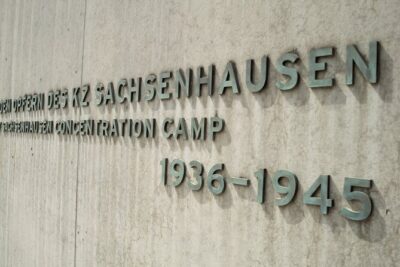
Sachsenhausen Concentration Camp Tour in English
Read our review →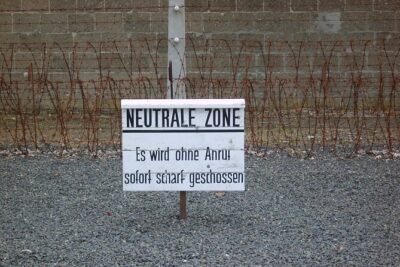
Sachsenhausen Concentration Camp Memorial Tour
Read our review →
Sachsenhausen Concentration Camp Bus Tour in English from Berlin
Read our review →Sachsenhausen Concentration Camp Tour in English
Read our review →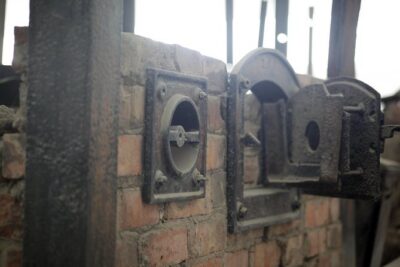
Sachsenhausen Concentration Camp Memorial Tour (Max. 15 Guests)
Read our review →
Sachsenhausen Concentration Camp and Potsdam Tour
Read our review →
Visita en español al campo de concentración Sachsenhausen
Read our review →Browse the lists this tour appears in