
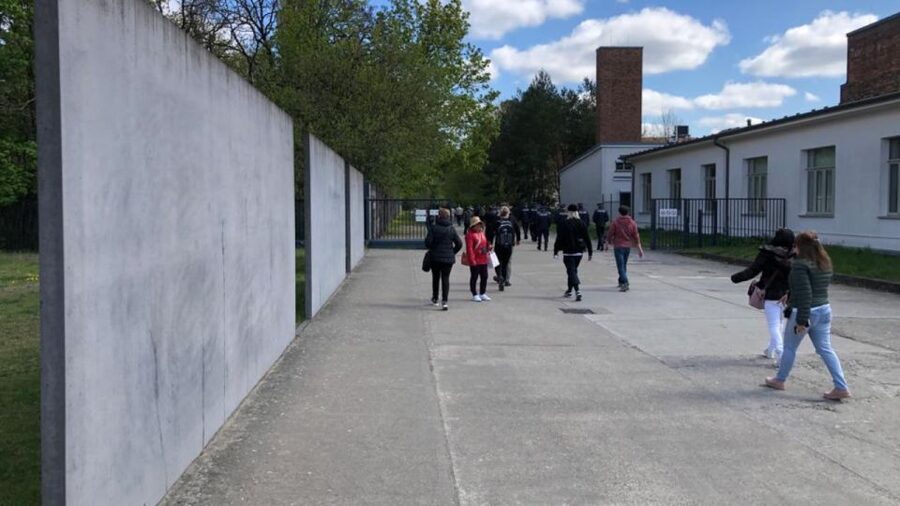
Reviewed · SACHSENHAUSEN CONCENTRATION CAMP TOURS
Berlin: Sachsenhausen Concentration Camp Guided Tour
Sachsenhausen is not a casual sightseeing stop. It is a place where the Nazi camp system becomes painfully concrete: the roll-call yard, prisoner barracks, execution site, infirmary, and the words Arbeit Macht Frei over the gate. The tour also explains how this camp helped shape the wider Nazi network.
I like the small group of up to seven, which gives you room to ask hard questions without losing the guide in a crowd. I also like the full five-hour format, including transport from Alexanderplatz and a contribution toward preserving the memorial. The main drawback is time: four hours at the site can feel short if you want to study every exhibit in detail, especially inside the camp buildings.
Key points to know before booking
- Sachsenhausen was designed as a model camp: Your journey begins with how Nazi officials planned and managed the concentration camp system.
- Four hours at the memorial: The visit covers daily prisoner life, the Jewish sector, the cell block, Station Z, the infirmary, and the Soviet special camp.
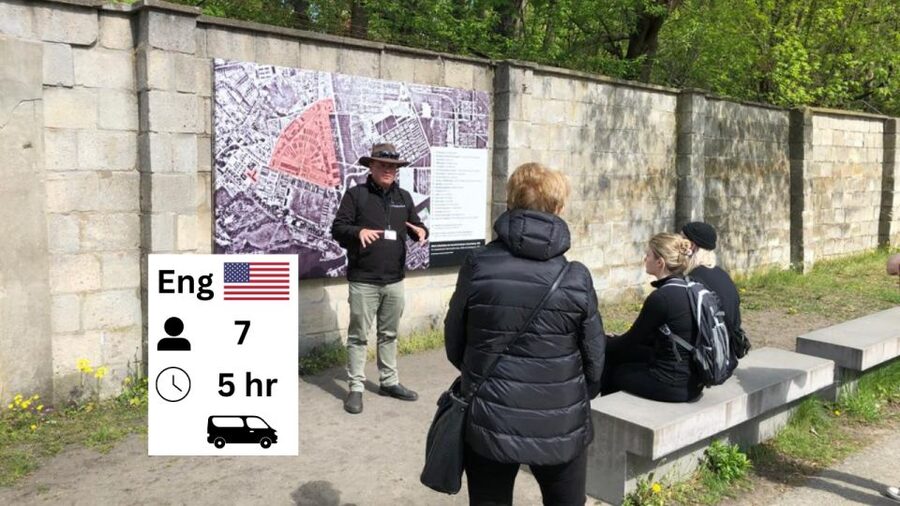
- Small English-speaking group: With no more than seven people, you can ask questions and hear the guide clearly.
- Guides bring different strengths: Matt, Tom, and Jorg have each led highly praised tours, with strong emphasis on World War II history and respectful presentation.
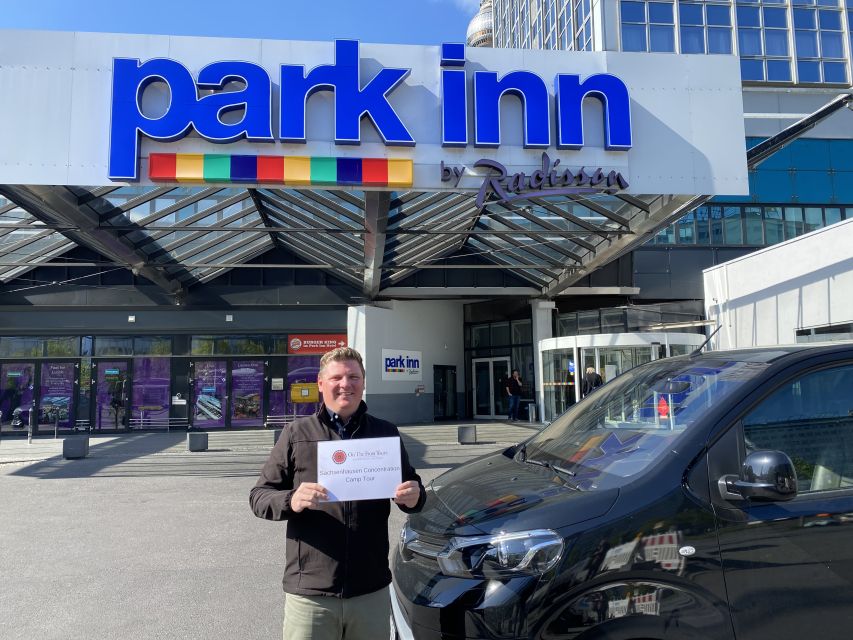
- Transport is included: Meet at the Park Inn by Radisson Berlin Alexanderplatz for a 30-minute ride each way.
- This is a rain-or-shine visit: Wear comfortable shoes and bring snacks, since much of the experience involves walking outdoors.
Why Sachsenhausen matters beyond Berlin
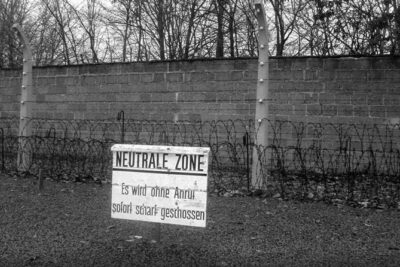
Sachsenhausen was established near Berlin and was used by the Nazi regime as a model for the concentration camp system. That does not make it representative in every detail, but it does make the site especially useful for understanding how the system was organized, controlled, and repeated elsewhere.
Your guide begins explaining this before you reach the memorial. During the 30-minute drive from Alexanderplatz, you hear about the Nazi concentration camp structure and Sachsenhausen’s role in its development. This is a good use of travel time. Instead of arriving with no context, you begin to understand the camp as part of a wider administrative machine.
That background matters because Sachsenhausen was not simply a prison surrounded by barbed wire. It was managed through offices, orders, guards, routines, punishments, forced labor, and a system designed to strip prisoners of control over nearly every part of daily life. The tour looks at both the people trapped inside that system and the officials who built and operated it.
I appreciate that the experience includes the mindset and motivations of both guards and prisoners. That does not excuse the perpetrators. It helps you see how organized cruelty worked in practice, rather than treating the camp as a collection of isolated atrocities.
More Sachsenhausen memorial visits from Berlin:
- Berlin: Sachsenhausen Concentration Camp Tour in English
★ 5.0 · 5,711 reviews - Berlin: Sachsenhausen Concentration Camp Memorial Tour
★ 4.7 · 3,716 reviews - Sachsenhausen Concentration Camp Bus Tour in English from Berlin
★ 5.0 · 1,962 reviews
Meeting at Alexanderplatz and reaching the memorial
The tour starts at the main entrance of the Park Inn by Radisson Berlin Alexanderplatz, specifically at the taxi pickup and drop-off point. This is a practical central location, particularly if you are staying near Alexanderplatz or using the square as your Berlin base.
Transport takes about 30 minutes in each direction. Pickup and return are included, along with a bottle of water and an English-speaking guide. The vehicle is not a place for alcohol, and the tour runs in all weather, so prepare for rain, cold, or sun.
The group is limited to seven people. That small size is one of the strongest reasons to choose this format instead of simply visiting on your own or joining a large coach group. At a site this serious, a personal explanation can help you connect dates and places without turning the visit into a lecture delivered over a crowd.
You should wear comfortable shoes. Bring a snack, too. Four hours at the memorial is a long stretch, and the listed break at the camp kitchen is useful but should not be treated as a full meal stop.
Entering through Tower A
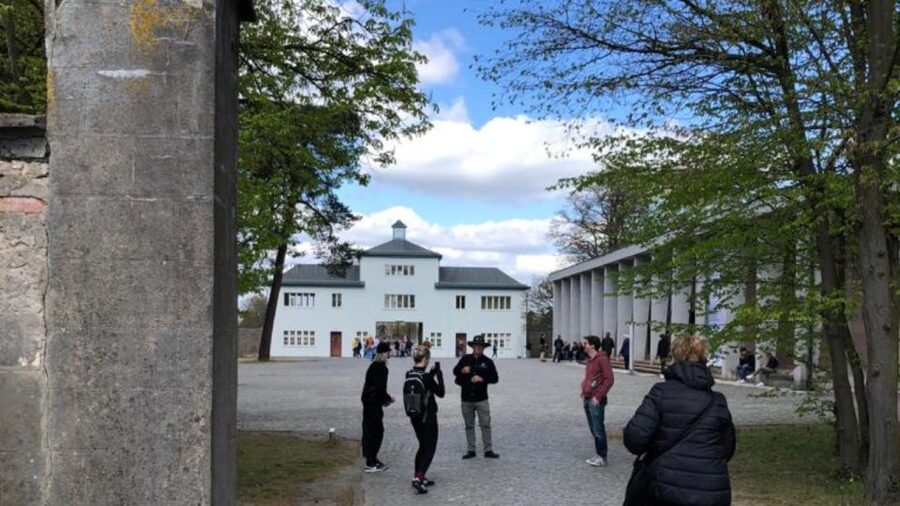
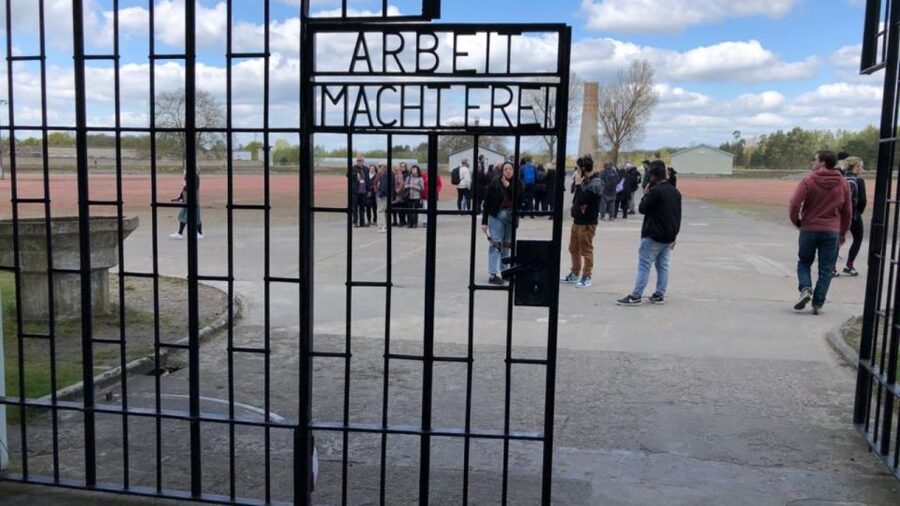
The guided visit begins at the main entrance, passing through Tower A beneath the infamous phrase Arbeit Macht Frei. The words are part of the physical experience, not just a line in a history book. They were used as a cruel promise that labor could somehow bring freedom, while the camp system was built around imprisonment, exploitation, and death.
Your guide uses the entrance to explain the camp’s layout and control system. From there, the tour turns to the everyday routine forced on prisoners, including morning roll call. The point is not simply to name the routine, but to show how repeated procedures could become tools of exhaustion and control.
You also learn about the shoe-testing track. Prisoners were forced to walk long distances while testing footwear for the German military industry. It is an easy detail to overlook on a map, yet it shows how ordinary objects and commercial needs were linked to prisoner suffering.
This part of the visit can feel especially stark because the space is open and easy to read. You are not just looking at an isolated building. You are following the routes that prisoners had to take under orders, often in conditions intended to wear them down.
The Jewish sector and prisoner barracks
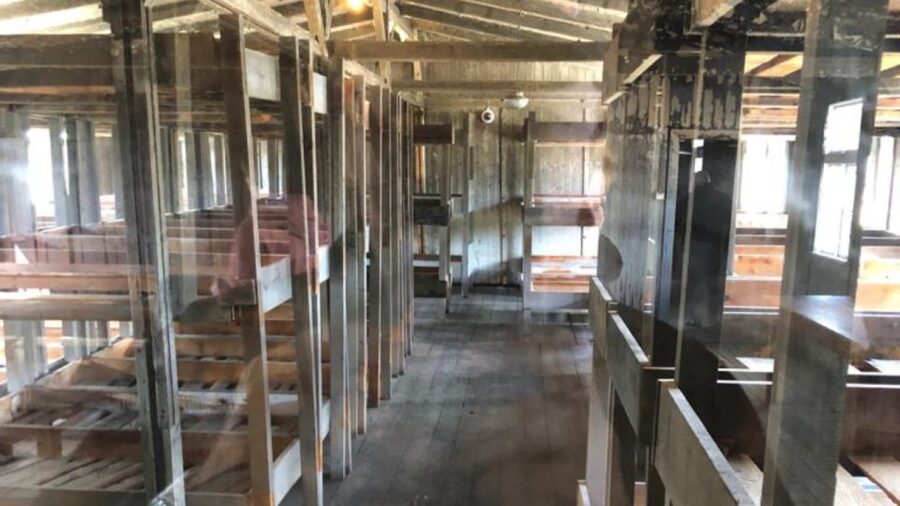
The tour continues into the Jewish sector, where you can see the cramped barracks and learn about the conditions prisoners faced. The word overcrowded is important here. The buildings help you grasp the lack of privacy, space, and basic comfort that shaped daily life.
The barracks also make the camp’s scale more understandable. It is one thing to hear about mass imprisonment. It is another to stand inside a building designed to hold people under harsh and degrading conditions, while hearing how routines, food, work, punishment, and fear affected them.
Your guide discusses the lives of ordinary prisoners rather than reducing the history to famous names alone. That focus is valuable. It keeps attention on the many people whose stories were not preserved in the same way as those of prominent prisoners.
The Jewish sector is also one of the places where the tour’s respectful tone matters most. This is not a theatrical attraction. The best guides, including the praised guides Matt, Tom, and Jorg, are described as combining factual precision with care when presenting the subject.
Other Berlin experiences to weigh up
- Berlin: Reichstag, Dome and Government District Guided Tour
★ 4.7 · 18,288 reviews - Berlin: Government District around the Reichstag Guided Tour
★ 4.7 · 8,447 reviews - Berlin: Hidden Backyards Guided Walking Tour
★ 4.8 · 5,360 reviews - Berlin: 1-Hour Boat Tour with Bilingual Live Guide
★ 4.7 · 3,629 reviews
The cell block and special prisoners
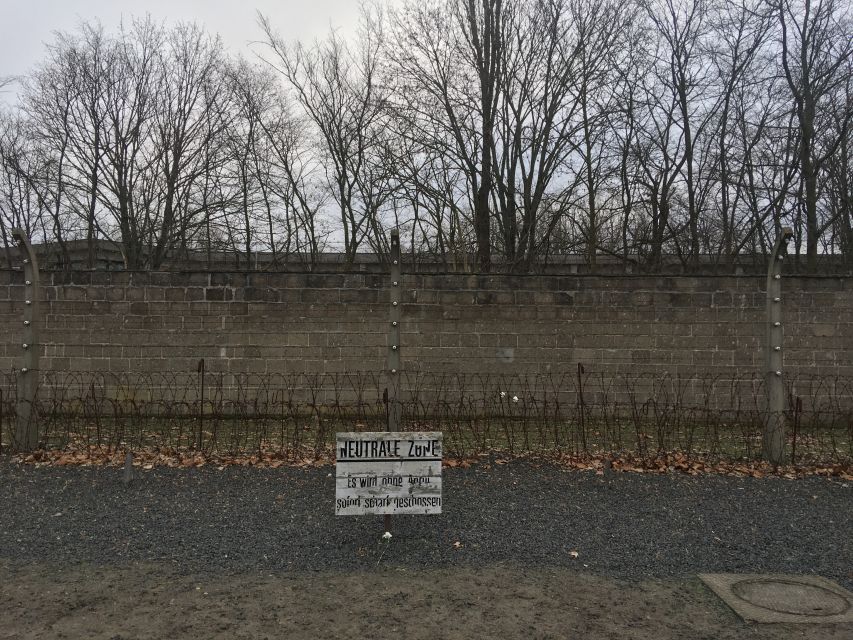
Next comes the camp cell block, a place used for special prisoners and British prisoners of war. It was also where selected prisoners were subjected to harsh mistreatment and isolation.
The tour includes the story of Stalin’s son, who was held there, but the visit does not treat one famous prisoner as more important than the many others. That detail offers a way into the camp’s broader system of special imprisonment, where certain people were held apart because of their political status, military role, or perceived value to the Nazi regime.
This stop is a useful reminder that Sachsenhausen held different categories of prisoners. Their experiences were not identical, and the camp administration used classification as another means of control. The cell block’s secrecy and purpose can be difficult to process, particularly after walking through the more open camp areas.
A small group helps here. You can ask for clarification about terms, prisoner categories, or the difference between the main camp and the special block. The guide can respond to the group’s questions instead of moving everyone along at a fixed pace.
A short break at the camp kitchen
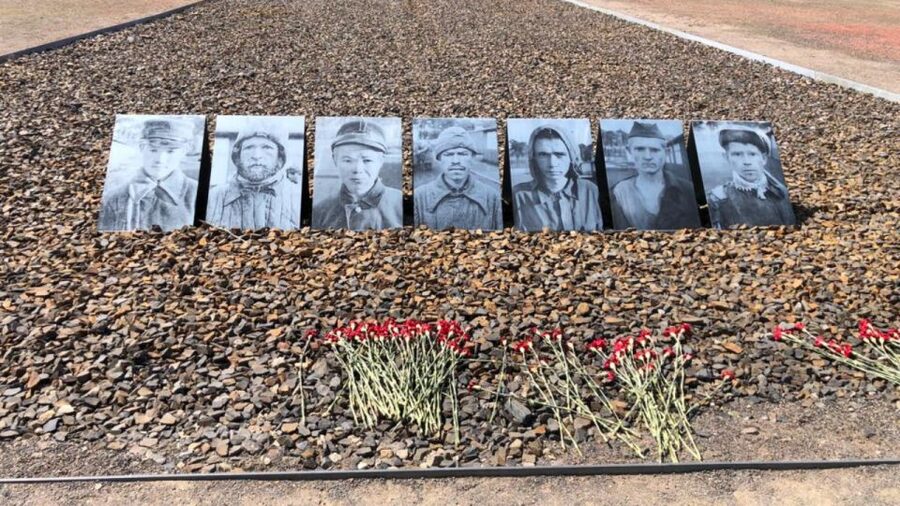
The camp kitchen provides a brief pause. You can use the restrooms, have the included water, eat a snack, and look at an exhibition of camp objects. Prisoner drawings remain visible on the walls, giving the building a human presence that statistics cannot provide.
This is also the point where the practical limits of the tour become clear. One five-hour program cannot give every display the attention it deserves. If you are the kind of person who reads every panel or studies each object, you may want more time inside the exhibits.
That is not a flaw unique to this tour. Sachsenhausen covers a serious amount of ground, and the tour tries to balance explanation, walking, and site coverage. Still, if museum time is your priority, this format may leave you wishing for an extra hour or two.
Station Z and the machinery of murder
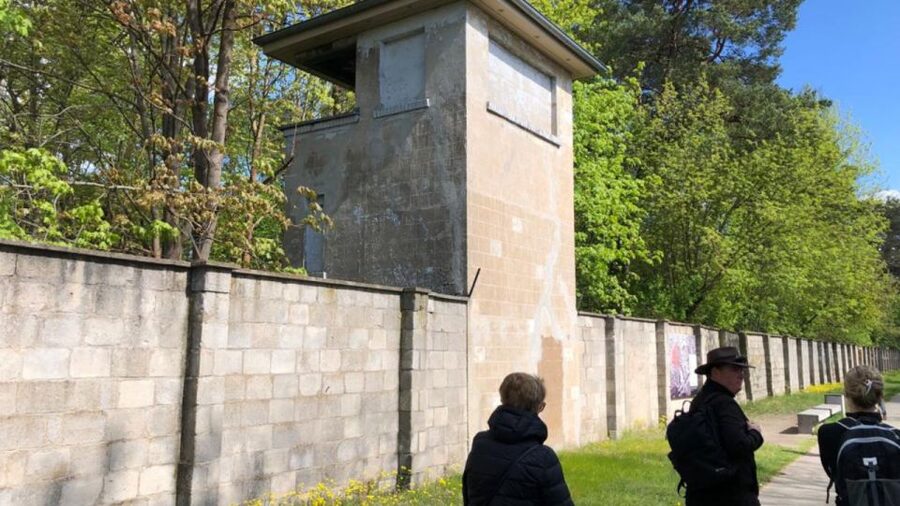
The tour then moves to Station Z, the execution site, gas chamber, and crematorium area. This is one of the hardest parts of the visit. Here, the discussion turns directly to the Final Solution and the systematic murder of prisoners.
The name Station Z is chilling partly because it reflects the camp’s numbered logic. Prisoners entered the system through administrative categories and routines, while death was organized through an equally deliberate process. The site shows how Nazi violence was not only spontaneous brutality. It was planned, recorded, and carried out through institutions.
You should expect this section to be emotionally heavy. A guide can provide context and answer questions, but no explanation removes the weight of standing at a place connected to mass murder. The respectful approach reported for Matt, Tom, and Jorg is especially important here. A good presentation gives you facts without turning suffering into spectacle.
The visit does not stop at broad statements about evil. It examines how the camp functioned and how people were treated. That makes the experience harder, but also more useful. You leave with a clearer sense of how persecution became imprisonment, how imprisonment became forced labor and abuse, and how the system enabled killing.
The infirmary and medical abuse
Before leaving, the group passes through the camp infirmary. The building is connected to medical experiments and other forms of mistreatment of prisoners.
This stop widens the story beyond the main killing sites. A concentration camp harmed prisoners through hunger, forced labor, violence, exposure, disease, fear, and medical abuse. The infirmary shows that medical language could be twisted into another instrument of control.
The tour’s attention to these less familiar parts of camp life is one of its strengths. Many people arrive knowing about the gate and crematorium, but fewer understand how many systems operated around them. The infirmary helps connect the camp’s physical spaces to the wider abuse prisoners endured.
The Soviet special camp after 1945
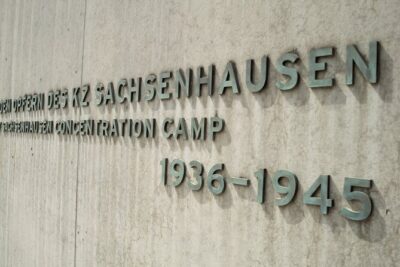
Sachsenhausen’s story did not end when Nazi rule ended. After the war, the Soviet Union used the site as Special Camp No. 7. The camp held about 60,000 people, including German prisoners of war, convicted war criminals, and political prisoners.
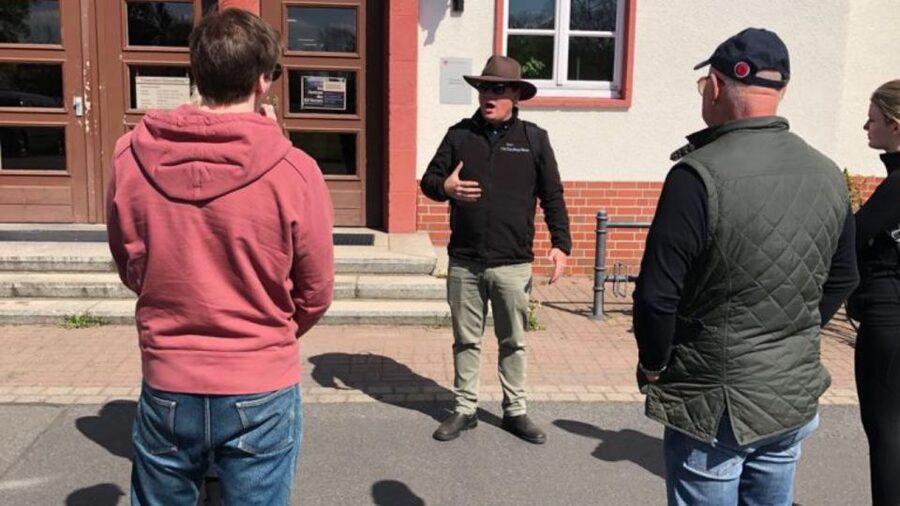
The guide discusses the continued mistreatment of prisoners, later conservation work, and the effect of this difficult history on modern Germany. This section is important because it prevents the site from being presented as if its story has only one chapter.
The Soviet use of Sachsenhausen can be confusing if you do not know the chronology. The tour places it after the Nazi camp period, making clear that the later history does not erase or equal the Nazi crimes. It adds another layer that Germany has had to research, remember, and explain.
I find this postwar section particularly valuable for visitors who want more than a standard World War II overview. It shows why memorial sites must deal with changing political systems, competing memories, and the question of how to preserve places linked to more than one period of imprisonment.
How much value do you get for $115?
At $115 per person, this is not the cheapest way to visit Sachsenhausen. You can save money by making your own way to the memorial, but then you must handle transport, orientation, and historical interpretation yourself.
The price makes more sense if you value the guide. You receive pickup and drop-off from central Berlin, a five-hour schedule, a small group, a bottle of water, and a contribution toward the memorial’s preservation. You also avoid the uncertainty of arriving without knowing what you are looking at or which parts of the site deserve your attention.
The small group is the strongest value feature. With up to seven people, you have a real chance to ask questions, and the guide can adjust the explanation to the group. Several guides associated with this experience, including Matt, Tom, and Jorg, have been praised for clear, sensitive presentations and strong World War II knowledge.
The tradeoff is depth versus convenience. You cover a lot in five hours, but you may not have long stretches to examine every exhibition. If you want a quiet, self-paced museum visit, independent entry may suit you better. If you want structure and historical explanation, the price is easier to justify.
The activity also allows free cancellation up to 24 hours before departure and offers reserve-now, pay-later booking. The site is wheelchair accessible, and you can check available starting times when booking.
Who should book this Sachsenhausen tour?
This tour suits you if you are staying in Berlin and want a guided, historically serious visit without arranging regional transport yourself. It is also a good choice if you prefer asking questions as you go rather than reading your way through a memorial alone.
You should be ready for several hours of walking, difficult subject matter, and outdoor exposure. Comfortable shoes are essential, and a snack is sensible. Since the tour runs rain or shine, check the forecast and dress for the day.
The experience works especially well for adults and older students interested in World War II, the Holocaust, Nazi administration, prisoner life, and postwar Germany. It is not designed as light sightseeing, and you should not book it expecting entertainment or a quick photo stop.
Should you book it?
Book this tour if you want context, transport, and a small group more than the lowest possible price. The guide-led format connects the camp’s physical spaces to the daily lives of prisoners and to the larger Nazi system, while the Soviet special camp section adds useful postwar context.
Think twice if you want to spend long, unhurried periods inside every exhibition. The four-hour site visit covers a lot, but one guide-led route cannot provide unlimited reading time.
For most people who want a serious first visit from Berlin, this is a strong option. The subject is painful, but the tour gives you the setting, facts, and time to approach it with respect.
FAQ
How long does the Sachsenhausen guided tour last?
The full experience lasts five hours, including about 30 minutes of transport each way and approximately four hours at the Sachsenhausen Memorial.
Where does the tour begin?
It begins at the main entrance of the Park Inn by Radisson Berlin Alexanderplatz, at the taxi pickup and drop-off point.
Is transport from Berlin included?
Yes. Pickup and drop-off from the central Alexanderplatz meeting point are included, with about 30 minutes of travel each way.
What language is the tour conducted in?
The live guided tour is conducted in English.
How many people are in the group?
The tour is limited to seven participants.
What does the tour cover at Sachsenhausen?
It covers the camp’s history, prisoner routines, morning roll call, the shoe-testing track, the Jewish sector, barracks, the cell block, camp kitchen, Station Z, the infirmary, and the Soviet postwar special camp.
Is the memorial wheelchair accessible?
Yes, the activity is listed as wheelchair accessible.
What should I bring?
Wear comfortable shoes and bring snacks. The tour takes place rain or shine, so suitable weather clothing is also practical.
Can I cancel the booking?
Yes. You can cancel up to 24 hours in advance for a full refund. Reserve-now, pay-later booking is also available.
Newest Berlin reviews
- Where It All Began: Berlin’s Queer & Trans History Tour★ 4.9 · 6 reviews
- Understanding Kreuzberg: The roots of local (sub)culture★ 4.9 · 11 reviews
- Berlin: guided canoe | kayaktour★ 4.1 · 7 reviews
- Warnemünde Shore Excursion: Private Sachsenhausen and Berlin Tour★ 5.0 · 12 reviews
- Ultimate E-Bike Tour of Berlin with Beer Garden Stop★ 5.0 · 4 reviews
- Private Potsdam City Tour in an authentic vintage van★ 5.0 · 14 reviews
- In the Forbidden City – Potsdam Walking Tour★ 5.0 · 17 reviews
- Private Walking Tour of Potsdam and Sanssouci★ 5.0 · 24 reviews
Sachsenhausen Concentration Camp Tours, compared.
Sachsenhausen Concentration Camp Tour in English
Read our review →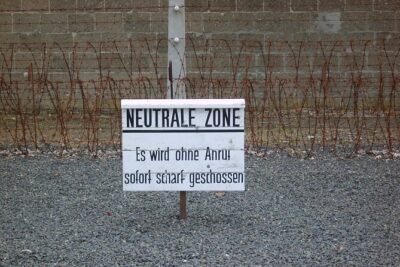
Sachsenhausen Concentration Camp Memorial Tour
Read our review →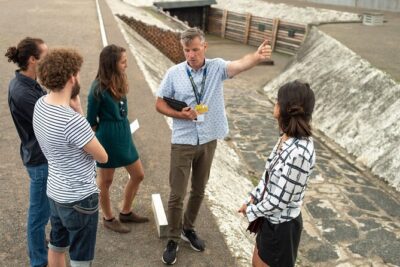
Sachsenhausen Concentration Camp Bus Tour in English from Berlin
Read our review →Sachsenhausen Concentration Camp Tour in English
Read our review →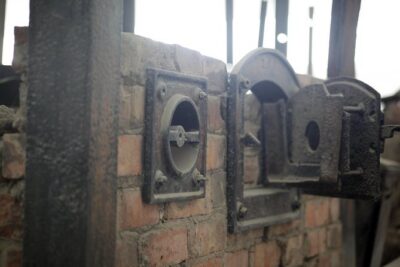
Sachsenhausen Concentration Camp Memorial Tour (Max. 15 Guests)
Read our review →
Sachsenhausen Concentration Camp and Potsdam Tour
Read our review →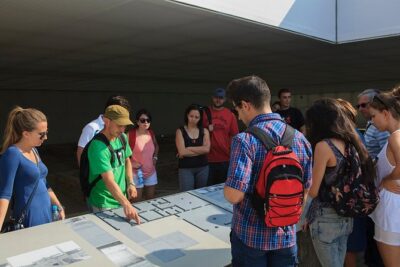
Visita en español al campo de concentración Sachsenhausen
Read our review →Browse the lists this tour appears in