
Reviewed · SACHSENHAUSEN CONCENTRATION CAMP TOURS
From Berlin: Sachsenhausen Concentration Camp Guided Tour
Sachsenhausen is not a sightseeing stop in the usual sense. It is a place of crime, mourning, and careful historical study, where a guide can help you understand how the camp operated and what happened to the people held there. The four-hour tour includes a private car from Berlin and a guided visit to the former camp.
I like the private door-to-door transfer, especially for a serious half-day outing outside Berlin. I also like the chance to have a licensed guide explain the camp’s Nazi and Soviet periods rather than leaving you to piece together a difficult story from signs alone. The main drawback is the price: at $512 per person, this is a costly option unless the private format and personal transport matter to you.
- Private pickup from your Berlin accommodation: Travel in a clean, air-conditioned vehicle reserved for your group.
- A guide-led visit to Sachsenhausen: See the command headquarters, barracks, prison, crematorium site, burial grounds, and memorials.
- A difficult but important subject: Learn about slave labor, abuse, executions, Nazi ideology, and the camp’s later Soviet use.
- Several language choices: Tours are offered in English, German, French, Italian, Spanish, and Polish.
- A compact four-hour schedule: The tour combines transport and the memorial visit into one half-day outing.
- Flexible booking terms: Cancellation is free up to 24 hours before the tour, and you can reserve now and pay later.
Why Sachsenhausen Belongs on a Berlin Itinerary
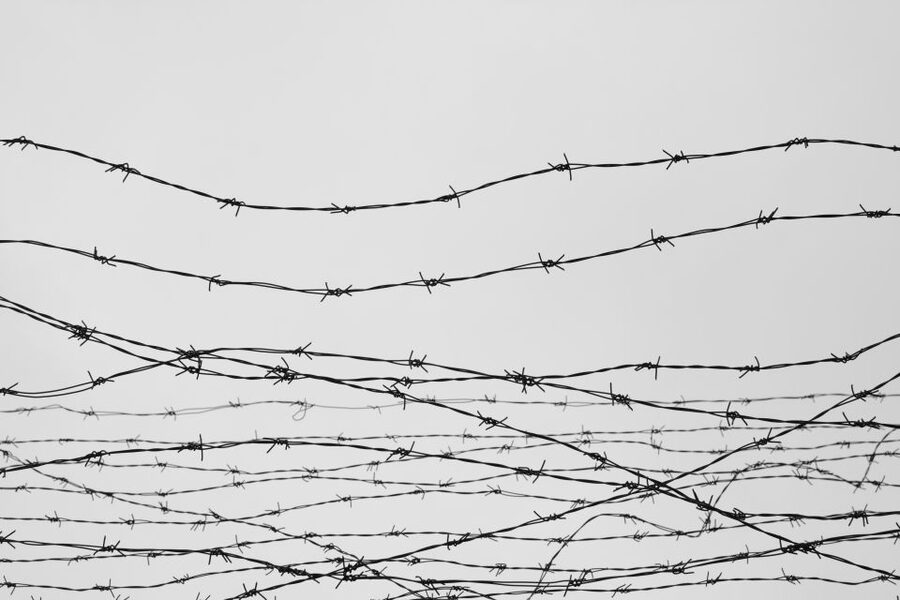
Berlin has plenty of museums that explain the Nazi period, but Sachsenhausen gives you a physical setting for that history. You walk through the grounds of a former concentration camp, see the remains and memorials, and consider how imprisonment, forced labor, punishment, and murder were organized.
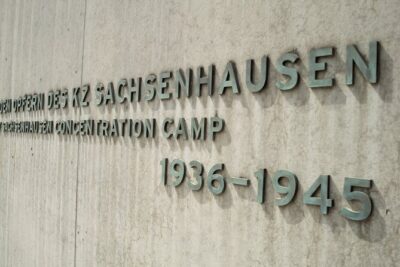
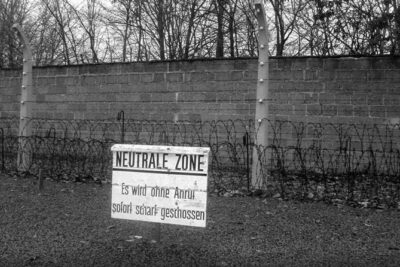
Sachsenhausen was first created by the Nazis as a model concentration camp and a training site. The camp’s design and methods were used to test systems of control and execution that were later applied elsewhere. That fact makes the visit especially sobering. This was not an isolated prison hidden from the wider machinery of the Nazi state. It was part of a system built to manage people through terror.
The memorial also addresses the camp’s history under Soviet control after the Nazi period. That second chapter matters because the site did not simply become empty when the war ended. Exhibits explain how Soviet authorities used the camp and how prisoners were treated during that period.
I would not choose this outing for a casual spare hour. You need to be ready for a serious visit. But if you want to understand the Holocaust and Nazi extremism through a real site rather than only through city museums, Sachsenhausen offers a powerful addition to Berlin.
The Private Ride North From Berlin
Your tour begins with pickup at your accommodation in Berlin. A private driver takes you to Sachsenhausen in a clean, air-conditioned car reserved for your group, then brings you back after the visit.
This arrangement is a major part of the tour’s value. You do not need to work out a route on crowded commercial buses, change transport, or manage directions before a demanding historical visit. You also have a scheduled pickup and return, which keeps the four-hour plan tidy.
The transport is not a luxury add-on with no practical use. For a private group, it can save time and reduce the small stresses that often make an out-of-town memorial visit harder than expected. A verified booking from the United States described the pickup as exactly on time, the van as very comfortable, and the return as running to schedule. That is the sort of detail you want when the day has a fixed length.
The tradeoff is clear: you pay heavily for that convenience. At $512 per person, the price may be hard to justify for one or two people who are comfortable using public transport. It makes more sense if you value a private vehicle, need pickup at your accommodation, are traveling with a group, or want a guide and driver arranged in one booking.
Wear warm clothing. The memorial grounds are outdoors, and the visit includes open areas as well as indoor exhibitions. Even if the weather looks mild in Berlin, conditions can feel different once you are walking around the former camp.
More Sachsenhausen memorial visits from Berlin:
- Berlin: Sachsenhausen Concentration Camp Tour in English
★ 5.0 · 5,711 reviews - Berlin: Sachsenhausen Concentration Camp Memorial Tour
★ 4.7 · 3,716 reviews - Sachsenhausen Concentration Camp Bus Tour in English from Berlin
★ 5.0 · 1,962 reviews
Entering the Memorial and Museum Sachsenhausen
At Sachsenhausen, you join a licensed guide for the visit to the former concentration camp. The guide’s role is important here. The site contains buildings, foundations, memorials, and exhibits, but the meaning of each area is not always obvious from what remains.
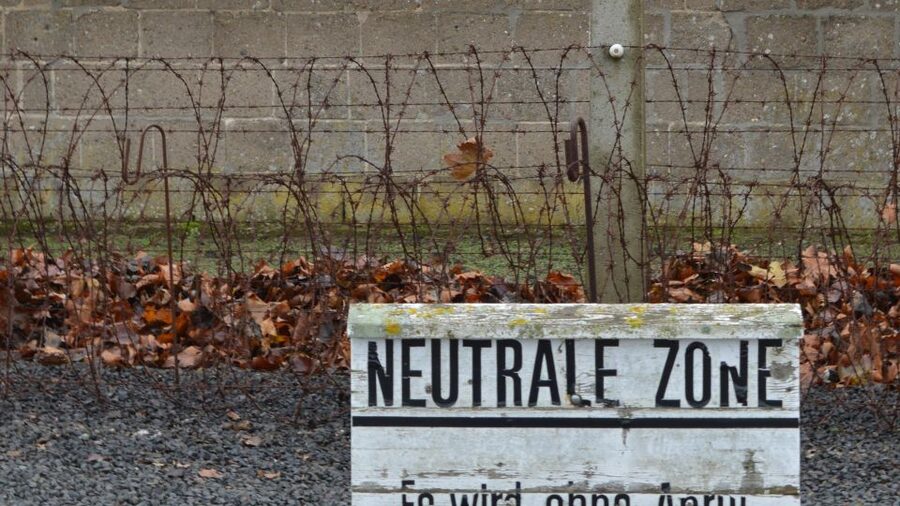
The tour covers the command headquarters, which helps explain how the camp was administered. It also includes former prisoners’ barracks, the camp prison, and the site of the first crematorium. These are not separate attractions to rush through. Each location shows a different part of the system, from administration and confinement to punishment and the handling of bodies.
Your guide also discusses the camp’s operation under the Nazis and the Soviet period that followed. That broader timeline prevents a narrow visit focused only on one phase. You learn how political extremism shaped the camp, how prisoners were controlled and exploited, and how the site continued to be used after the fall of Nazi Germany.
The subject is hard, and the right guide can make the difference between a list of grim facts and a visit that helps you think clearly. The tour is offered in six languages, including English, German, French, Italian, Spanish, and Polish. One guide named in the experience feedback was Gunnar, who was described as compassionate when handling the subject and highly informed about Sachsenhausen’s story and legacy. Another guide, Silvia, was praised for explaining both the site and the journey from Berlin, while answering questions in detail.
Those examples suggest that the guide is not only there to point out buildings. You can expect interpretation, context, and time for questions. Still, guide quality can vary by assignment, and the available guide depends on your chosen language and date.
Barracks, Prison, and the Machinery of Control
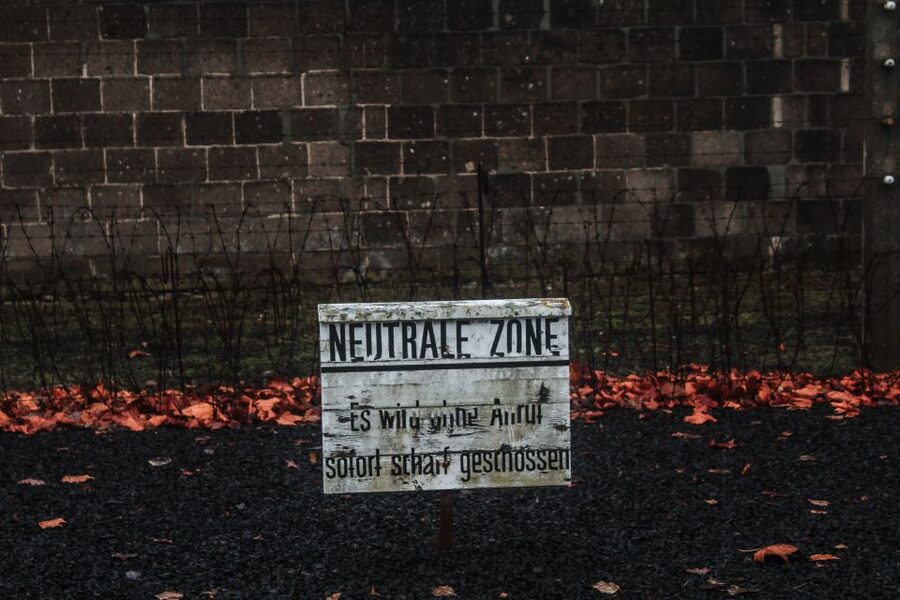
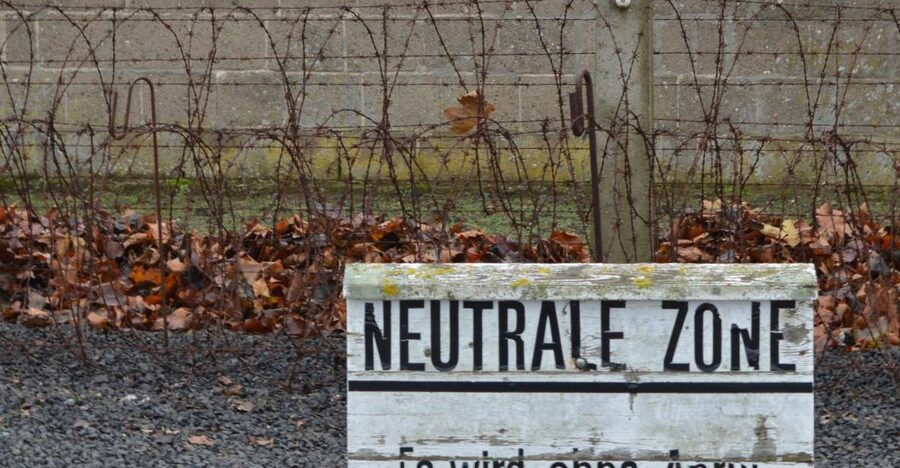
The former barracks give you a way to consider everyday prisoner life. The experience focuses on the camp’s structure and operation, including slave labor and prisoner abuse. You should not expect a comfortable museum visit with a neat beginning and end. The material asks you to think about how people were stripped of freedom, dignity, and safety through an organized system.
The camp prison adds another layer. It shows how punishment and intimidation worked inside the larger camp. The guide can connect this building to the broader pattern of control, helping you understand that violence was not limited to one location.
You also learn about different groups held at Sachsenhausen. The camp population included political prisoners, Soviet prisoners of war, Poles, Jews, Jehovah’s Witnesses, homosexuals, and Freemasons. The information also includes prominent prisoners, such as Joseph Stalin’s oldest son, the penultimate prime minister of France, and members of the family of the Crown Prince of Bavaria.
These names can make the camp’s history easier to place, but they should not overshadow the many less famous people imprisoned there. The purpose of listing prominent prisoners is to show the range of people caught by the system, not to suggest that status protected anyone. Your guide can help connect individual stories with the wider persecution of groups targeted by Nazi ideology.
Crematorium Site, Burial Grounds, and Memorials
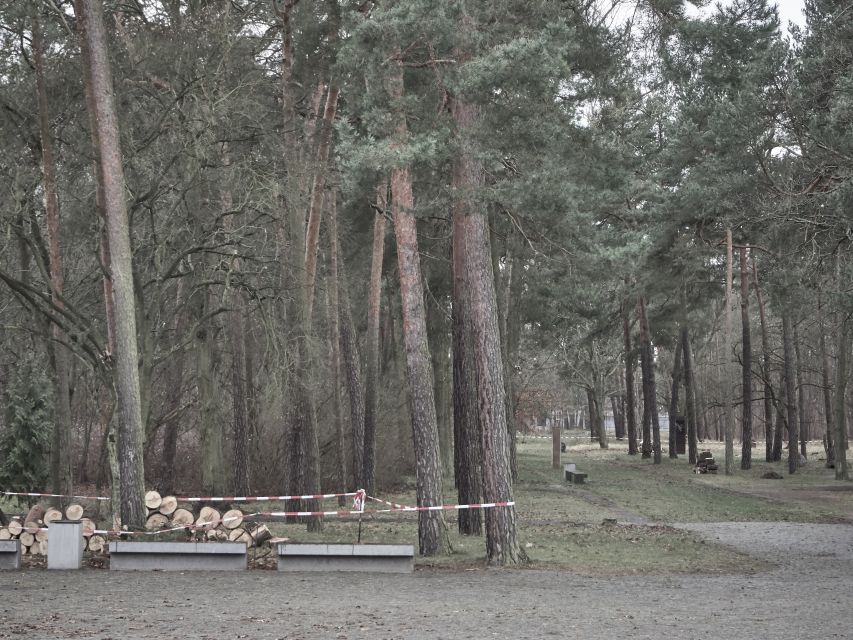
The visit includes the site of the first crematorium, mass graves for concentration camp victims, burial grounds, and several memorials. These areas change the tone of the visit. Museum displays can give you dates and explanations, but memorial spaces ask you to stop and consider the people who died there.
The camp’s execution and cremation history is among the most difficult material on the tour. The experience information also refers to a gas chamber, so you should expect the visit to address the methods used to kill prisoners as well as the conditions of forced labor and imprisonment.
Your guide explains the causes and consequences of Nazi extremism rather than treating the site as a collection of grim objects. That distinction matters. The visit is not about shock for its own sake. It is about understanding how ideology, bureaucracy, violence, and dehumanization worked together.
Give yourself mental space during this part of the tour. The four-hour duration includes the Berlin transfer, so the time at the memorial is limited compared with a full-day study visit. You will cover the main areas, but you should not expect to examine every exhibit at length.
Other Berlin experiences to weigh up
- Berlin: Reichstag, Dome and Government District Guided Tour
★ 4.7 · 18,288 reviews - Berlin: Government District around the Reichstag Guided Tour
★ 4.7 · 8,447 reviews - Berlin: Hidden Backyards Guided Walking Tour
★ 4.8 · 5,360 reviews - Berlin: 1-Hour Boat Tour with Bilingual Live Guide
★ 4.7 · 3,629 reviews
What the Exhibitions Add
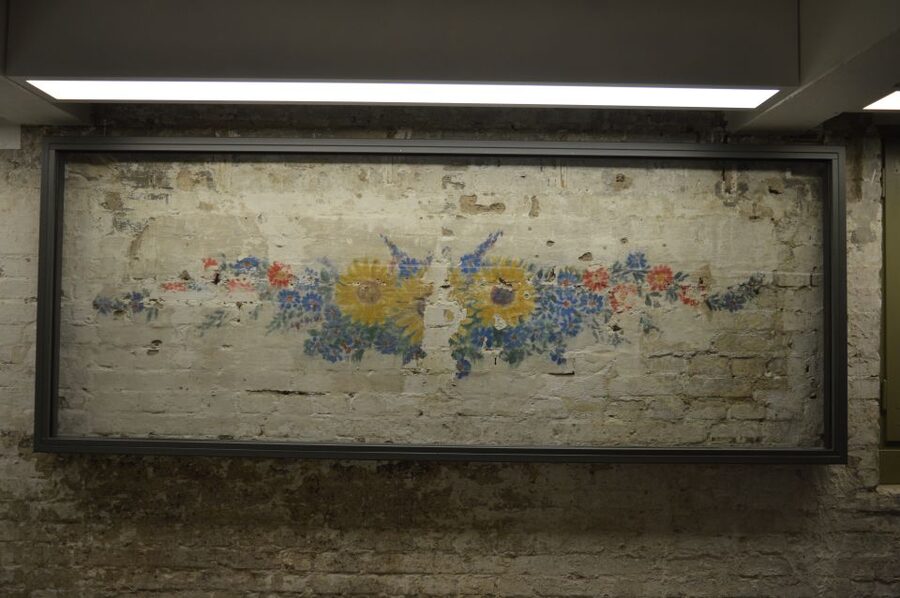
The museum exhibitions explain the camp’s operation under Nazi and Soviet rule. They address torture, executions, prisoners of war, and the systems used to control people in the camp.
This indoor material is valuable because the buildings and grounds alone cannot tell the whole story. Exhibits provide names, dates, categories of prisoners, and explanations of how the camp fitted into National Socialist policy. They also help you understand that the site’s history did not end with liberation.
The museum can be especially useful if you know the broad outline of World War II but want a clearer view of how a concentration camp functioned. You learn about the chain between ideology and daily practice: who was targeted, how prisoners were classified, how forced labor operated, and how abuse and execution were carried out.
I would treat the guide as your main interpreter, but listen at your own pace. Ask questions when you need a point clarified, especially about the Nazi and Soviet periods. The private format gives you a better chance to do that than a large group tour, although the exact amount of discussion depends on the guide and the time available.
Is Four Hours Enough?
Four hours is a useful length for a half-day from Berlin. It gives you transport, a guided visit, and a return to your accommodation without taking over your entire day.
The schedule is also its limitation. Sachsenhausen is a serious memorial site with multiple outdoor and indoor areas. You will see the key locations listed for the tour, but you may not have time to study every display or pause for as long as you would on a self-guided full-day visit.
I like this format for a first visit, particularly if you are in Berlin for a short stay. It gives you a structured introduction and avoids spending hours on transport planning. If you are studying the Holocaust in depth, have strong personal reasons for visiting, or prefer to read every panel, you may want more time than this tour allows.
The guide-led structure helps keep the visit focused. That is useful at a place where it can be difficult to know where to begin. It also means you are following a set plan, so the tour may feel less flexible than visiting independently.
How the $512 Price Makes Sense
At $512 per person, this is an expensive Sachsenhausen option. The cost includes a private trip from Berlin, pickup and drop-off at your accommodation, a private car, admission to the memorial and museum, and a licensed guide in your chosen language.
The key question is not simply how much a Sachsenhausen visit costs. It is what kind of day you want. If you want the lowest price, this tour is unlikely to be the obvious choice. If you want a private vehicle, a private group, a named pickup point, and a guide who can explain the site and answer questions, the package offers practical value.
A private tour can also suit families or small groups who want to discuss the subject quietly among themselves. You are not tied to a large commercial bus, and you do not have to find the memorial on your own. The included admission removes another small task.
The price remains difficult for solo visitors and budget-conscious couples. You are paying for comfort and personal service more than for a longer visit. Before booking, decide if those benefits match your priorities. For some people, they will. For others, public transport and a self-guided visit will leave more money for Berlin’s many museums.
Comfort, Language, and Accessibility

The vehicle is air-conditioned, and the private transfer is designed for your group. The tour is wheelchair accessible, which is an important practical point for anyone who needs accessible arrangements.
Warm clothing is the one specific packing tip provided, and it is worth following. The visit includes outdoor grounds, burial areas, memorials, and former camp structures, so you should not plan it like an indoor museum afternoon.
The live guide can speak German, English, French, Italian, Spanish, or Polish. Choose your language carefully at booking, since the guide’s ability to explain a difficult topic clearly is central to the experience.
The private group format also gives you more control over the pace of questions and discussion than a large shared tour. It does not guarantee unlimited time at every site, but it does create a more personal setting for a difficult subject.
Who Should Book This Sachsenhausen Tour?
I would recommend this tour to you if you want a serious historical visit with the practical ease of private transport. It is a good match for a short Berlin stay, a private group, or anyone who does not want to manage the journey outside the city.
It also suits you if you want more than a silent walk through the memorial. The guide discusses Nazi extremism, prisoner groups, camp operations, executions, and the Soviet period. That added explanation can help you understand what you are seeing.
I would hesitate to recommend it if price is your main concern. The $512 per-person cost is high, and the four-hour schedule does not provide unlimited time at the memorial. You should also avoid booking it if you are looking for a light or entertaining excursion. Sachsenhausen is a place for reflection and historical learning.
The booking terms offer some flexibility: you can cancel up to 24 hours in advance for a full refund, and you can reserve now and pay later. Accessibility is available, and pickup is included from your Berlin accommodation.
Should You Book It?
Book this tour if you value private transport, a personal guide, and a carefully structured introduction to Sachsenhausen. The strongest parts are the door-to-door service, the range of guide languages, and the chance to ask questions while visiting the command headquarters, barracks, prison, crematorium site, memorials, and museum exhibits.
Skip it if $512 per person feels out of proportion to your budget or if you prefer to spend a full day studying the memorial at your own pace. For everyone else, this is a practical and serious way to reach one of the most important historical sites near Berlin. Go prepared for difficult material, dress warmly, and allow the place the attention it deserves.
FAQ
Where does the Sachsenhausen tour begin?
Pickup is included from your accommodation in Berlin. A private driver takes you to the memorial and museum and returns you afterward.
How long does the experience last?
The tour lasts four hours, including the private transfer from Berlin and the guided visit at Sachsenhausen.
Is the tour private?
Yes. The experience is arranged as a private group tour, with a private car reserved for your group.
Which languages are available for the guide?
Live guides are available in German, English, French, Italian, Spanish, and Polish.
What does the tour include at Sachsenhausen?
The guided visit includes the command headquarters, prisoners’ barracks, the camp prison, the site of the first crematorium, burial grounds, mass graves for victims, memorials, and museum exhibitions.
Is the tour wheelchair accessible?
Yes, the activity is listed as wheelchair accessible. Warm clothing is recommended because parts of the visit take place outdoors.
Newest Berlin reviews
- Where It All Began: Berlin’s Queer & Trans History Tour★ 4.9 · 6 reviews
- Understanding Kreuzberg: The roots of local (sub)culture★ 4.9 · 11 reviews
- Berlin: guided canoe | kayaktour★ 4.1 · 7 reviews
- Private Potsdam City Tour in an authentic vintage van★ 5.0 · 14 reviews
- Warnemünde Shore Excursion: Private Sachsenhausen and Berlin Tour★ 5.0 · 12 reviews
- Ultimate E-Bike Tour of Berlin with Beer Garden Stop★ 5.0 · 4 reviews
- In the Forbidden City – Potsdam Walking Tour★ 5.0 · 17 reviews
- Private Walking Tour of Potsdam and Sanssouci★ 5.0 · 24 reviews
Sachsenhausen Concentration Camp Tours, compared.
Sachsenhausen Concentration Camp Tour in English
Read our review →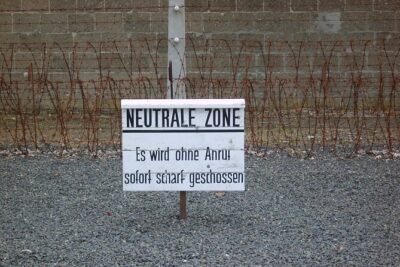
Sachsenhausen Concentration Camp Memorial Tour
Read our review →
Sachsenhausen Concentration Camp Bus Tour in English from Berlin
Read our review →Sachsenhausen Concentration Camp Tour in English
Read our review →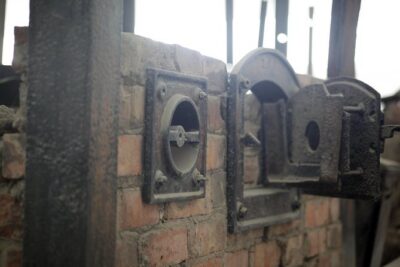
Sachsenhausen Concentration Camp Memorial Tour (Max. 15 Guests)
Read our review →
Sachsenhausen Concentration Camp and Potsdam Tour
Read our review →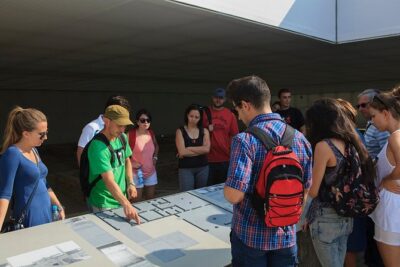
Visita en español al campo de concentración Sachsenhausen
Read our review →Browse the lists this tour appears in