
Reviewed · HISTORICAL TOURS
Berlin Uncensored: A History of Sex & Freedom
Berlin’s sexual past is not a side note. It is a window into the city’s politics, art, science, queer life, repression, and remarkable ability to reinvent itself. This three-and-a-half-hour walking tour follows that story from the uninhibited 1920s through Nazi censorship, the Cold War divide, and Berlin’s present-day club culture.
I like the way Jeff combines sociology with street-level storytelling, using more than 200 photographs, videos, audio clips, and quotes instead of asking you to imagine the past from bare buildings. I also like the small group limit of 10, which gives the walk room for questions and discussion. The main drawback is simple: many historic venues are gone, so you often view a site from outside rather than enter an original club or institute. Three hours and 30 minutes on foot can also feel long without a planned refreshment stop.
Key points at a glance
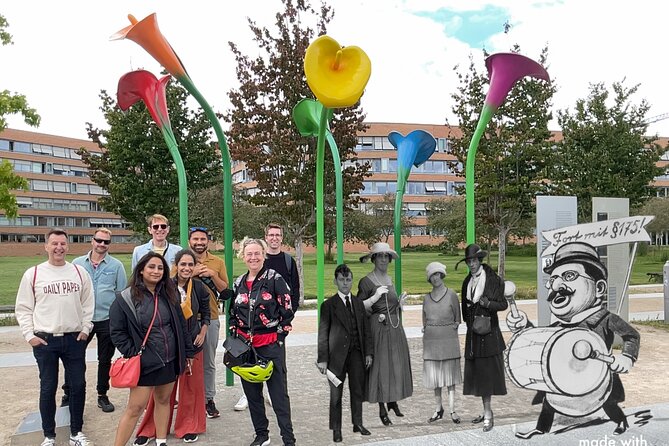
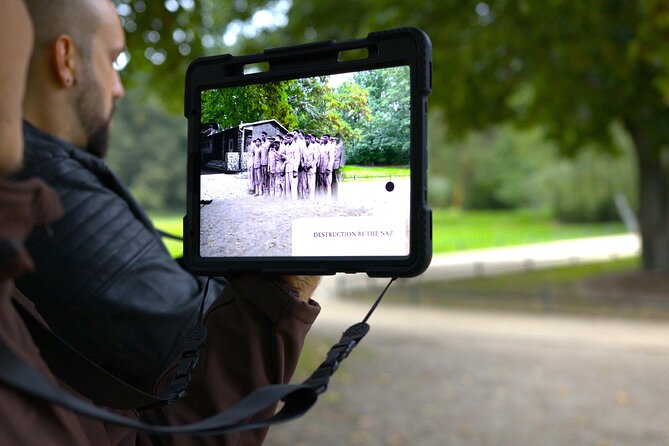
- The 1920s come alive through AR: See lost clubs, cabarets, and historic scenes placed back onto the streets with your guide’s iPad.
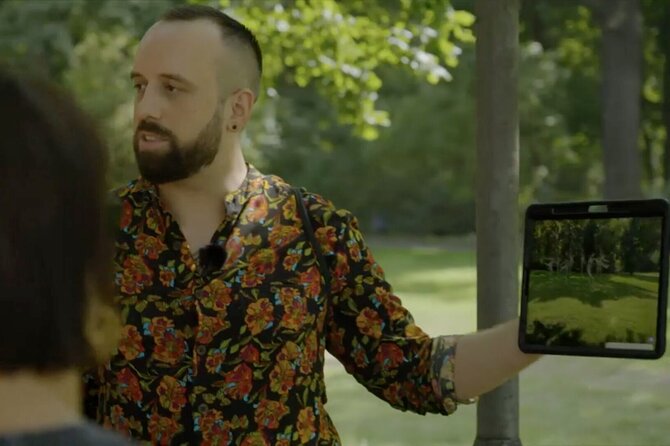
- Jeff leads with specialist training: Your guide is a sociologist, certified sex educator, and journalist who has studied Berlin’s sexual past for more than a decade.
- The route connects sex, politics, and science: Stops cover contraception, the Institute for Sexual Science, Nazi persecution, Cold War culture, and modern nightlife.
- Expect real discussion, not just colorful anecdotes: Quizzes and group conversation add a thoughtful layer to the walk.
- The tour stays small: A maximum of 10 participants makes it easier to ask personal or sensitive questions.
- Bring a transport ticket and comfortable shoes: Public transport is not included, and some paths may be bumpy even though the route is wheelchair accessible.
Why Berlin’s sexual past makes such a good walking tour
Berlin’s story is unusually suited to a walking tour because the city’s sexual culture has always been tied to particular streets, neighborhoods, clubs, clinics, theaters, and political movements. You are not simply hearing a list of famous names. You are seeing where these ideas took shape, then comparing the past with what remains today.
The route begins around Nollendorfplatz, an area closely associated with Berlin’s queer and nightlife culture. From there, it moves through places linked to sex work, sexual science, lesbian and gay liberation, and historic entertainment. The walk ends near Metropol, a former entertainment venue with a long connection to Berlin’s nightlife.
The subject is adult, but the tone is not intended to be crude. The tour deals with sexual health, gender roles, erotic culture, queer lives, censorship, and persecution in a historical and educational way. You should still expect frank material and strong themes. This is not the right choice for children, and it may not suit anyone hoping for a conventional sightseeing walk.
More history tours in Berlin:
- Berlin: Natural History Museum Entrance Ticket
★ 4.6 · 3,382 reviews - Berlin: World Heritage Cruise to Potsdam
★ 4.5 · 1,435 reviews - Berlin Historical Highlights Walking Tour
★ 4.9 · 657 reviews
Jeff’s approach, and why the small group matters
Jeff is presented as a sociologist, certified sex educator, and journalist. That combination matters. The tour is not only about scandalous clubs or colorful characters. It also asks how societies define normal behavior, who gets to control sexual expression, and how laws affect private life.
The small group size, capped at 10, is a real advantage here. Sensitive topics work better when you can hear the guide clearly and ask questions without speaking over a large crowd. The format also leaves room for the quizzes and discussions that form part of the walk.
Jeff’s style appears to favor steady explanation over a quick checklist of facts. His energy has been praised even when rain changed the plan, and he has adjusted the route when needed. That is useful on a walking tour with a long time outdoors, though you should still check the forecast and dress for Berlin’s changeable weather.
Starting at Nollendorfplatz
The meeting point is directly outside the entrance to the Alnatura organic supermarket at Else-Lasker-Schüler-Straße 18, 10783 Berlin. This is a practical spot near Nollendorfplatz, but it is not a dramatic monument or formal tour office, so arrive with the address open on your phone.
The first short walk takes about five minutes to Magnus-Apotheke. That modest start fits the tour’s general method: ordinary streets become clues to larger stories. You begin with the role Berlin played in contraception and sexual health before moving toward memorials, former nightlife sites, and entertainment venues.
Bring a public transport ticket. It is not included in the $81 price, even though the tour itself is on foot. You will not need public transport during the route as described, but having a valid ticket is part of the practical preparation requested for the activity.
Magnus-Apotheke and Berlin’s early contraception story
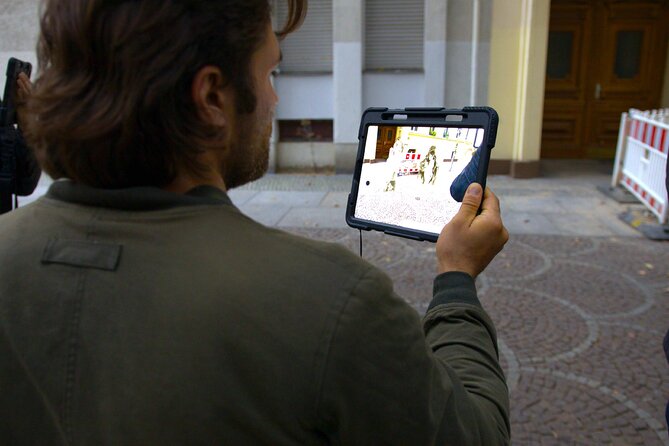
At Magnus-Apotheke, the guide spends about 20 minutes. This stop connects Berlin with the invention of the first rubber condom, as well as the city’s wider role in contraception and sexual health.
That detail gives the tour a useful balance. Berlin’s sexual history is often reduced to nightlife, cabaret, and famous clubs. Starting with contraception shows that sexual freedom also depends on practical health knowledge, access to information, and changing ideas about relationships.
You will use the visual material here to place the subject in context. More than 200 archival photographs, films, recordings, and quotations are spread across the walk, so the guide can show rather than simply describe the people and places involved. The AR does not replace the explanation. It adds a visual layer, which is especially helpful when the original scene has disappeared.
A different sort of day out in Berlin:
- Berlin: Reichstag, Dome and Government District Guided Tour
★ 4.7 · 18,288 reviews - Berlin: 1-Hour City Tour by Boat with Guaranteed Seating
★ 4.3 · 16,993 reviews - Berlin: Boat Tour Along the River Spree
★ 4.4 · 11,252 reviews - Discover Berlin Half-Day Walking Tour
★ 5.0 · 9,624 reviews
The memorial and the cost of repression
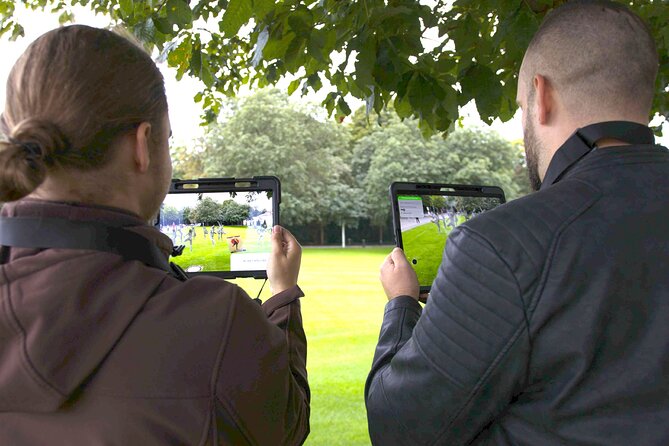
A 10-minute walk brings you to the Memorial to the Homosexuals Persecuted Under Nazism. The guided portion lasts about 15 minutes.
This is one of the route’s most serious stops. The tour explains how the Nazi regime shut down erotic publications, cabarets, and clubs, while criminalizing forms of desire and sending people to concentration camps because of their sexuality. It also looks at the regime’s double standards, and at what happened to sex workers and sexual minorities.
The memorial gives those facts a physical and moral focus. You are no longer dealing only with vanished nightlife. You are considering the consequences of censorship and state power for real people. The tour’s adult subject matter is important here, but the treatment is educational rather than sensational.
Subtitles are available for videos in English, German, or both languages. If you have a visual disability, detailed descriptions of visual material can be provided. That makes the archive work more useful for a wider range of participants.
Kurfürstenstraße and Schwerinstraße
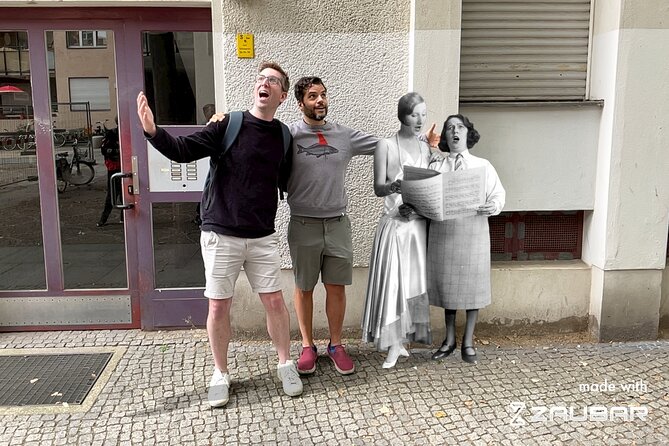
From the memorial, the walk continues to Kurfürstenstraße, with about 20 minutes of guided discussion, then Schwerinstraße, with about 15 minutes. These locations bring the story closer to sex work, street life, and the way public attitudes have changed over time.
The value of these stops is their connection to real urban space. You are not hearing about sex work as an abstract issue in a lecture hall. You are standing on streets where prostitution, policing, morality, and commerce have intersected.
The tradeoff is that this is primarily a street-based history tour. Do not expect to enter every location connected with the story. Some clubs and businesses no longer exist, and the tour may pause outside while Jeff uses images and AR to recreate what stood there. If you want interiors, live performances, or a night at a club, this activity will not provide that.
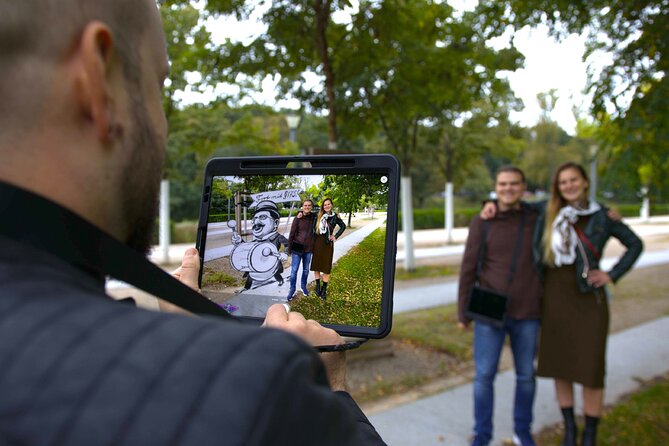
The AR works best when it helps you compare the current street with an earlier version. You may see a historic venue, photograph, or scene positioned over the place where it once existed. One practical note: using an iPad in an outdoor setting can depend on weather, light, and your position in the group. The technology supports the storytelling, but it is not the entire attraction.
Nollendorfstraße and the social side of liberation
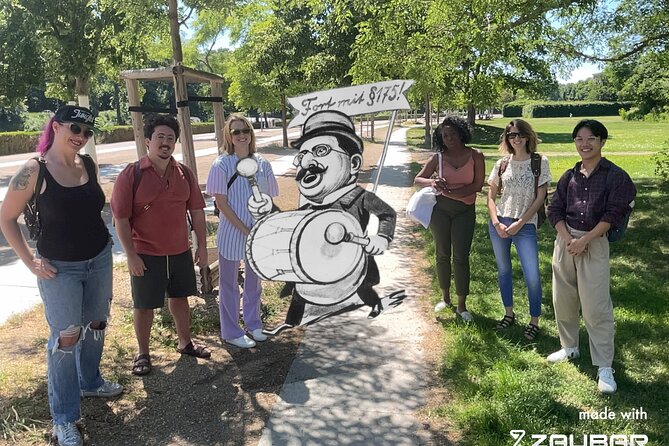
The stop at Nollendorfstraße lasts about 10 minutes. Here, the focus broadens to queer and feminist liberation, lesbian bars, and the social networks that helped people create lives outside accepted norms.
This section is important because it keeps the tour from treating Berlin’s sexual past as a story made only by men or by nightlife entrepreneurs. The route includes women’s spaces, feminist movements, queer communities, and changing ideas about gender roles.
You will also hear how culture, politics, and entertainment overlapped. Berlin’s cabarets and clubs were not merely places for amusement. They could be spaces where people tested new identities, challenged social rules, or found communities that were hard to locate elsewhere.
That history helps explain why the tour moves between serious subjects and lighter material. Shock and laughter can sit beside grief and political analysis, as long as the guide keeps the context clear. Jeff’s role as a sex educator is useful in maintaining that balance.
Prinz Eisenherz and the survival of queer culture
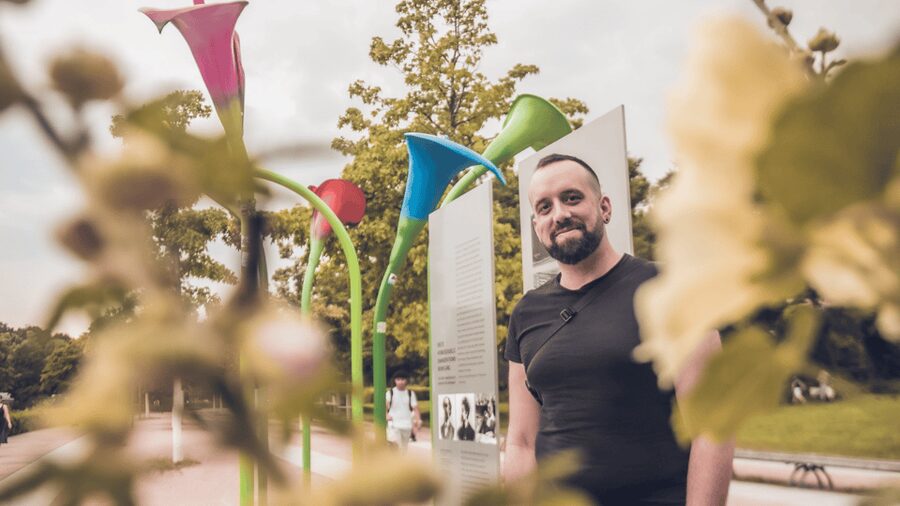
After a 15-minute guided stop at Denns BioMarkt, the route reaches Prinz Eisenherz for about 20 minutes. The supermarket is a practical pause in the sequence, while Prinz Eisenherz gives the walk a more direct connection to queer publishing and community life.
The route’s exact treatment of each site can vary, but the larger thread is clear: sexual freedom is sustained by information, meeting places, bookstores, clubs, health services, and organized communities. These are the less flashy parts of social change, yet they often matter more than a single famous nightclub.
This section should appeal to you if you want the tour to cover ideas and institutions, not only old cabaret stories. It also helps explain the city’s later sex-positive culture as something built over time through activism, media, social spaces, and political change.
Metropol and Berlin’s entertainment legacy

The final major stop is Metropol, where the guided portion lasts about 20 minutes. The venue connects the route to Berlin’s history of performance, nightlife, music, and boundary-pushing entertainment.
The tour’s discussion of the 1920s includes clubs where art, performance, sexuality, and nightlife blurred together. You will also hear about the legendary Eldorado Club and other lost locations, with AR used to bring former scenes back into view.
Metropol is a fitting closing point because it links the early nightclub culture with the city’s continuing interest in experimental performance and after-dark life. It also gives Jeff a chance to connect the historical material with the modern scene, including KitKat Club, Berghain, Lab.Oratory, Folsom Europe, and Berlin’s fetish and electronic music communities.
These recommendations are not a substitute for a club ticket or a night out. They are insider context, useful if you want to continue exploring after the walk. The tour can tell you what places represent and how they fit into Berlin’s culture, but it does not include entry to current clubs or festivals.
East, West, and the sexual culture of a divided city
One of the strongest parts of the tour is its treatment of Berlin after the Second World War. The city’s sexual culture did not develop in one unified direction once Berlin was divided.
West Berlin became a center of sexual liberation, while East Germany promoted nudism, known as FKK, but controlled sexuality in other ways. The tour compares relationships, gender roles, and personal freedom on both sides of the Wall.
This section adds needed complexity. A society can permit one form of nudity while restricting other forms of sexual expression. Another can allow clubs and counterculture to flourish while still leaving some people exposed to discrimination or health risks. The Cold War story makes you ask what freedom really means, and who gets to enjoy it.
The route also reaches the AIDS crisis and modern sexual culture. That brings public health back into the story, linking the early contraception material at Magnus-Apotheke with later battles over education, stigma, and access to care.
How the AR and archive material affect the experience
The tour uses a guide’s iPad to show augmented reality recreations, photographs, videos, audio recordings, and quotes. You may see a historic club or a lost building placed into the current street scene, or watch archival material while standing near the location it describes.
I see this as a useful tool rather than a gimmick. Berlin has changed so much that many important places no longer look like their historic selves. A photograph or AR image can help you understand the gap between today’s street and the world being discussed.
Still, keep your expectations realistic. This is not a fully digital attraction with elaborate headsets or a special-effects show. You are walking outdoors, gathering around the guide, and viewing material on an iPad. One person found the AR less impressive than expected, while still enjoying the content and discussion. That is the right way to judge it: the history carries the tour, and the technology helps you picture it.
The tour also includes Mixies, personalized photos with AR elements. These are a fun extra, especially if you want a souvenir that is more distinctive than a standard street photograph. They should be considered a bonus, not a reason to book the walk by themselves.
Timing, walking comfort, and accessibility
The full duration is 210 minutes. Guided stops total roughly two hours and 15 minutes, with walking between them. That leaves you on the route for a substantial part of the afternoon or morning, so wear comfortable shoes and bring water.
There is no formal refreshment stop included. One practical criticism is that the walk can feel too long without a planned break, particularly in rain or warm weather. You can make your own arrangements before starting, but do not assume lunch or drinks are part of the schedule.
The route is wheelchair accessible, although some paths may be bumpy. Accessible toilets can be arranged on request. Visual descriptions can be provided, and videos include English, German, or bilingual subtitles. Some parts of the tour take place in high-stimulation settings with strong sensory input, so mention your needs in advance. Indoor mask use can also be arranged if required for health reasons.
Is $81 a fair price?
At $81 per person, this costs more than a standard city walking tour. You are paying for a 210-minute small-group experience, a specialist guide, archival research, AR material, and a subject that is not covered by most general Berlin sightseeing routes.
The value depends on how much you want from the experience. If you want a cheap introduction to Berlin’s major landmarks, choose another walk. If you are interested in queer history, sexual science, censorship, sex work, feminist movements, nightlife, or the link between private life and public politics, the longer format gives Jeff time to make those connections.
The maximum of 10 participants also matters. You are not paying only for information. You are getting a setting where questions and discussion can shape the afternoon. The price is easier to justify if you treat this as a specialist history seminar that happens to move through city streets.
Free cancellation up to 24 hours before the start and reserve-now, pay-later booking make the financial commitment less rigid. Those terms are useful if your Berlin plans may shift.
Who should book Berlin Uncensored?
I would recommend this tour to adults who enjoy social history more than landmark collecting. It suits you if you want to understand why Berlin became associated with sexual freedom, and how that freedom was repeatedly limited, rebuilt, and debated.
It is particularly good for people interested in queer history, feminist history, sexual health, sociology, political repression, cabaret, or modern club culture. The small group and discussion format also work well if you like asking questions rather than simply following a guide from one monument to the next.
You may want to skip it if you dislike frank sexual subjects, need frequent seated breaks, or expect to enter historic clubs and see original interiors. The route is informative and visually supported, but many sites are viewed from public streets. You should also plan for a long walk without an included meal or drinks stop.
FAQ
How long does Berlin Uncensored last?
The tour lasts 210 minutes, or three and a half hours.
Where does the tour meet?
Meet directly outside the entrance to the Alnatura Super Natur Markt at Else-Lasker-Schüler-Straße 18, 10783 Berlin, near Nollendorfplatz.
Who leads the tour?
Jeff leads the tour. He is a sociologist, certified sex educator, and journalist who has studied Berlin’s sexual history for more than a decade.
What language is the tour in?
The live tour guide speaks English. Videos include English, German, or both languages through subtitles.
Is the tour suitable for children?
No. The activity is not suitable for children under 18.
Is the tour wheelchair accessible?
Yes, the tour is wheelchair accessible, although some paths may be bumpy. Accessible toilets can be arranged upon request.
Is public transport included?
No. You should bring a public transport ticket. The activity price does not include one.
Should you book it?
Book this walk if you want a serious, unusual look at Berlin through sexuality, science, censorship, queer life, and nightlife. Jeff’s specialist background, the small group, and the archive material give the subject more substance than a simple tour of scandalous stories.
Skip it if you want interiors, a short route, or a conventional sightseeing introduction. For the right audience, $81 buys a thoughtful three-and-a-half-hour conversation with the city, supported by images and AR that help lost places return for a moment.
Newest Berlin reviews
- Where It All Began: Berlin’s Queer & Trans History Tour★ 4.9 · 6 reviews
- Understanding Kreuzberg: The roots of local (sub)culture★ 4.9 · 11 reviews
- Berlin: guided canoe | kayaktour★ 4.1 · 7 reviews
- Warnemünde Shore Excursion: Private Sachsenhausen and Berlin Tour★ 5.0 · 12 reviews
- Ultimate E-Bike Tour of Berlin with Beer Garden Stop★ 5.0 · 4 reviews
- Private Potsdam City Tour in an authentic vintage van★ 5.0 · 14 reviews
- In the Forbidden City – Potsdam Walking Tour★ 5.0 · 17 reviews
- Private Walking Tour of Potsdam and Sanssouci★ 5.0 · 24 reviews
Historical Tours, compared.
Berlin Private Complete History All Day Walking Tour
Read our review →
Small group Potsdam: A Journey Through History and Palaces
Read our review →Browse the lists this tour appears in