Reviewed · TICKETS
Berlin: Deutschlandmuseum – Flexible Entrance Ticket
The Deutschlandmuseum turns 2,000 years of German history into twelve staged scenes, from the Battle of Varus to the 2006 summer fairy tale. You move through historical turning points with period objects, interactive media, and displays designed to involve more than just your eyes.
I like the easy, visual storytelling, especially if you want a quick grasp of Germany’s past without reading long museum labels. I also like the flexible ticket, separate entrance, and one-day validity. The main drawback is that the museum favors atmosphere and simple explanations over serious historical depth, and it may feel cramped when busy.
Key points to know
- Twelve historical scenes: Follow major moments across roughly 2,000 years of German history.
- From Varus to 2006: The time span reaches from the Battle of Varus to Germany’s 2006 World Cup summer.
- Hands-on presentation: Period exhibits and interactive media bring each scene to life through sight, sound, and other sensory elements.
- Good for families: The straightforward approach and theatrical settings can work well for children.
- Flexible entry: You can appear without pre-registration, and the ticket remains valid for one day.
- A possible crowd issue: A full museum can reduce the fun and make it harder to enjoy each display.
Twelve scenes for 2,000 years of German history
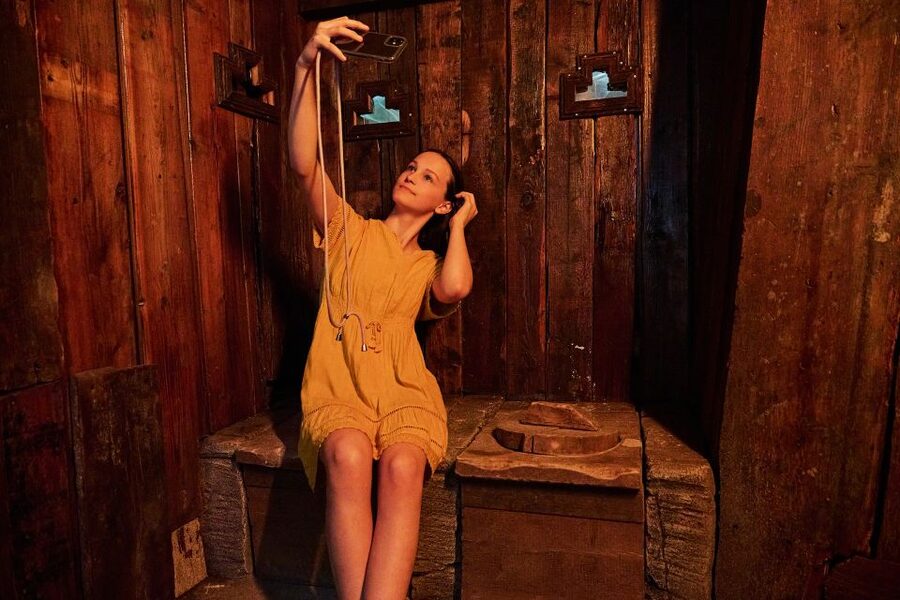
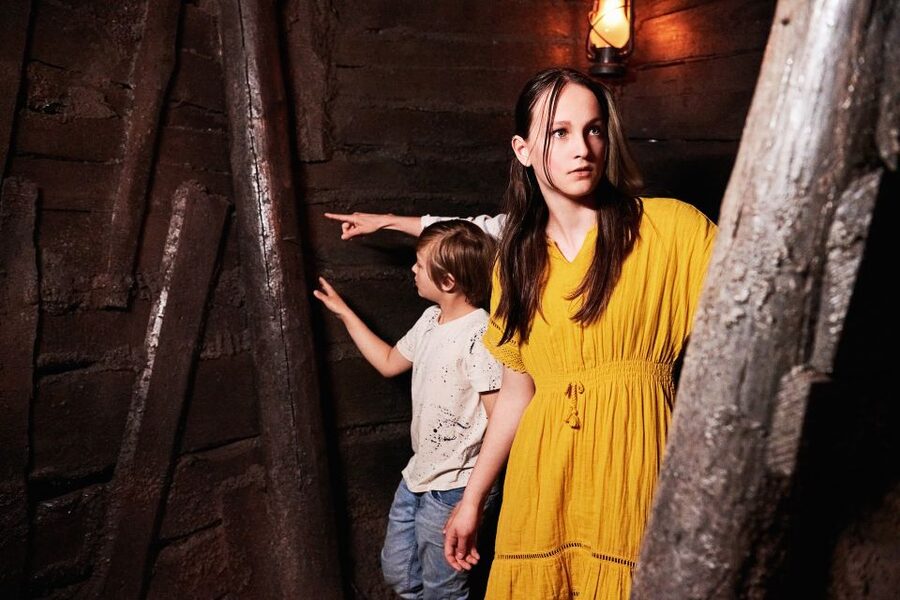
The Deutschlandmuseum is not arranged like a traditional museum filled with rows of cases. Instead, it presents twelve historical eras through detailed settings built around major moments in German history.
The stated range runs from the Battle of Varus to the 2006 summer fairy tale, the nickname often used for the upbeat mood surrounding the FIFA World Cup held in Germany. That gives you an unusually broad sweep. You are not visiting one narrow period or one famous Berlin site. You are getting a fast-moving introduction to the forces, events, and public moods that shaped Germany over two millennia.
Because the experience is divided into scenes, you can expect each section to have its own look and feel. Historical objects from the period are combined with interactive media. This format is useful when a standard timeline starts to blur together. Instead of only reading that an event happened, you get a setting intended to show how the period might have felt.
The tradeoff is clear. Twelve scenes cannot explain every cause, consequence, or debate in German history. You will get broad strokes and memorable impressions rather than a university seminar. If you want a detailed treatment of politics, religion, military strategy, or social change, plan to pair this with a more traditional museum.
Other Berlin experiences to weigh up
- Berlin: Berlin Story Bunker Entry Ticket
★ 4.6 · 6,759 reviews - Berlin: Illuseum Berlin Entrance Ticket
★ 4.1 · 3,970 reviews - Berlin: Madame Tussauds Admission Ticket
★ 4.6 · 3,941 reviews
Why the sensory format works

The Deutschlandmuseum’s main idea is to involve all your senses, not just your reading skills. The displays use historical objects and interactive media to make each era easier to grasp.
That matters in a subject as large as German history. A long sequence of dates can become tiring, especially for children or anyone visiting several museums in Berlin. A physical setting gives you an anchor. A media presentation can add sound or movement. An object from the period gives the display a direct link to the past.
I like this approach for a first visit to Germany because it helps you build a basic framework. Later, when you see a monument, palace, church, or former border site, you have some context for the larger story. The museum is not the final word on any era, but it can help you know which questions to ask next.
The design also makes the experience less formal. The museum itself presents history as fun, and that is an important part of its purpose. You are encouraged to look, listen, interact, and follow the scenes rather than stand quietly in front of one label after another.
Still, sensory presentation is not the same as historical detail. The displays may help you remember an era, but they will not necessarily explain every political dispute or offer competing interpretations. Keep your expectations in line with a lively introduction.
The journey from the Battle of Varus to 2006
The Battle of Varus gives the experience an early starting point in German history. It is a useful choice because the event is connected to the Roman period and to the long story of how German identity and territory have been understood.
From there, the museum moves through twelve eras. The exact details of every stop are not provided, so you should think of the route as a set of staged historical turning points rather than a fully listed day-by-day itinerary.
Each scene combines historical exhibits with interactive media. That combination is the key feature to watch for. You are not simply looking at modern replicas or theatrical scenery. The displays also include objects connected to the period, giving the presentation some physical evidence alongside the visual effects.
The final reference point, Germany’s 2006 summer, shifts the focus toward living memory. Many people can still recall the public excitement around that World Cup. Including it shows that the museum is not only concerned with ancient or medieval events. It also asks how recent national experiences become part of a country’s shared story.
That ending may appeal to families and younger visitors because it connects history to something more recognizable. It also reminds you that history does not stop at old castles and battles. Recent public events can shape how a nation sees itself.
A good choice for families and first-time visitors

The museum’s simple explanations and theatrical rooms make it a natural fit for families. One review described the atmosphere as pleasant for children, and that matches the design described here. Interactive displays usually give younger visitors something to do while adults fill in the broader context.
You should not expect every child to remain equally interested throughout twelve eras. The museum still covers a large span, and attention can fade. But the combination of scenes, media, and objects gives you more variety than a standard wall of text.
I also see value here for adults who want an accessible introduction. You do not need a specialist background to follow the basic story. If you have limited time in Berlin, the museum can help you get oriented before visiting places connected to German history elsewhere in the city.
It works less well for someone who already knows the subject and wants new academic detail. One high rating came with the useful qualification that the museum does not go far into historical depth, even though it is clear, interesting, and varied. That is the right way to think about it: easy to follow, not exhaustive.
A different sort of day out in Berlin:
- Berlin: Reichstag, Dome and Government District Guided Tour
★ 4.7 · 18,288 reviews - Berlin: 1-Hour City Tour by Boat with Guaranteed Seating
★ 4.3 · 16,993 reviews - Berlin: Boat Tour Along the River Spree
★ 4.4 · 11,252 reviews - Discover Berlin Half-Day Walking Tour
★ 5.0 · 9,624 reviews
Crowds can change the experience
The biggest practical concern is crowding. A museum built around staged rooms and interactive displays needs enough space for people to stop, look, and take part. If too many people arrive at once, you may have to wait for a display or move through a scene before you have fully understood it.
One lower rating specifically described the museum as too full and disappointing because the actual experience did not match expectations. That does not cancel out the museum’s strengths, but it is useful warning. The format works best when you have room to take in each scene at your own pace.
Your flexible ticket helps with timing because you are not tied to a narrow pre-registration slot. Check the available starting times before booking, then consider visiting at a time that suits your schedule and may avoid the busiest period. The supplied information does not identify a guaranteed quiet hour, so I would not promise one.
The separate entrance and no-waiting benefit also help with arrival. You can go directly to the museum entrance rather than joining a standard ticket queue. That saves time, especially if you are fitting the museum between other Berlin sights.
Is $30 a fair price?
At $30 per person, this is not a bargain basement attraction. The value depends on how much you want a guided-feeling introduction to German history and how much you enjoy interactive museum design.
The price covers entry for one day, not a short timed presentation. You also get flexible appearance without pre-registration, a separate entrance, and the option to reserve now and pay later. Those terms have practical value if your Berlin schedule is still changing.
I would call the price reasonable for a visitor who wants a broad, entertaining overview and plans to use the museum as a main activity. It is harder to justify if you want detailed scholarship or only have a passing interest in German history.
For families, the value depends on how many people in your group enjoy interactive displays. The attraction may be more successful with children than a quiet, text-heavy museum, but the supplied information does not provide child prices or family packages. Check the current booking details before assuming the total cost.
How long should you allow?
The ticket is valid for one day, but the information does not give a fixed visit length. You should therefore plan around your own pace rather than treat the attraction as a timed tour.
If you read every label, try each interactive feature, and pause in the staged rooms, you may need more time than someone making a quick circuit. The broad range of eras also means you may want to stop and discuss what you are seeing, especially with children.
Because the museum is designed around twelve scenes, it may feel more structured than a large collection where you can wander randomly. That can be helpful when you are tired or short on time. You have a clear sequence of historical moments to follow.
Do not confuse the one-day validity with an all-day guided program. It simply gives you access on the valid date. The experience is self-directed based on the information provided, and no guide names or guided commentary details are supplied.
Practical booking details that matter
You can reserve the ticket and pay later, which is useful when your Berlin plans are not final. Free cancellation is available up to 24 hours in advance for a full refund, giving you some protection if your schedule changes.
The ticket includes entry to the Deutschlandmuseum and a separate entrance to skip the line. You do not need to pre-register your appearance, so the booking is more flexible than a fixed appointment.
The museum is wheelchair accessible. That is important for anyone planning a full day of sightseeing and needing a venue with easier physical access.
The supplied details do not identify the available language options. If language is important for your visit, check the current booking page directly before paying.
Who will enjoy it most?
I would recommend the Deutschlandmuseum to:
- First-time visitors who want a broad introduction to German history
- Families looking for a history museum with visual and interactive elements
- Adults who prefer scenes and media to long written explanations
- People with a limited schedule who want a focused, self-directed visit
- Visitors who value flexible entry and cancellation terms
I would be more cautious if you are a serious history reader looking for detailed analysis. The museum’s strength is presentation. It makes a large subject approachable, but it cannot give every era the space it deserves.
The experience also suits you if you like learning through atmosphere. You may remember a staged room or interactive moment more easily than a list of dates. Just keep in mind that a crowded visit can reduce the effect.
Should you book the Deutschlandmuseum?

Book it if you want German history presented in a clear, playful, and highly visual way. The twelve-era format, period exhibits, and interactive media give you a useful starting point, especially if you are traveling with children or want an alternative to a traditional museum.
Skip it if your main goal is detailed historical research, quiet contemplation, or a long treatment of one specific period. At $30, you should want the full sensory presentation rather than simply another collection of objects.
For most first-time visitors, I see it as a worthwhile orientation stop, especially with the flexible one-day ticket and separate entrance. Try to avoid arriving when it is packed, and you will have a better chance to enjoy what the museum does best: making a very large story easy to enter.
FAQ
Where is the Deutschlandmuseum located?
The Deutschlandmuseum is in Berlin, in the state of Berlin, Germany.
How much does admission cost?
The listed price is $30 per person.
How long is the ticket valid?
The ticket is valid for one day.
Do I need to choose a fixed arrival time?
You can appear flexibly without pre-registration. You should still check availability for the available starting times when booking.
Does the ticket include skip-the-line access?
Yes. Entry includes a separate entrance so you can skip the regular line.
Can I cancel the booking?
Yes. You can cancel up to 24 hours in advance for a full refund.
Can I reserve now and pay later?
Yes. The reserve now and pay later option lets you book without paying immediately.
Is the Deutschlandmuseum wheelchair accessible?
Yes. The experience is listed as wheelchair accessible.
Newest Berlin reviews
- Where It All Began: Berlin’s Queer & Trans History Tour★ 4.9 · 6 reviews
- Understanding Kreuzberg: The roots of local (sub)culture★ 4.9 · 11 reviews
- Berlin: guided canoe | kayaktour★ 4.1 · 7 reviews
- Private Potsdam City Tour in an authentic vintage van★ 5.0 · 14 reviews
- Warnemünde Shore Excursion: Private Sachsenhausen and Berlin Tour★ 5.0 · 12 reviews
- Ultimate E-Bike Tour of Berlin with Beer Garden Stop★ 5.0 · 4 reviews
- In the Forbidden City – Potsdam Walking Tour★ 5.0 · 17 reviews
- Private Walking Tour of Potsdam and Sanssouci★ 5.0 · 24 reviews
Tickets, compared.


Sanssouci Palace and Prussian Palaces Entry Ticket
Read our review →