
Reviewed · BERLIN STREET ART TOURS
East Meets West: Berlin Food Culture & Street Art
Berlin’s food culture makes the most sense when you walk through the neighborhoods that shaped it. This tour links Friedrichshain, the East Side Gallery, and Kreuzberg with tastings ranging from schnitzel and currywurst to Turkish street food, Ukrainian soul food, vegan doughnuts, and coffee.
I like the small maximum of eight people, which gives guides such as Lee, Elena, Tiago, and Will room to answer questions and adjust the pace. I also like the route’s mix of food and politics: you do not just eat in Kreuzberg, you learn how East Berlin, West Berlin, Turkish immigration, Nazi rule, and the Communist era helped shape what is on the plate today.
The main drawback is value. At $169.38 per person, this is not a cheap way to sample Berlin, and one food-focused reviewer found the stops basic for the price. You also cover a fair amount of ground, so wear proper walking shoes and arrive ready to eat.
Key points at a glance
- Six local tastings: Expect a broad mix of German, Turkish, Ukrainian, vegan, and other Berlin flavors, plus drinks and Berliner Pilsner.
- East meets West on foot: The route begins in Friedrichshain and ends at U Kottbusser Tor in Kreuzberg, crossing the former Berlin divide.
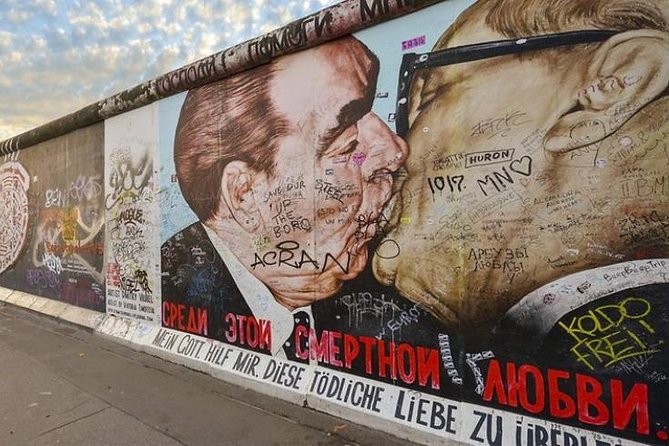
- East Side Gallery included: You see and touch a surviving section of the Berlin Wall covered in political street art.
- Small group format: The tour has a maximum of eight people, useful for questions and a more relaxed pace.
- Strong guide element: Lee, Elena, Tiago, and Will have each been praised for explaining Berlin’s food, culture, and past.
- Plan for a full stomach: Portions can add up quickly, so skipping breakfast may be sensible for many people.
Berlin’s food story begins in Friedrichshain
Meet at Industriepalast Hostel on Warschauer Strasse at noon. The listed duration is about three and a half hours, and the walk finishes at U Kottbusser Tor, served by the U8 and U1 lines. That end point is handy if you plan to continue exploring Kreuzberg afterward.
Friedrichshain gives the tour its opening frame. This former East Berlin neighborhood is tied to revolutionary East Berliners, Communist-era life, and the city’s creative culture. You are not simply passing through a restaurant district. The guide uses the streets to explain how Berlin changed after the war and after reunification.
The first stop is brief, about 20 minutes, so do not expect a long neighborhood tour here. Its role is to set up the larger East and West Berlin story before the food begins in earnest.
More street art tours in Berlin:
- Berlin: City Street Art Guided Walking Tour
★ 4.8 · 886 reviews - Berlin: 3-Hour Street Art Tour
★ 4.7 · 778 reviews - Berlin Street Art Walking Tour – Off The Grid
★ 5.0 · 270 reviews
The East Side Gallery turns the Berlin Wall into an art stop
The East Side Gallery is one of the clearest visual links between Berlin’s political past and its current art scene. You will see one of the longest remaining sections of the Berlin Wall, now covered with murals and political artwork.
The stop lasts around 20 minutes. That is enough to focus on the wall and hear its story, but not enough for a detailed study of every mural. The guide points out how artists used the former border as a public message board, turning a symbol of division into a place for political and personal expression.
This is one of the tour’s strongest features because it gives the food stops some weight. The wall is not treated as a photo backdrop alone. It helps explain why Berlin’s art, nightlife, and independent food culture developed with such force after the city was divided and reunited.
Crossing into Kreuzberg changes the tone
The route then moves toward Kreuzberg, once part of West Berlin. Expect about 30 minutes in the neighborhood, with talk of its bars, food, urban culture, and past.
Kreuzberg is where the tour’s East Meets West idea becomes most visible. The area is tied to Turkish immigration, alternative culture, and new food businesses. You will hear how Turkish residents helped rebuild parts of the neighborhood during the 1980s and 1990s, changing its character and creating the Berlin Turkish food scene you see today.
The guide may also connect the streets to darker chapters, including Nazi Germany and the SS soldiers who once moved through these areas. That material gives the walk a serious edge. This is not a tour that treats Berlin as only cool murals and inexpensive snacks.
Schnitzel and currywurst explain Berlin better than a museum label
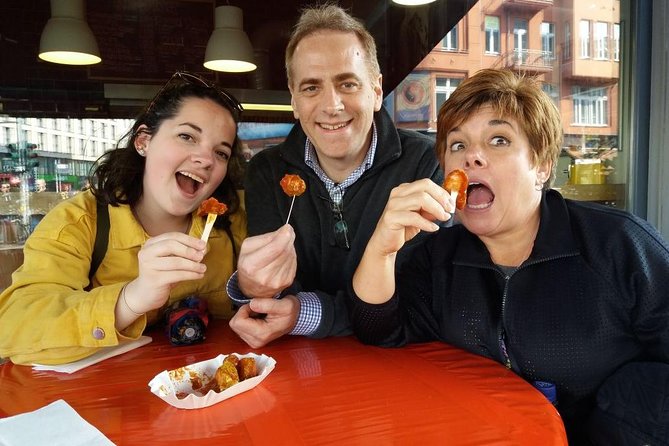
At Scheers Schnitzel, you stop at a Berlin institution for schnitzel served in the local style. The listed tasting lasts about 15 minutes, so this is a compact food stop rather than a long restaurant meal.
Later, Ketels Curry introduces the story of currywurst, one of Berlin’s most famous street foods. The appeal here is the story behind the dish, including a version of its origin that many Berlin residents may not know. The tour uses currywurst to show how a simple food can become part of a city’s identity.
These stops should suit you if you want classic Berlin foods explained in context. They are less useful if you expect generous sit-down meals at every stop. Six tastings are included across the tour, but the experience is built around sampling many places rather than lingering over a large entrée.
A different sort of day out in Berlin:
- Berlin: Reichstag, Dome and Government District Guided Tour
★ 4.7 · 18,288 reviews - Berlin: 1-Hour City Tour by Boat with Guaranteed Seating
★ 4.3 · 16,993 reviews - Berlin: Boat Tour Along the River Spree
★ 4.4 · 11,252 reviews - Discover Berlin Half-Day Walking Tour
★ 5.0 · 9,624 reviews
Street art gives Kreuzberg its visual language
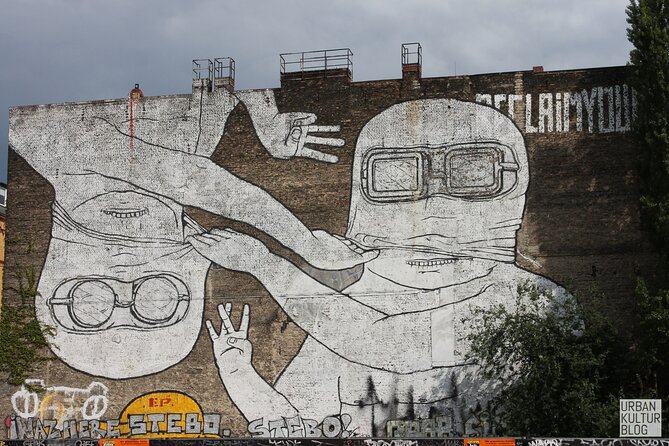
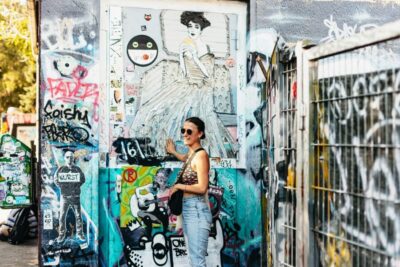
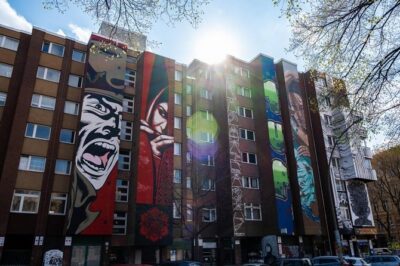
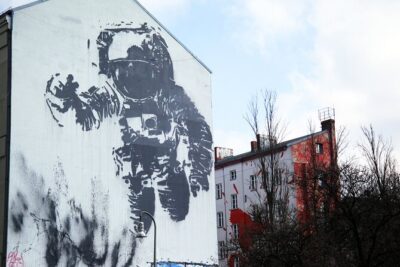
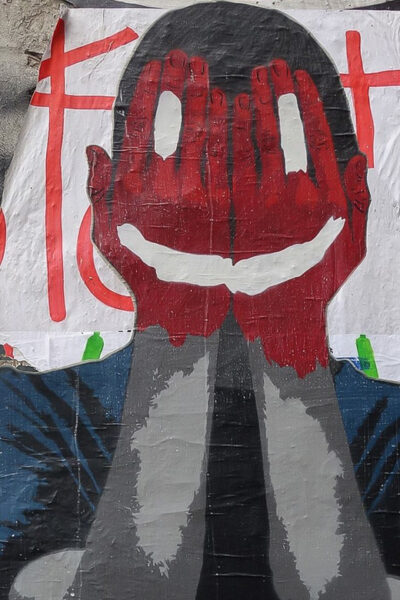
Kreuzberg is described as a European center for street art, and the tour makes a point of showing at least one world-famous mural. The stop lasts about 15 minutes.
Street art here is not presented as decoration alone. The guide connects murals to the stories of East and West, immigration, politics, and Berlin’s uncertain future. You might find this section especially useful if you have seen the large works online but want help placing them within the neighborhood.
The short time limit is worth noting. This is an introduction, not a full street-art walk. If murals are your main reason for booking, you may want a separate art tour or extra time in Kreuzberg after the food walk ends.
Ukrainian food shows Berlin’s newer migration story
Slava Berlin offers Ukrainian soul food and nalivanki, with a focus on a modern Ukrainian story in Berlin. The restaurant is women-led by immigrants, which adds a human angle to the tasting.
This stop helps keep the tour from becoming a simple survey of old Berlin dishes. You get a look at how newer communities add to the city’s food culture, just as Turkish residents reshaped Kreuzberg decades earlier.
The stop is scheduled for about 20 minutes. You will have time to taste and ask questions, but the focus remains on the wider food route rather than a long meal. If you have dietary needs, tell the operator when booking. A vegetarian option is available, but specific substitutions are not promised in the supplied details.
Markthalle Neun shows the city’s independent food side
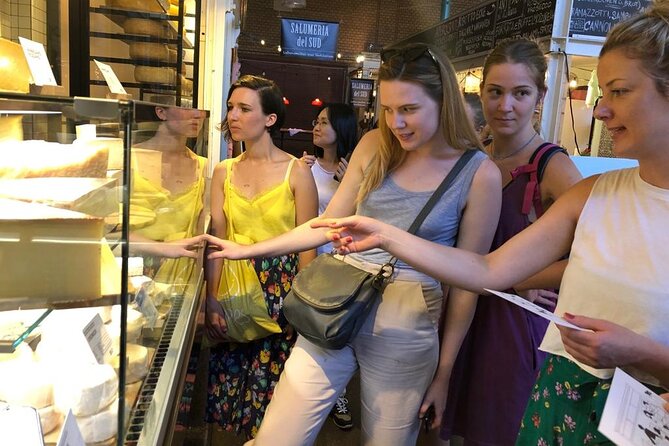
Markthalle Neun is one of the longer stops, at about 30 minutes. The restored market hall dates from the early 1900s and survived wartime destruction and later pressure to become a more commercial venue.
Today, its role is to bring food and drink producers together with Berlin residents. The guide uses the hall to explain the city’s current food scene, including independent makers, local producers, and changing ideas about what a market can be.
This is a useful stop for you if you want more than traditional German food. It shows the modern side of Berlin’s eating culture, where old market spaces support new businesses and food events. The exact stalls or tastings can vary, so you should not book this expecting a fixed menu inside the hall.
Turkish street food is central to the route
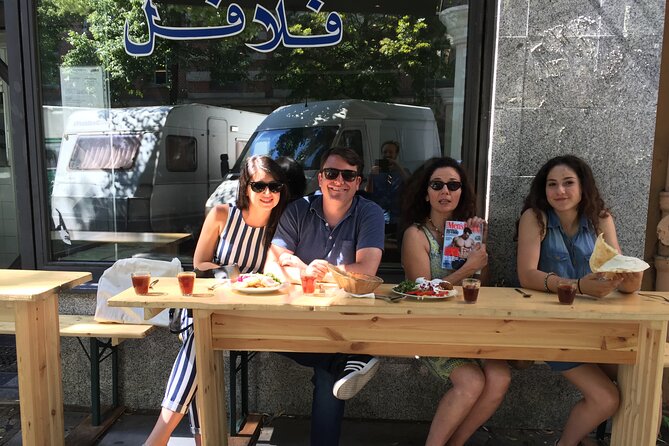
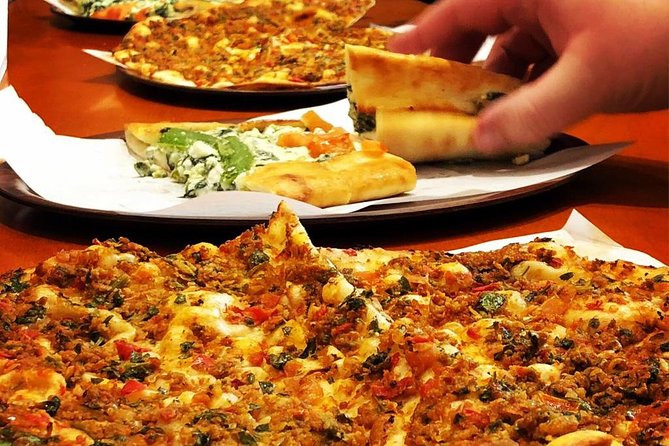
At Leylak, the tour focuses on Anatolian street food. The stop lasts about 20 minutes and highlights the Turkish influence on Kreuzberg and Berlin’s large Turkish community.
This is one of the most important food sections because it explains why Turkish cooking is not a side note in Berlin. It is part of the city’s everyday food identity. You get a taste of recipes connected to Anatolia while hearing how Turkish residents helped shape the neighborhood through their work, shops, and restaurants.
The tour description refers to Little Istanbul, an area associated with Berlin’s large Turkish population. Do not expect a separate full neighborhood excursion, though. The route moves on quickly, and the value comes from connecting a specific tasting to the larger story of migration and urban change.
Vegan doughnuts finish the walk on a modern note
Brammibal’s Donuts at Maybachufer provides a sweet finish with vegan doughnuts. The stop is about 20 minutes.
This choice reflects Berlin’s modern food habits. The tour presents the city as a leading European destination for vegan eating, and the doughnuts give you a clear example of how plant-based food has moved beyond basic health food.
It is also a practical way to end a long tasting route. By this point you may already be full from schnitzel, Turkish food, currywurst, and Ukrainian dishes. The doughnut is likely best treated as a final sample rather than an extra meal.
What you actually eat and drink
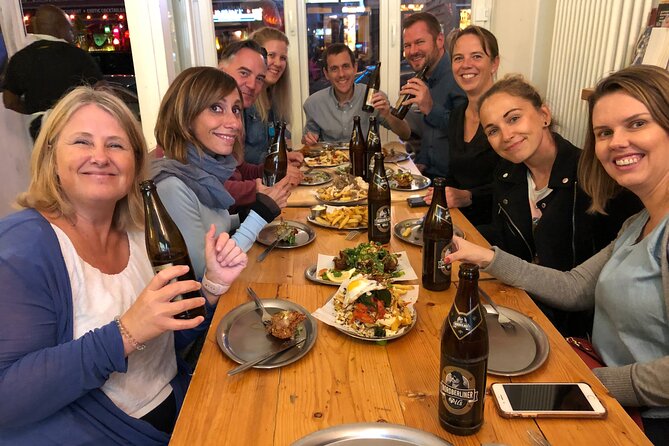
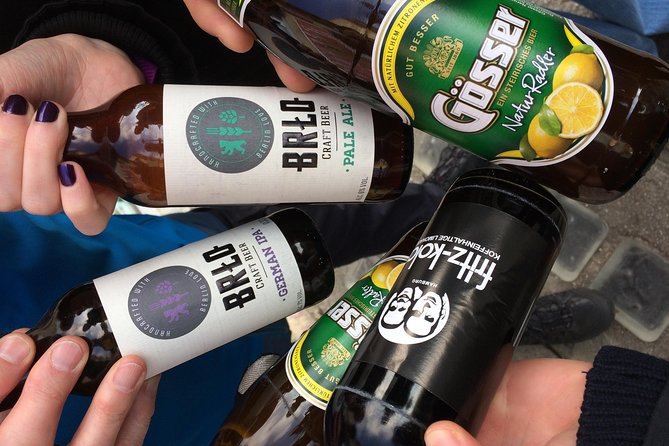
The tour includes six local tastings, food samples, beverages, and a Berliner Pilsner. The itinerary lists more than six food-related stops, so not every stop should be read as a separate full tasting. Some are neighborhood, art, or market visits that support the food story.
The range is the main attraction:
- Berlin schnitzel
- Currywurst
- Turkish and Anatolian street food
- Ukrainian food and nalivanki
- Vegan doughnuts
- Coffee and other drinks
One person who took the tour found the portions large enough to skip dinner afterward. I would take that seriously and eat a light breakfast, especially if you tend to fill up quickly. Another person felt the food stops were inexpensive and not strong enough to justify the price, so your value judgment will depend on how much you care about the guide’s stories and the variety of samples.
How the guides shape the experience
The small group is important here. With no more than eight people, you can ask about Berlin’s neighborhoods, food traditions, the wall, or the city’s political past without shouting over a large crowd.
The named guides include Lee, Elena, Tiago, and Will. Lee has been praised for taking people to unusual food places and explaining both cuisine and local areas. Elena’s style has been described as story-led, with attention to Berlin’s people, culture, and changing neighborhoods. Tiago has been singled out for explaining food and local history clearly, while Will has been praised for his command of Berlin’s past and present.
Guide quality can shape a food walk more than the menu does. You are paying for interpretation as well as tastings. If your guide is strong, a modest snack can become a useful lesson in immigration, politics, and city life. If you want only premium food, this may not be the right tour for you.
Walking, transport, and timing tips
The tour involves a moderate amount of walking, with stops spread between Friedrichshain and Kreuzberg. Wear comfortable shoes. A rain jacket or poncho is sensible because the experience runs outdoors between tastings.
You need to buy your own BVG transport ticket. The meeting point is near public transport, and the end is at U Kottbusser Tor on the U8 and U1 lines. The operator may change the meeting time or point by season, then confirm the details by email before departure, so check your message rather than relying only on the original booking information.
The activity is offered in English. Service animals are allowed, and most people can take part, but the walking requirement matters if you have limited mobility.
Is $169.38 a fair price?
At $169.38 per person, this is a premium food walk. The cost makes more sense if you value a compact introduction to several Berlin neighborhoods, a small group, a local guide, six tastings, drinks, and a clear East-West history lesson.
It makes less sense if you measure value mainly by the price of each snack. Several stops are casual and inexpensive by design. You are not buying a luxury dining experience. You are buying a guided route through Berlin’s food culture, with enough samples to replace part of a meal and enough context to help you understand what you are eating.
The tour is recommended by 97 percent of participants and has a 4.9 rating from 157 reviews, which points to a strong overall experience. Still, the lower score raises a fair concern: expectations matter. Book it for stories, neighborhood access, and variety. Do not book it solely for high-end food.
Who should book this Berlin food walk?
I would recommend it to first-time visitors who want a quick orientation to Friedrichshain and Kreuzberg, especially if food helps you understand a city. It also suits repeat visitors who have seen the main monuments and want a more local look at Turkish, Ukrainian, vegan, and classic Berlin cooking.
You should also consider it if you enjoy asking questions. The small group and guide-led format are built for conversation.
I would be more cautious if you dislike walking, need a fixed meal schedule, or want a detailed street-art tour. The route gives you a taste of each subject, not an exhaustive treatment of any one of them. Vegetarian visitors can request an option, and anyone with dietary restrictions should provide those details at booking.
Should you book it?
Book this tour if you want Berlin explained through food, migration, street art, and the former city divide. The strongest parts are the small group, the range of cuisines, the East Side Gallery, and the guides’ ability to connect everyday dishes with Berlin’s past.
Skip it if $169.38 feels too high for casual tastings or if you want a long meal at one restaurant. For the right person, this is a filling and useful way to get from Friedrichshain to Kreuzberg while seeing how Berlin’s complicated past still shapes what people eat today.
FAQ
How long does the Berlin food and street art tour last?
The tour lasts approximately three hours and 30 minutes.
Where does the tour begin?
It begins at Industriepalast Hostel, Warschauer Strasse 43, 10243 Berlin, Germany.
Where does the tour end?
The walk ends at U Kottbusser Tor, which is served by the U8 and U1 lines.
How many people can join the tour?
The maximum group size is eight travelers.
Are vegetarian options available?
Yes. A vegetarian option is available, and you should advise the operator of dietary requirements when booking.
Is public transportation included?
No. A BVG transport ticket is not included in the tour price.
More food tours in Berlin
- Berlin Center Food Tour with 8+ Authentic Local Tastings
★ 5.0 · 1,227 reviews - Kreuzberg: Culinary Food Tour
★ 4.5 · 770 reviews - Berlin: Mitte Culinary Food Tour
★ 4.5 · 447 reviews - Berlin: 3-Hour Secret Food Tour
★ 4.8 · 269 reviews
Newest Berlin reviews
- Where It All Began: Berlin’s Queer & Trans History Tour★ 4.9 · 6 reviews
- Understanding Kreuzberg: The roots of local (sub)culture★ 4.9 · 11 reviews
- Berlin: guided canoe | kayaktour★ 4.1 · 7 reviews
- Private Potsdam City Tour in an authentic vintage van★ 5.0 · 14 reviews
- Warnemünde Shore Excursion: Private Sachsenhausen and Berlin Tour★ 5.0 · 12 reviews
- Ultimate E-Bike Tour of Berlin with Beer Garden Stop★ 5.0 · 4 reviews
- In the Forbidden City – Potsdam Walking Tour★ 5.0 · 17 reviews
- Private Walking Tour of Potsdam and Sanssouci★ 5.0 · 24 reviews
Berlin Street Art Tours, compared.


Street Art and Alternative Tour of Berlin in French
Read our review →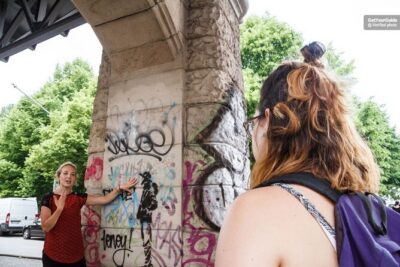
Browse the lists this tour appears in