
Reviewed · TOURS
The Old Berlin Tour: Travel Through Time With a Historian
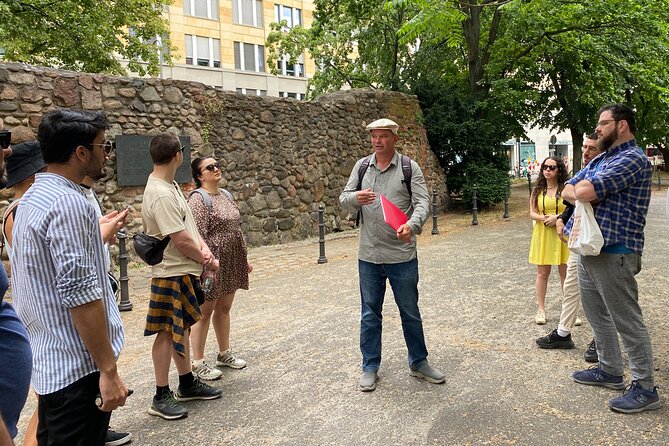
Berlin’s center is a stack of vanished streets, rebuilt churches, royal ambitions, wartime destruction, and modern repairs. This two-hour walk with historian Sean Stewart focuses on reading those layers instead of simply collecting photographs.
I like the small maximum of eight people, which should make questions and conversation easier, and I like the route’s gentle pace through places many first-time visitors might pass without understanding. The $23 price is also fair for a professional historian-led walk. The main limitation is that the advertised route covers only a small part of Berlin, so you should not expect a full visit to every major 20th-century site or a dedicated Berlin Wall tour.
Key Points About This Berlin History Walk
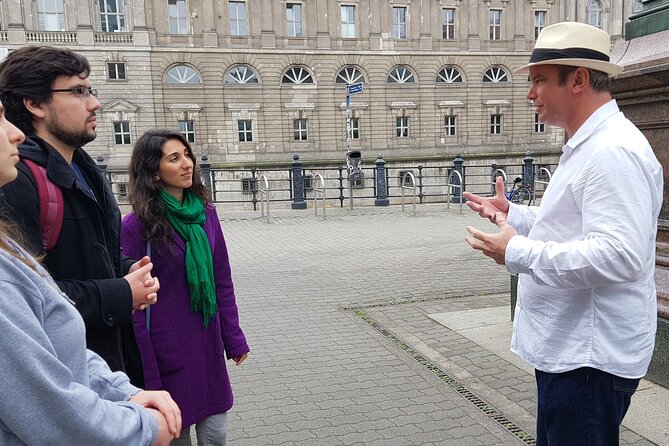
- A historian leads the tour: Sean Stewart explains Berlin through its political changes, lost buildings, contradictions, and surviving fragments.
- Four central stops: The route visits Alexanderplatz, Franziskaner Klosterkirche, St. Mary’s Church, and Nikolaiviertel.
- A compact, easy-paced route: Each listed stop receives about 15 minutes, with time also needed to walk between them.
- A useful starting point: Meet at Espresso House Alea 101 near Alexanderplatz Station at 11 a.m.
- A small group by design: The activity accepts a maximum of eight people.
- A strong value for history-minded visitors: At $23, the price is modest for a guided walk led by a professional historian.
Why This Route Helps You Read Berlin
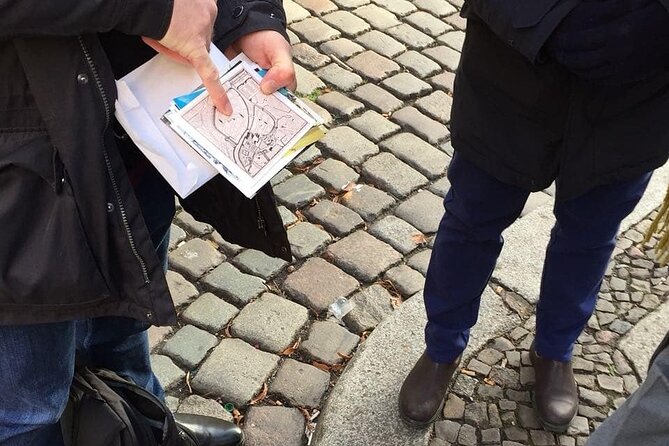
Berlin can feel confusing because its center does not present one tidy story. Medieval buildings sit beside reconstructions. Open spaces mark places that no longer exist. Churches and courtyards carry clues to older versions of the city, while modern Berlin often hides or reworks what came before.
That is the useful idea behind this walk. Instead of treating each stop as an isolated sight, Sean Stewart connects the places to changes in power, urban planning, religion, war, and memory. You are not just told that a building is old. You are shown why it survived, why it vanished, or why it had to be rebuilt.
The experience is aimed at people who want context. If you prefer a quick list of famous landmarks, the pace may feel slower than a standard sightseeing stroll. If you enjoy asking why Berlin looks the way it does, the format should suit you well.
The route also reaches beyond a simple medieval story. The tour overview covers German history from the Middle Ages through the Berlin Wall period. That broad span gives you a framework for understanding Berlin’s later political changes, even though the listed stops are concentrated in the historic center.
Other Berlin tours worth putting on the same trip:
- Berlin: Reichstag, Dome and Government District Guided Tour
★ 4.7 · 18,288 reviews - Berlin: 1-Hour City Tour by Boat with Guaranteed Seating
★ 4.3 · 16,993 reviews - Berlin: Boat Tour Along the River Spree
★ 4.4 · 11,252 reviews
Starting at Alexanderplatz at 11 a.m.
Your meeting point is Espresso House Alea 101 at Rathausstraße 6, near Alexanderplatz Station. This is a practical place to begin because Alexanderplatz is well served by public transportation and easy to find in central Berlin.
The first stop looks at vanished streets and buildings around Alexanderplatz. That phrase is more important than it may sound. Berlin’s central spaces have changed so much that today’s open areas can conceal earlier streets, structures, and patterns of daily life.
A guide who explains what is missing can make Alexanderplatz more interesting than a quick look at its present-day appearance. You may begin to notice that an empty stretch of pavement or a modern building is also part of the historical story. Berlin often requires you to picture what stood in front of you before wartime destruction, rebuilding, and later urban changes.
The planned time here is about 15 minutes. That is enough for an introduction and a focused explanation, but not enough for every detail about the square or the surrounding city. The value comes from using this first stop as a way to understand how the rest of the walk will work.
Franziskaner Klosterkirche and a Medieval Ruin
From Alexanderplatz, the route continues to Franziskaner Klosterkirche, described as Berlin’s only medieval romantic ruin. This is one of the most unusual stops because it is not presented as a polished, complete church. Its damaged state is part of what makes it useful for understanding Berlin.
A ruin can show history in a direct way. Missing walls, exposed stone, and incomplete structures make destruction visible rather than abstract. At the same time, the site raises questions about what Berlin chooses to preserve and how an old building is given meaning in a modern city.
You will spend about 15 minutes here. That makes this a short introduction rather than an extended architectural visit. Still, the stop adds texture to the walk because it gives you something very different from the surrounding urban streets.
This is also a good place to listen closely to Stewart’s explanations. The experience is built around history rather than formal entry into a museum or long interior visit. You should expect interpretation and discussion at the site, not a lengthy self-guided examination of every architectural detail.
St. Mary’s Church and Berlin’s Medieval Past
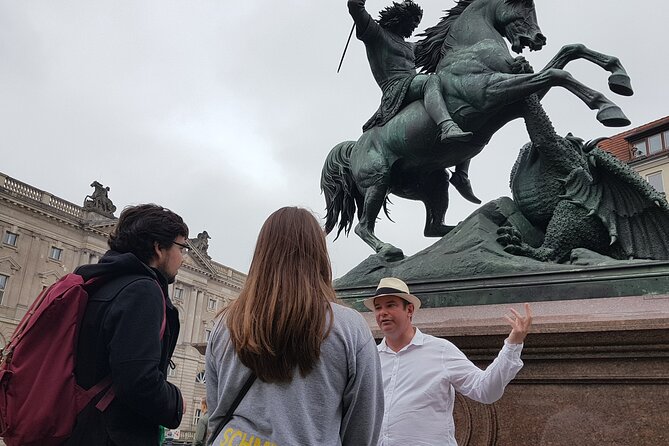
The next stop is St. Mary’s Church, an important church dating from Berlin’s medieval period. Its role in the route helps show that Berlin’s early story was not only about rulers and city plans. Religious buildings were also central markers of community, power, and time.
The stop lasts around 15 minutes. That is enough to place the church in the city’s older history and explain why it matters, but you should not assume that the tour includes a long interior visit or a full architectural lecture. The supplied details describe a guided stop, not a separate admission experience.
I like the balance here. After seeing a ruined church, you encounter an important surviving church. The contrast can help you think about the different ways old Berlin remains visible: sometimes as a complete building, sometimes as a damaged fragment, and sometimes through the shape of streets and public spaces.
Because the route is centered on explanation, you will get more from this stop if you are willing to look beyond the most obvious façade. Ask questions if you want to know how the church fits into Berlin’s changing story. The small group makes that more practical than it would be on a large coach-style outing.
A different sort of day out in Berlin:
- Discover Berlin Half-Day Walking Tour
★ 5.0 · 9,624 reviews - Berlin: Hop-on Hop-off Bus Tour with Live Commentary
★ 4.3 · 8,579 reviews - Berlin: Government District around the Reichstag Guided Tour
★ 4.7 · 8,447 reviews - Berlin: Reichstag, Plenary Chamber, Cupola & Government Tour
★ 4.6 · 8,422 reviews
Nikolaiviertel, Berlin’s Reconstructed Medieval Quarter
The final listed stop is Nikolaiviertel, often described here as Berlin’s reconstructed medieval Disneyland. That pointed description tells you how to approach it. This is not simply an untouched medieval neighborhood preserved exactly as it was. It is a reconstruction, and that fact is central to its interest.
Nikolaiviertel lets you consider the difference between old buildings and a modern recreation of an older setting. Reconstructed places can help people picture the past, but they can also simplify it or give it a polished appearance. Berlin’s history is full of those tensions, and this quarter gives Stewart a clear way to discuss them.
The planned visit lasts about 15 minutes. You will likely have time to look at the quarter’s character and hear why it matters, but not enough for a detailed inspection of every lane or building. The short stop works best as part of the larger argument: Berlin’s past is sometimes preserved, sometimes destroyed, and sometimes rebuilt.
This may be the most revealing stop for anyone interested in how cities present their own history. You are not asked to accept a reconstructed district as an untouched relic. Instead, you can think about what reconstruction says about modern Berlin’s desire to remember its medieval beginnings.
From Medieval Berlin to the Berlin Wall
The tour promises a broad explanation of German history, stretching from medieval times to the Berlin Wall. That range is useful because Berlin’s present cannot be understood through its medieval center alone.
Still, you should set your expectations correctly. The listed itinerary names four central stops and finishes at Berlin Cathedral. It does not identify a separate Berlin Wall memorial or a dedicated visit to a Wall site. I would treat the 20th-century material as historical context woven into the walk, not as the main physical focus.
That distinction matters when you compare this experience with other Berlin tours. If your main goal is to see the Wall, former border crossings, or Cold War memorials, you will need another activity. If you want a clear story of how Berlin changed across several eras, the broad time span is more useful.
The guide’s approach appears to favor connections and contradictions. One especially valuable part of the experience is learning that Berlin is not a city with one clean identity. Its streets have been moved, buildings have disappeared, and old settings have been recreated. That gives you a better base for exploring other parts of the city on your own.
Finishing at Berlin Cathedral
The walk ends at Berlin Cathedral on Am Lustgarten. This is a convenient finish because you remain in central Berlin and can continue sightseeing from there.
The ending also gives the route a natural sense of place. You begin near Alexanderplatz and finish among some of central Berlin’s best-known sights, while the stops in between focus on less obvious layers of the city. The tour is therefore easy to add to a day of sightseeing, especially if you want a history lesson before visiting more major attractions.
The total duration is about two hours. Since the four named stops are each allotted roughly 15 minutes, some of the remaining time is taken up by walking and guide commentary between them. That is a reasonable length for a city walk, but wear comfortable shoes and be prepared to remain outdoors for most of the activity.
Food and drinks are not included. Plan to eat before or after the walk, especially since the 11 a.m. start may fall between breakfast and lunch.
What Sean Stewart Adds to the Experience
The strongest reason to choose this walk is the guide. Sean Stewart is identified as a professional historian and English-speaking guide, and the tour is designed around his ability to explain Berlin rather than simply point out buildings.
His approach appears especially suited to people who have already seen the standard sights. He can adjust the discussion based on whether you know Berlin well and what you want from the walk. That matters in a city where one person may need a basic historical outline while another wants less familiar details about courtyards, vanished streets, or reconstructed districts.
The experience also avoids making photography the only goal. You will certainly see attractive and important places, but the point is to understand what they reveal. I would choose this tour if you want to leave with questions and connections in your head, not just a folder of pictures.
Past comments about Stewart describe him as someone who knows Berlin’s courtyards and brings out the city’s irony and contradictions. Those qualities fit the route well. Alexanderplatz, a medieval ruin, a historic church, and a reconstructed quarter all reward a guide who can explain what is not immediately visible.
Is $23 a Fair Price?
At $23, this is a good value for a two-hour guided walk, particularly because the guide is a professional historian and the group is limited to eight people. You are paying for interpretation and conversation, not admission tickets or a meal.
The low price also means you should understand what is not included. There is no food or drink, and the supplied details do not indicate entrance to paid attractions. The tour’s value comes from the route, the guide’s historical explanations, and the chance to ask questions in a small group.
For a first visit, $23 is a reasonable way to orient yourself to central Berlin. For a return visit, it may be even better because the focus goes beyond the most familiar postcard views. The tour can help you notice places you might otherwise walk past.
Who Should Book This Walk?
I would recommend it most strongly to history buffs, repeat visitors, and anyone who wants a clear explanation of how Berlin’s older layers connect to modern Germany. English speakers who enjoy asking questions should also get good value from the format.
It is less suitable if you want a fast march through every major landmark, a museum-heavy outing, or a dedicated Berlin Wall route. The pace is easy, and the stops are short, but the emphasis is on thought and context rather than entertainment alone.
The maximum group size of eight is a real advantage for people who dislike large tours. Most people can participate, and service animals are allowed. The activity is near public transportation, making the start and finish practical for a day in central Berlin.
Use the mobile ticket at booking, and make sure you arrive at the stated meeting point at Espresso House Alea 101 by the 11 a.m. start. The booking confirmation is provided at the time of purchase. Free cancellation is available up to 24 hours before the start time, while cancellations or changes inside that window are not refunded or accepted.
Should You Book The Old Berlin Tour?
Book this walk if you want Berlin explained by a historian, especially through its lost buildings, medieval remains, and reconstructed spaces. Sean Stewart’s focus on how to read the city gives the experience more substance than a simple list of sights.
Skip it if your priority is the Berlin Wall, major museum interiors, or a broad bus tour covering the whole city. For $23, though, this is a smart, small-group introduction to the historic center, with a route that asks you to look twice at places you might otherwise take for granted.
FAQ
How long does The Old Berlin Tour last?
The tour lasts approximately two hours.
Where does the tour begin?
It begins at Espresso House Alea 101, Rathausstraße 6, 10178 Berlin, Germany, near Alexanderplatz Station.
Where does the tour finish?
The tour ends at Berlin Cathedral on Am Lustgarten, 10178 Berlin.
What time does the tour start?
The stated start time is 11:00 a.m.
How many people can join the tour?
The tour has a maximum of eight participants.
Can I cancel for a full refund?
Yes. You can cancel at least 24 hours before the experience start time for a full refund. Cancellations or changes made less than 24 hours before the start time are not accepted, and no refund is provided. If poor weather or an insufficient number of participants causes cancellation, you will be offered another date or experience, or a full refund.
Newest Berlin reviews
- Where It All Began: Berlin’s Queer & Trans History Tour★ 4.9 · 6 reviews
- Understanding Kreuzberg: The roots of local (sub)culture★ 4.9 · 11 reviews
- Berlin: guided canoe | kayaktour★ 4.1 · 7 reviews
- Private Potsdam City Tour in an authentic vintage van★ 5.0 · 14 reviews
- Warnemünde Shore Excursion: Private Sachsenhausen and Berlin Tour★ 5.0 · 12 reviews
- Ultimate E-Bike Tour of Berlin with Beer Garden Stop★ 5.0 · 4 reviews
- Private Walking Tour of Potsdam and Sanssouci★ 5.0 · 24 reviews
- Potsdam Highlights – Private sightseeing tour by minibus★ 5.0 · 3 reviews
Tours, compared.
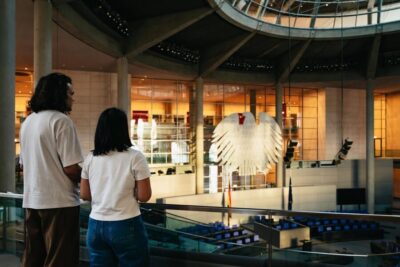
Reichstag, Dome and Government District Guided Tour
Read our review →
1-Hour City Tour by Boat with Guaranteed Seating
Read our review →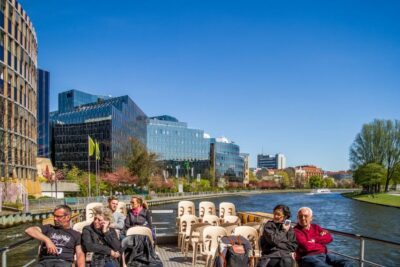

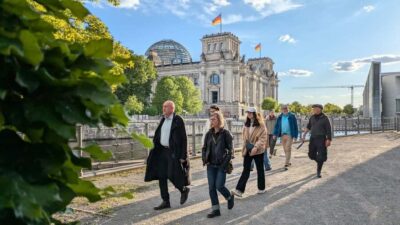
Reichstag, Plenary Chamber, Cupola & Government Tour
Read our review →