
Reviewed · SACHSENHAUSEN CONCENTRATION CAMP TOURS
From Berlin: Sachsenhausen Concentration Camp Day Trip
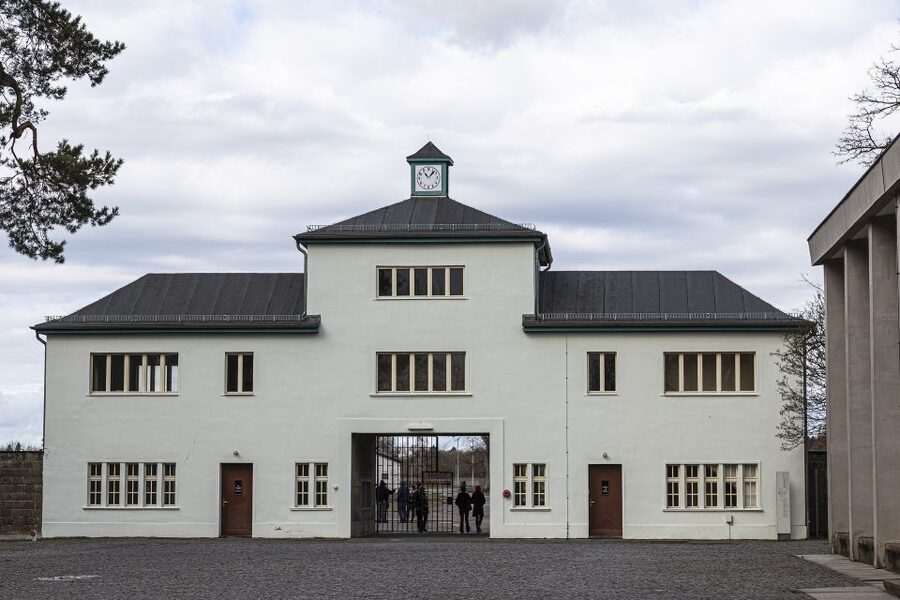
Sachsenhausen is not a sightseeing stop in the usual sense. Built in 1936 as a model concentration camp for the Nazi regime, it was designed to show how a camp should operate. Walking through its gate with a guide gives the place a human scale that a museum display alone cannot provide. The history is painful, direct, and worth confronting.
I like the small group of no more than 15 people, which makes it easier to hear the guide and ask serious questions. I also like that the tour begins with the journey from central Berlin, including help with the train ride to Oranienburg. The drawback is that the ABC-zone train ticket costs extra, and the five-hour schedule can feel demanding on a rainy or emotionally heavy day.
Key points at a glance
- A 1936 model camp: Learn why Sachsenhausen was built to serve as a template for other Nazi camps.
- A guided visit from Berlin: Meet at the Red Town Hall, travel by train to Oranienburg, and return to the same point.
- Small-group format: The group is limited to 15 people, giving you a better chance to hear and speak with the guide.
- A serious, victim-focused visit: Hear about political prisoners and other persecuted groups, then pause at the memorial.
- English-language guidance: Guides such as Tina, Will, Xavier, and Julie have led tours praised for clear explanations and thoughtful storytelling.
- Plan for the weather: The tour runs rain or shine, so proper clothing matters.
Why Sachsenhausen matters before you arrive
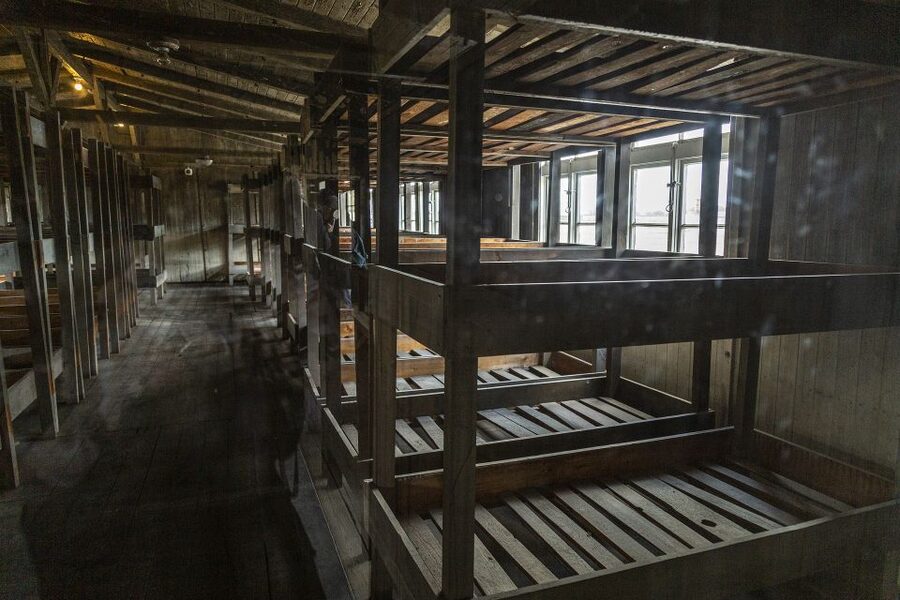
Sachsenhausen was built in 1936, before the Second World War began. It was intended to function as a model camp, both in layout and in administration. The idea was not simply to imprison people, but to create a system that could be copied elsewhere.
That detail gives the visit a grim focus. You are not only seeing the remains of one camp. You are learning how the Nazi camp system was organized and how persecution became official policy. The guide explains the events that led to the camp’s creation, then connects the site to the people who were imprisoned there and the reasons they were targeted.
You should come prepared for a serious walking tour, not a light historical outing. The purpose is to remember victims and understand the machinery of persecution. Some of the most effective moments may be quiet ones, especially when you pass through the main gate or reach the memorial.
More Sachsenhausen memorial visits from Berlin:
- Berlin: Sachsenhausen Concentration Camp Tour in English
★ 5.0 · 5,711 reviews - Berlin: Sachsenhausen Concentration Camp Memorial Tour
★ 4.7 · 3,716 reviews - Sachsenhausen Concentration Camp Bus Tour in English from Berlin
★ 5.0 · 1,962 reviews
Meeting at Berlin’s Red Town Hall
The tour begins in front of the entrance to Berlin’s Red Town Hall, or Rotes Rathaus. This is a practical meeting point in the city center, but you should allow enough time to find the correct entrance and locate your guide.
From there, the group uses public transport to reach Oranienburg. You need an ABC-zone train ticket, and it is not included in the tour price. This extra step is easy to overlook when comparing prices, so add the ticket cost to your budget before booking.
The train journey is part of the experience rather than dead time. Your guide can begin setting out the historical background and explain what you will see once you arrive. Several guides have also helped with public transport questions, which is useful if Berlin’s ticket zones or connections are unfamiliar to you.
One guide even managed to keep the visit on track when train service stopped unexpectedly. That does not mean transport problems will always be resolved so neatly, but it shows why traveling with a guide can be useful. You are not left to work out the route alone while trying to protect the limited time at the memorial site.
Entering through the main gate
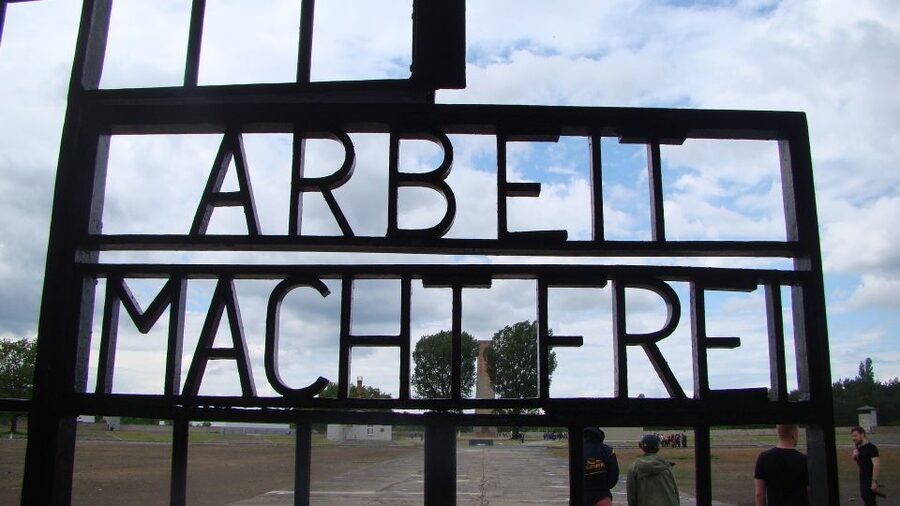
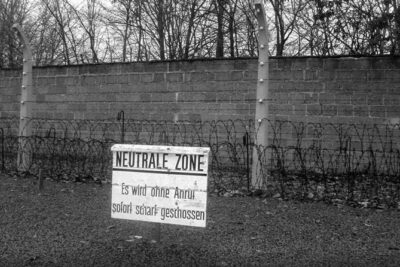
At Sachsenhausen, the group enters through the camp’s main gate. This is one of the most powerful points of the visit because the gate marks the shift from an ordinary day in Berlin to a place shaped by imprisonment, forced labor, and systematic cruelty.
Your guide explains how the camp functioned and why the main entrance mattered. The focus is not on dramatic presentation. The strength of the visit comes from putting the physical site together with the historical facts.
The tour also examines both the people who carried out the system and those who suffered under it. That balance matters. It helps you understand that atrocities were not random acts of violence, but part of an organized structure with officials, guards, rules, categories, and punishments.
You may find that the guide’s pace affects the whole visit. A strong guide needs to explain enough without turning the tour into a lecture. Tina has been praised for using quotations and poems connected to people held at the camp. Will has been described as passionate, clear, and easy to listen to. Those details suggest the best guides bring the history back to individual lives rather than leaving it as a list of dates.
Understanding who was imprisoned there
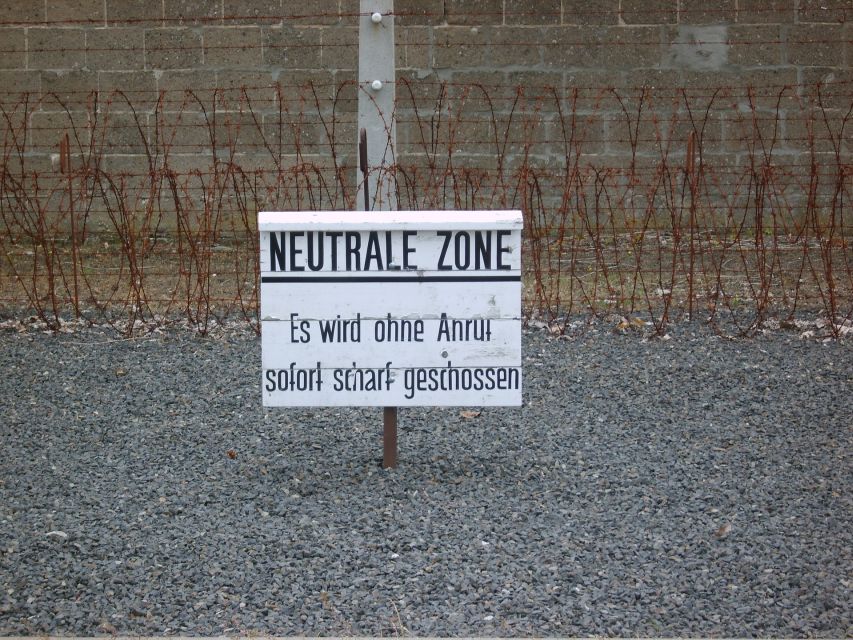
A central part of the walking tour is learning who was held at Sachsenhausen and why the Nazi regime targeted each group. The camp held political prisoners and members of other persecuted groups. Your guide explains the categories used by the regime and the way those labels shaped people’s treatment.
This is one reason a guided visit is more useful than walking around alone. Without context, the site can seem like a series of buildings, empty spaces, and memorials. With context, each part connects to a wider story about Nazi policy, imprisonment, and the destruction of human rights.
The guides also share individual stories, including accounts connected to people imprisoned at Sachsenhausen. One guide was praised for explaining survivor stories and unusual details without losing sight of the larger subject. That kind of storytelling can help you understand the camp as a place filled with real people, not only as a symbol.
If you visit with children, think carefully about their age and temperament. One family found the tour understandable and meaningful for two children because Will explained the subject in a clear way. Still, this is difficult material. Parents should prepare children in advance and decide how much detail is appropriate for them.
More day trips from Berlin:
- Berlin Complete in one day
★ 5.0 · 222 reviews - Private Tour: Potsdam Day Trip from Berlin
★ 4.5 · 43 reviews - Private Day Trip to Potsdam from Berlin by Train
★ 4.5 · 27 reviews - Berlin in one day – day tour with an expert guide
★ 5.0 · 14 reviews
The memorial and the need for quiet
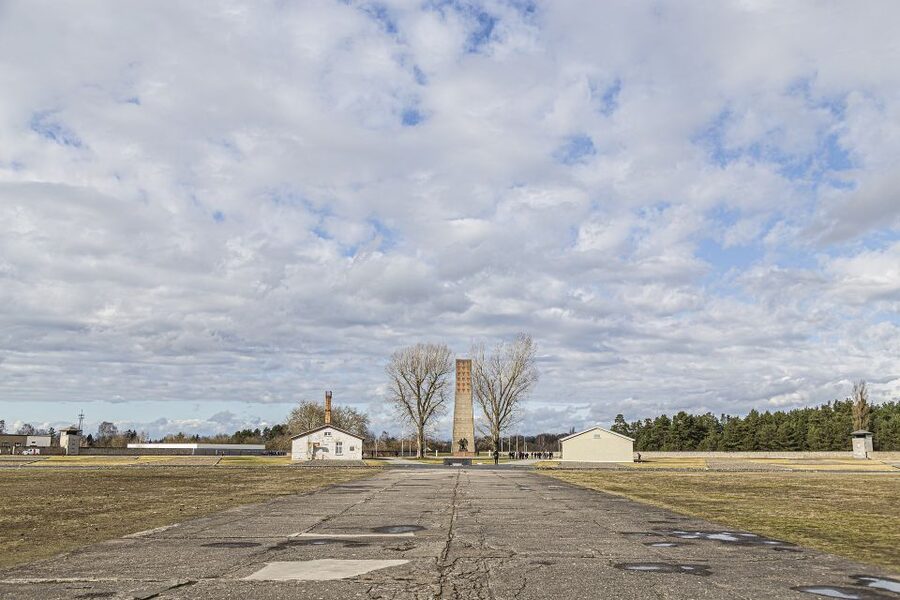
The tour includes time at the memorial to the victims. This is the natural point to slow down and reflect on what you have seen and heard.
A good guide knows when to explain and when to leave space for silence. The memorial is not simply another stop on a schedule. It gives you a chance to pay your respects and think about the human cost of the policies discussed during the walk.
The emotional effect will differ from person to person. Some people find the visit eye-opening. Others may feel overwhelmed or need time afterward before returning to the pace of Berlin. You should not plan a packed afternoon immediately after the tour if you know that difficult historical sites affect you strongly.
A five-hour schedule from central Berlin
The full activity lasts about five hours. That includes meeting in central Berlin, the train journey to Oranienburg, the walking tour at Sachsenhausen, and the return to the Red Town Hall meeting point.
This is a useful length for the subject. A shorter trip might rush the history and leave too little time at the site. Five hours gives the guide room to explain the camp’s origins, the prisoner groups, the Nazi system, and the memorial without reducing everything to quick facts.
The tradeoff is energy. You will spend much of the day moving between transport and outdoor areas. The tour takes place rain or shine, so your comfort depends heavily on what you wear. Bring weather-appropriate clothing, and consider extra protection from rain or cold if the forecast looks uncertain.
Starting times vary by date, so check availability before planning the rest of your day. Since the activity ends back at the original meeting point, you can continue exploring central Berlin afterward, but allow yourself some breathing room.
What the $32 price really covers
At $32 per person, this is a relatively low-cost way to visit Sachsenhausen with an English-speaking guide. The price includes admission to the concentration camp and the guided tour.
It does not include the ABC-zone train ticket, hotel pickup, or hotel drop-off. The ticket is an important added cost, though it is also a normal part of reaching Oranienburg by public transport. You are paying mainly for the guide’s time, historical preparation, entry arrangement, and help with the journey.
The value depends on what you want from the visit. If you only need transportation and a place to walk around, you could prefer visiting independently. If you want the history explained as you move through the site, the price is more convincing. The guide helps connect the camp’s physical remains with the people and policies behind them.
The small-group limit improves the value. A group of up to 15 is large enough to keep the price down but small enough for the guide to answer questions. The strongest comments about the tour focus on the guides’ explanations, organization, and ability to make difficult material understandable. That is exactly where this experience earns its fee.
Guide quality and the human side of the tour
The guide is the most important variable here. The tour has been led by Tina, Will, Xavier, and Julie, among others. Their approaches may differ, but the strongest descriptions point to clear explanations, personal stories, and room for questions.
Tina has been praised for explaining how the camp system began and for bringing in poems and quotations. Will is described as passionate and easy to follow, with a style that worked well for a family traveling with children. Xavier has been praised for his strong command of the subject, while Julie made such a good impression that one couple chose to join her free walking tour the next day.
You should not expect an entertainment-style performance. The subject calls for restraint. A good guide keeps the tour accessible without making the material feel casual, and gives you enough context to understand why each stop matters.
The group format also affects the tone. With only 15 people, you can ask about details that concern you, though the guide still needs to keep the group moving. If you prefer a private tour with unlimited time at each point, this is not that experience. It is a shared educational visit with a fixed schedule.
Practical preparation for a respectful visit
Wear shoes and clothing suitable for several hours of walking and public transport. The tour runs in all weather, and the site is not an indoor-only museum experience. A rain jacket, warm layers, or sun protection may make a major difference to your concentration.
Bring your public transport ticket, or be ready to purchase the required ABC-zone ticket. Since the ticket is not included, handle this before the group leaves Berlin so you are not scrambling at the meeting point.
Arrive at the Red Town Hall entrance with enough time to find the guide. The activity begins there and ends there, so you do not need to arrange a separate return from Oranienburg.
Most important, allow yourself the right frame of mind. This is a memorial site connected to mass persecution and suffering. You can ask questions, but respectful behavior matters. Keep your attention on the guide, give others room to reflect, and avoid treating the visit as a casual photo stop.
The tour is wheelchair accessible, which makes it an option for visitors who need accessible arrangements. You should still confirm the current practical details when booking, especially if you have specific mobility needs.
Who should book this Sachsenhausen tour?
I would recommend this tour if you want a guided introduction to Sachsenhausen and prefer not to manage the train journey and historical context alone. It suits first-time visitors to the memorial, people with a serious interest in Nazi history, and anyone who values personal stories alongside dates and facts.
It also works well if you want a smaller group. The 15-person limit is more personal than a large coach excursion, and the guides have been praised for answering questions and helping with transport.
I would think twice if you want a light half-day activity or if you have little time for an emotionally demanding visit. The five-hour schedule is not hard because of physical distance alone. The subject itself requires attention and reflection.
At $32 plus the train ticket, this is a fair choice for a guided memorial visit. Book it if you want clear English explanations, a planned route from central Berlin, and help connecting the site to the wider Nazi camp system. Visit independently only if you already know the history and are comfortable arranging the transport and interpreting the site for yourself.
FAQ
Where does the Sachsenhausen tour begin?
The tour begins in front of the entrance to Berlin’s Red Town Hall, also called Rotes Rathaus.
Where does the tour end?
The activity ends back at the Red Town Hall meeting point in central Berlin.
How long does the tour last?
The tour lasts about five hours, including travel between Berlin and Oranienburg and the guided visit at Sachsenhausen.
Is the train ticket included?
No. You need to purchase an ABC-zone public transport ticket separately.
Is entry to Sachsenhausen included?
Yes. Entry to Sachsenhausen Concentration Camp is included in the activity.
What language is the tour in?
The live guided tour is conducted in English.
Is the tour suitable for wheelchair users?
The activity is listed as wheelchair accessible.
What should I bring?
Bring weather-appropriate clothing and your public transport ticket. The tour takes place rain or shine.
Newest Berlin reviews
- Where It All Began: Berlin’s Queer & Trans History Tour★ 4.9 · 6 reviews
- Understanding Kreuzberg: The roots of local (sub)culture★ 4.9 · 11 reviews
- Berlin: guided canoe | kayaktour★ 4.1 · 7 reviews
- Private Potsdam City Tour in an authentic vintage van★ 5.0 · 14 reviews
- Warnemünde Shore Excursion: Private Sachsenhausen and Berlin Tour★ 5.0 · 12 reviews
- Ultimate E-Bike Tour of Berlin with Beer Garden Stop★ 5.0 · 4 reviews
- Potsdam Highlights – Private sightseeing tour by minibus★ 5.0 · 3 reviews
- In the Forbidden City – Potsdam Walking Tour★ 5.0 · 17 reviews
Sachsenhausen Concentration Camp Tours, compared.
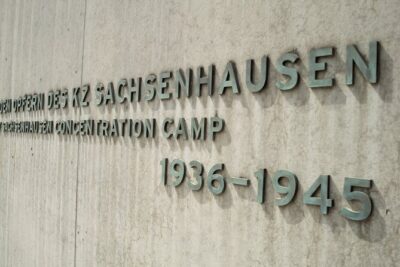
Sachsenhausen Concentration Camp Tour in English
Read our review →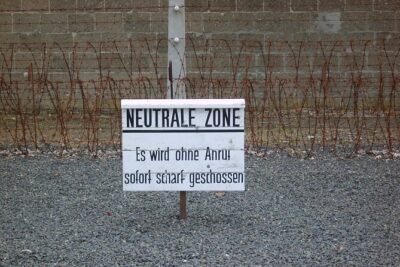
Sachsenhausen Concentration Camp Memorial Tour
Read our review →
Sachsenhausen Concentration Camp Bus Tour in English from Berlin
Read our review →Sachsenhausen Concentration Camp Tour in English
Read our review →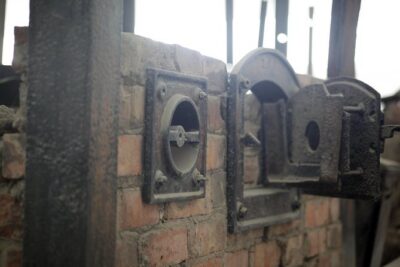
Sachsenhausen Concentration Camp Memorial Tour (Max. 15 Guests)
Read our review →
Sachsenhausen Concentration Camp and Potsdam Tour
Read our review →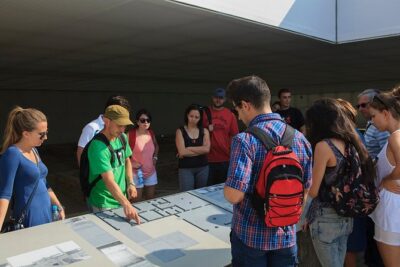
Visita en español al campo de concentración Sachsenhausen
Read our review →Browse the lists this tour appears in