

Reviewed · BERLIN
Berlin: David Bowie in 1970s West-Berlin
David Bowie’s Berlin was not a backdrop. It was part of the music. This private tour follows the artist through the West Berlin of the late 1970s, linking his move from Los Angeles and the film The Man Who Fell to Earth with the city, people, clubs, and sounds that shaped his work.
I like the way the route mixes major Bowie landmarks, such as Hansa Studios, with former nightlife spots that now survive mainly in memory. I also like the personal scale: Martin Sauter leads a private group, so he can adjust the conversation to your interest instead of delivering a fixed speech.
The main drawback is the price, $288 per person for three hours. That can be fair for a private specialist tour, especially for a small group, but it is a serious expense if you only want a quick photograph outside Hansa Studios. Some locations are also viewed from outside, and several former clubs no longer exist.
Key points about the Bowie tour
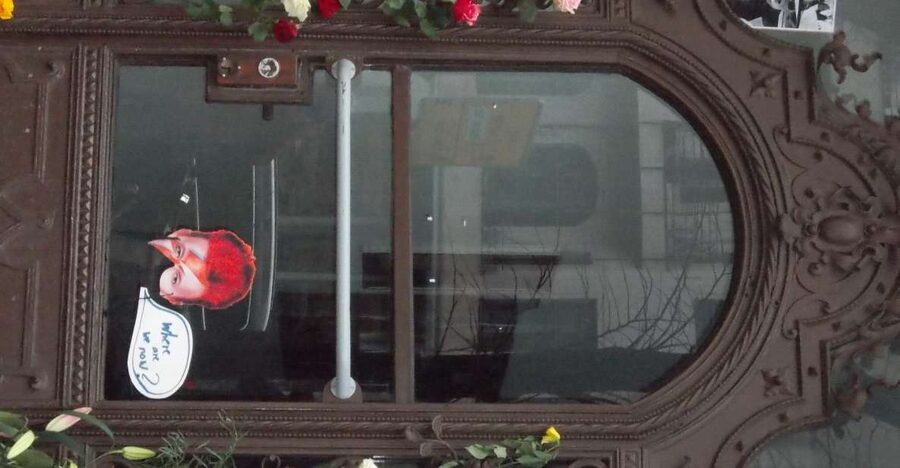
- Follow Bowie’s West Berlin years: Connect the artist’s life from 1976 to 1978 with the city around him.
- See Hansa Studios from the outside: Learn why this recording site matters to Heroes and Bowie’s Berlin sound.
- Visit former nightlife locations: Pass the sites of the Dschungel and Chez Romy Haag, two important names in West Berlin’s club culture.
- End at Bowie’s Berlin home: The tour uses a bus for the final stretch to the apartment where Bowie lived.
- Travel with Martin Sauter: The guide leads private tours in English, French, and German.
- Allow three hours: The route combines walking with a bus ride and begins at Martin Gropius Bau.
Why Bowie chose West Berlin in the 1970s
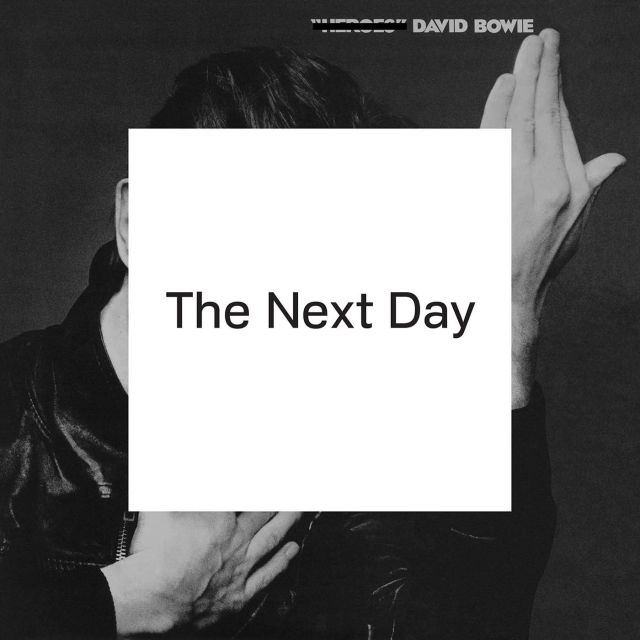
The best part of this experience is the setting. You are not simply being shown places connected to a famous musician. You are being given a way to read a particular period in Berlin through Bowie’s eyes.
After completing The Man Who Fell to Earth, Bowie wanted distance from the life he had been living. His reasons for choosing West Berlin were not just personal. He was drawn to the city’s artistic freedom, its unusual energy, and the new electronic sound being developed in Germany.
Düsseldorf often receives credit for the German electronic scene, but West Berlin mattered too. Bowie was searching for fresh ideas, and the divided city offered plenty of them. It was politically tense, culturally unusual, and full of people making art outside the normal rules.
Bowie first stayed at the apartment of Edgar Froese, founder of Tangerine Dream, while looking for a place of his own. That detail gives the tour a strong opening. It shows Bowie arriving in Berlin not as a settled resident with a finished plan, but as an artist looking for a new direction.
Martin Sauter uses this background to explain the move before the route reaches the better-known sites. That matters because the tour is about more than locations. You learn why Berlin suited Bowie at that moment, and how his daily life connected to his music.
The Berlin period ran from 1976 to 1978. It produced some of Bowie’s most important work, including Low, Heroes, and Lodger, although the tour information focuses especially on songs and places tied to West Berlin. You will hear about Heroes, Boys Keep Swinging, Yassassin, and Neuköln, with attention to the way Bowie’s life in the city shaped those songs.
Even the spelling of Neuköln carries a small piece of the story. Bowie deliberately used a different spelling of the Berlin district’s name. Details like that help turn a familiar song title into a clue about his relationship with the city.
Other Berlin tours worth putting on the same trip:
- Berlin: Reichstag, Dome and Government District Guided Tour
★ 4.7 · 18,288 reviews - Berlin: 1-Hour City Tour by Boat with Guaranteed Seating
★ 4.3 · 16,993 reviews - Berlin: Boat Tour Along the River Spree
★ 4.4 · 11,252 reviews
Starting at Martin Gropius Bau
The tour begins at Martin Gropius Bau, a fitting place for a Bowie route. In 2014, the building hosted the major David Bowie exhibition, so it provides a clear link between Bowie’s public legacy and the city where he lived and worked.
You will meet the guide at this starting point. Martin Sauter carries a David Bowie album, book, or CD, which gives you an easy way to identify him. That is a small but useful arrangement in a busy city.
The opening section sets up the rest of the tour. Rather than rushing immediately to a photo stop, you get the story of Bowie’s move to Berlin and the reasons behind it. If you already know the albums and songs, this background helps place them in time. If you are less familiar with the Berlin period, it gives you enough context to follow the route.
The tour is private, which is important here. Bowie’s Berlin years involve plenty of connections between music, clubs, people, and locations. A private format gives you room to ask about the parts that interest you most. Martin has been described as warm, humorous, and able to explain both Bowie and Berlin in an engaging way.
Potsdamer Platz and Bowie’s changing Berlin
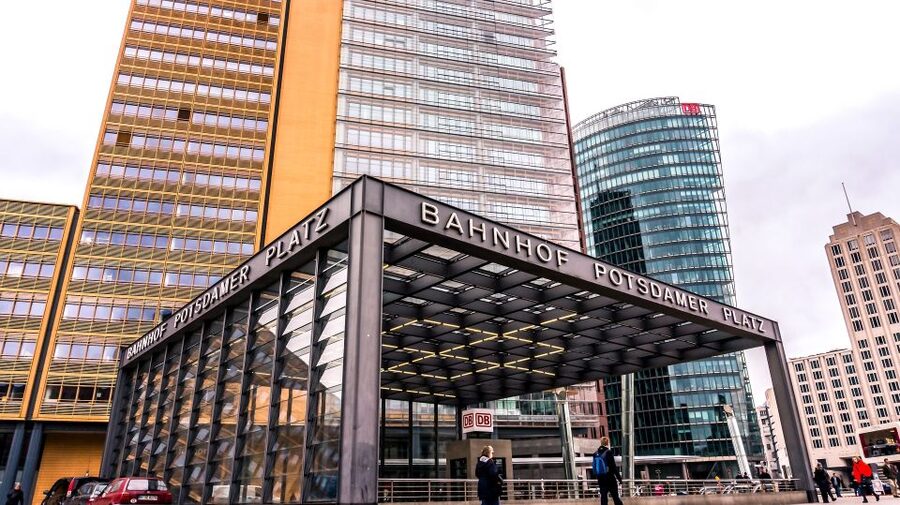
From Martin Gropius Bau, the route continues toward Potsdamer Platz. Bowie later referred to this part of Berlin in Where Are We Now?, released in 2012.
Potsdamer Platz is useful as a point of comparison. The West Berlin of Bowie’s time and the modern city around Potsdamer Platz are not the same. The tour lets you consider the gap between the Berlin Bowie knew and the Berlin you see today.
This is one reason the experience works better for serious fans than a simple list of addresses. You are encouraged to think about change. Some locations remain as buildings or recognizable city spaces. Others have disappeared, moved, or survived only through photographs and stories.
Do not expect every stop to look exactly as it did in the 1970s. That is part of the point. You are tracing a vanished music scene through the present city, with the guide explaining what used to be there and why it mattered.
Hansa Studios and the sound of Heroes
Hansa Studios is the central music stop. The tour takes you to the building and explains its connection to Bowie’s Berlin work.
The studio became famous for its association with Heroes, one of the defining songs of the period. Standing outside gives you a physical link to the recording, even though the tour does not describe an interior studio visit. For many fans, that is enough to make this the emotional center of the route.
The value here comes from the explanation. A studio exterior alone takes only a few minutes to see. Martin’s role is to connect the building to Bowie’s creative process, the city around it, and the period in which the record was made.
This is also a good example of the tour’s limits. You should book it for interpretation and context, not for access to working recording rooms or a museum collection. If you want a studio tour with indoor exhibits, this experience is not designed for that.
Still, the stop has real weight. Hansa Studios is not just another Bowie address. It represents the point where the sound of West Berlin became part of Bowie’s international identity.
A different sort of day out in Berlin:
- Discover Berlin Half-Day Walking Tour
★ 5.0 · 9,624 reviews - Berlin: Hop-on Hop-off Bus Tour with Live Commentary
★ 4.3 · 8,579 reviews - Berlin: Government District around the Reichstag Guided Tour
★ 4.7 · 8,447 reviews - Berlin: Reichstag, Plenary Chamber, Cupola & Government Tour
★ 4.6 · 8,422 reviews
KaDeWe and the City West route
The walking route continues into City West, passing KaDeWe and other locations connected with Bowie’s time in Berlin.
KaDeWe helps place the tour in the wider city rather than keeping it limited to recording studios. It was part of the West Berlin world Bowie moved through, alongside hotels, shops, clubs, and streets that gave the area its own character.
This section may appeal most to people who enjoy urban context. You will not be stopping at a Bowie museum every few minutes. Instead, you will be walking through parts of the city and hearing how they fit into his routine and social life.
That approach also makes the tour useful for anyone interested in Berlin beyond music. Martin brings in information about Berlin generally, not only Bowie. A five-star review described him as someone who explains both subjects with humor and sympathy, which suggests that the route is not a narrow fan lecture.
Expect a mix of walking, roadside explanations, and exterior viewing. Wear comfortable shoes, since the first part of the experience moves through several city locations before the bus ride.
The former Dschungel and Chez Romy Haag
The former Dschungel is one of the more intriguing stops because it is tied to the nightlife of Bowie’s West Berlin. The club was a place where artists and musicians gathered, and its importance lies in the social world around Bowie as much as in the building itself.
The tour also takes you past the former location of Chez Romy Haag. Romy Haag was a major figure in Berlin nightlife, and her club belonged to the same creative circle that helped make West Berlin attractive to Bowie.
These stops are especially useful if you want to understand the city as a meeting place. Music does not develop only in studios. It grows through clubs, late-night conversations, performers, and people who make a city feel open to experimentation.
The catch is that the clubs are former locations. You are not going inside the Dschungel or Chez Romy Haag for a drink, concert, or preserved interior. What you get is the site, the story, and a chance to picture the 1970s scene in the modern city.
That may sound modest, but it is often the most honest way to see music history. The city changes. The club disappears. The story remains, if someone can explain it clearly.
Taking the bus to Bowie’s Berlin home
After the walking portion, you board a bus to reach David Bowie’s Berlin home. The tour ends outside the residence.
The bus transfer is practical as well as thematic. It keeps the route from becoming an exhausting all-day walk and lets the tour cover more than one part of West Berlin. It also creates a natural shift from the public places of Bowie’s nightlife to the private space where he actually lived.
Do not expect to enter the home. The experience ends outside, so the value lies in knowing where Bowie lived and how that address fits with the rest of the route.
For many people, this will be the most personal stop. Hansa Studios represents the work. The clubs represent the social scene. The home represents Bowie’s attempt to build a life in Berlin during a period of change.
The tour’s order works well because it moves from public history toward a private address. By the time you reach the final stop, you have heard about the music, the clubs, and the city that surrounded him.
Martin Sauter’s guiding style
Martin Sauter is the named guide for this experience, and the feedback about him is unusually consistent. He is described as charming, well informed, communicative, humorous, and passionate about the subject.
That matters more than a long list of stops. Bowie’s Berlin story has enough names and dates to become confusing if the guide simply recites facts. Martin’s strength appears to be making the material feel like a conversation with someone who knows the artist and the city well.
He also adapts the private tour to the group’s needs. If you are a serious Bowie fan, you can focus on the albums, collaborators, and clubs. If you are more interested in Berlin, you can give more time to the city’s history and changing neighborhoods.
The tour is offered in English, French, and German. That makes it useful for international visitors, while the private format avoids the awkwardness of joining a large multilingual group.
Is $288 per person good value?
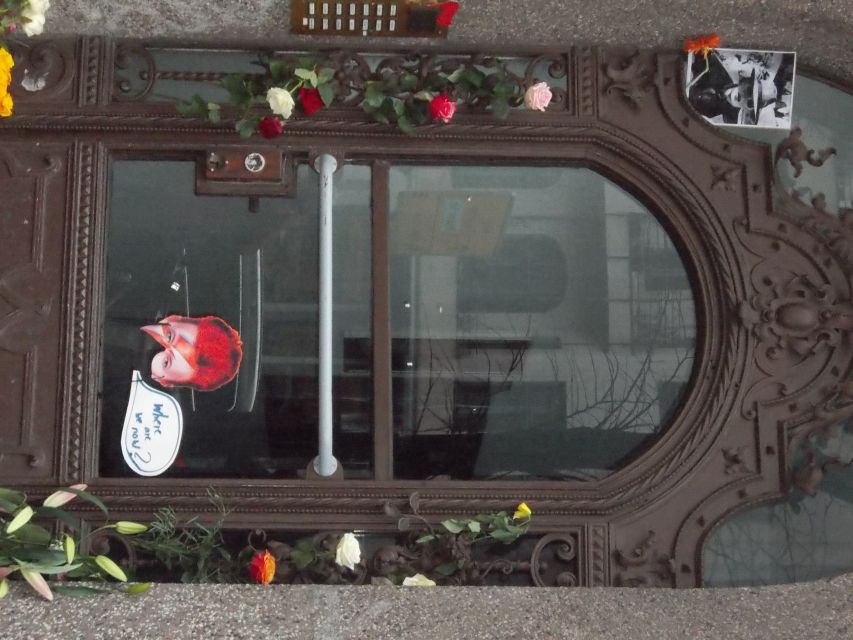
At $288 per person, this is not a budget sightseeing tour. The price makes most sense for a private group of Bowie fans who want a specialist guide rather than a general city walk.
You are paying for three hours with a guide focused on one artist, a route that combines several parts of West Berlin, a bus transfer, and the ability to shape the conversation around your interests. Hotel pickup is available if desired, which can make the start easier, though the meeting point is Martin Gropius Bau.
The price is harder to justify if you mainly want to see Hansa Studios and Bowie’s home. Both are viewed from outside, and the former clubs no longer offer an interior experience. You could visit some locations independently for less money, but you would lose the connections between them.
For a couple, family, or small private group sharing the experience, the value improves. The guide’s time is dedicated to you instead of being spread across a large crowd. The high rating of 4.9 from eight reviews also reflects strong satisfaction, though the sample is small.
I would compare the cost with your level of interest. A casual music fan may find it expensive. A committed Bowie fan who wants the story behind the addresses may find it worthwhile.
Who should book this experience?
I would recommend the tour most strongly to:
- Bowie fans who know the songs but want the Berlin context
- Visitors interested in 1970s West Berlin nightlife
- People who prefer private guiding to a large group
- Couples or small groups who want to ask plenty of questions
- Anyone who wants a city tour with music at its center
It may not suit you if you want indoor museum collections, a working recording-studio visit, or a long list of attractions unrelated to Bowie. It is also not the best choice if you only have a short time in Berlin and need to cover the city’s major sights.
The tour has a clear focus. That is its strength. You spend three hours following one period in one artist’s life, rather than rushing between unrelated attractions.
Practical details before you book
Plan for three hours, with walking followed by a bus ride. Since the route includes outdoor stops, dress for the weather and wear shoes you can walk in comfortably.
Meet the guide at Martin Gropius Bau. Look for Martin Sauter holding a David Bowie album, book, or CD. Hotel pickup is available if you want that arranged.
Food and drinks are not included, so plan those separately. The tour is offered in English, French, and German, and it is limited to a private group.
You can cancel up to 24 hours before the start for a full refund, and the reserve-now, pay-later option gives you some flexibility when planning a Berlin stay.
Should you book the David Bowie Berlin tour?
Book it if Bowie’s Berlin years are a major reason you are visiting, or if you want a thoughtful private walk through West Berlin’s music and nightlife history. Martin Sauter appears to bring the right mix of subject knowledge, humor, and personal attention.
Skip it if $288 per person feels too high for exterior sights, or if you need a broad Berlin city tour. The route is specialized, and its value depends on how much the Bowie story matters to you.
For the right audience, this is a strong way to connect songs such as Heroes, Yassassin, and Neuköln with the streets, clubs, studio, and home that shaped Bowie between 1976 and 1978.
FAQ
How long is the David Bowie Berlin tour?
The tour lasts three hours.
Where does the tour begin?
It begins at Martin Gropius Bau, the site of the 2014 David Bowie exhibition.
Where does the tour end?
The tour ends outside David Bowie’s Berlin home.
Does the tour include Hansa Studios?
Yes. You will stand outside Hansa Studios and learn about its connection to Bowie’s Berlin work.
Can I visit the inside of Hansa Studios?
The tour information only confirms an exterior visit. Indoor access is not included.
Does the tour visit the Dschungel?
Yes. The route passes the former location of the Dschungel and explains its connection to Bowie’s West Berlin nightlife.
Does the tour visit Chez Romy Haag?
Yes. You will pass the former location of Chez Romy Haag.
Is transportation included?
The walking route includes a bus ride to David Bowie’s Berlin home. Hotel pickup is also available if desired.
What languages are offered?
The tour is available in English, French, and German.
Is the tour private?
Yes. It is offered for a private group.
How much does the tour cost?
The listed price is $288 per person.
Are food and drinks included?
No. Food and drinks are not included.
Who leads the tour?
The named guide is Martin Sauter.
What should I look for at the meeting point?
Martin Sauter will be holding a David Bowie album, book, or CD so you can identify him.
Can I cancel the tour?
Yes. You can cancel up to 24 hours in advance for a full refund.
Newest Berlin reviews
- Where It All Began: Berlin’s Queer & Trans History Tour★ 4.9 · 6 reviews
- Understanding Kreuzberg: The roots of local (sub)culture★ 4.9 · 11 reviews
- Berlin: guided canoe | kayaktour★ 4.1 · 7 reviews
- Private Potsdam City Tour in an authentic vintage van★ 5.0 · 14 reviews
- Warnemünde Shore Excursion: Private Sachsenhausen and Berlin Tour★ 5.0 · 12 reviews
- Ultimate E-Bike Tour of Berlin with Beer Garden Stop★ 5.0 · 4 reviews
- In the Forbidden City – Potsdam Walking Tour★ 5.0 · 17 reviews
- Private Walking Tour of Potsdam and Sanssouci★ 5.0 · 24 reviews