
Reviewed · ALTERNATIVE BERLIN TOURS
Private Alternative Berlin Tour -Murals, Graffiti and Squats
Berlin’s alternative culture makes the city feel less like a finished monument and more like a work still in progress. This private tour connects murals, graffiti, former squats, punk districts, and the Berlin Wall, showing how cheap postwar housing helped artists and outsiders reshape the capital.
I like the private format, which lets Nadav or Jacob adjust the pace and spend more time on the subjects that interest you. I also like the mix of major sights and scruffier corners, especially Haus Schwarzenberg and Dead Chicken Alley, where Berlin’s art culture feels more personal. The main drawback is that you pay $302 for the group, and public transport plus food cost extra.
Key points to know before booking
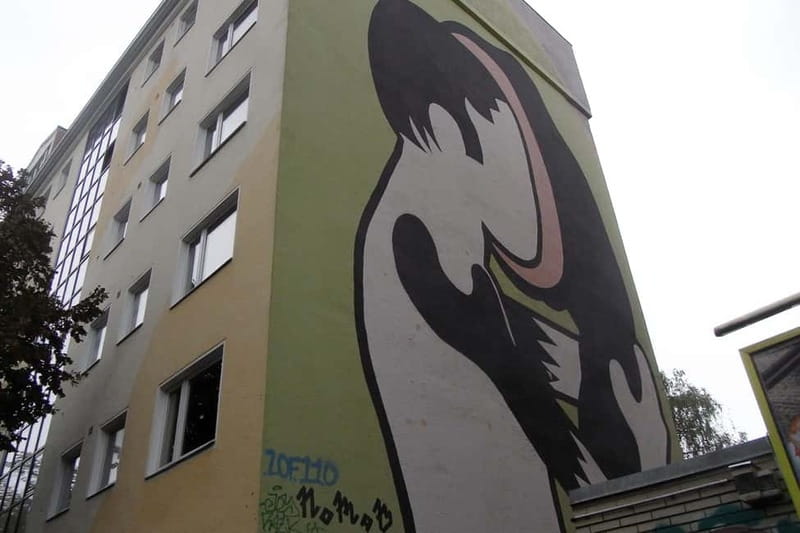
- Berlin’s alternative culture is the main subject: This is not a standard monument tour. Expect graffiti, murals, punk and hippie history, squats, house projects, and changing neighborhoods.
- You get a private guide for up to six people: A full group brings the cost to about $50 per person before transport and snacks.
- The route crosses several parts of Berlin: You will use public transport between stops, linking Potsdamer Platz, Mitte, Friedrichshain, Kreuzberg, and the East Side Gallery.
- Nadav and Jacob offer a flexible, personal style: The guide can adapt the discussion to your interests instead of giving the same fixed speech to every group.
- The 2.5-hour length keeps the tour manageable: You see a lot, but the schedule leaves limited time for long stops, shopping, or extended café breaks.
- Wear comfortable shoes: The tour is easy walking, but you will walk between art sites and use public transport.
Berlin after the Wall: why the alternative scene matters
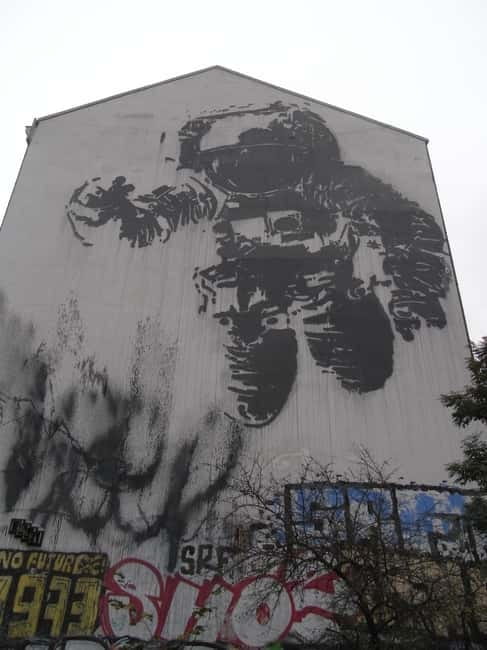
To understand the murals and squats, you need a little context. Before and after the Berlin Wall fell, the city had large numbers of cheap or empty buildings. Artists, punks, hippies, and people looking for a less conventional life moved into spaces that other cities might have demolished or tightly controlled.
That freedom helped create house projects, galleries, improvised communities, music spaces, and outdoor art. Berlin’s alternative culture did not grow from one planned district. It spread through neglected buildings and former East German spaces, often changing as soon as a neighborhood became more expensive.
Your guide’s job is to connect that past with the art in front of you. A mural is not treated as a pretty wall decoration. You get the social setting around it: who used the space, why artists came there, and how gentrification has changed the area.
I especially like this approach for first-time visitors who see graffiti everywhere but do not know how to read the city’s layers. The tour gives you a way to notice the difference between a large public mural, a small sticker, a painted house project, and a wall covered by fast-changing street art.
More street art tours in Berlin:
- Berlin: City Street Art Guided Walking Tour
★ 4.8 · 886 reviews - Berlin: 3-Hour Street Art Tour
★ 4.7 · 778 reviews - Berlin Street Art Walking Tour – Off The Grid
★ 5.0 · 270 reviews
Potsdamer Platz and a view across changing Berlin
The tour begins with hotel pickup or another location you specify in Berlin. After roughly 15 minutes on public transport, you reach Potsdamer Platz for about 30 minutes of guided exploration.
Potsdamer Platz is a useful opening because it represents a very different version of modern Berlin. The area was heavily damaged in the war, divided by the Wall, and later rebuilt as a major commercial center. That makes it a strong contrast to the squats and informal art spaces appearing later in the tour.
The guide can use this first stop to explain Berlin’s physical breaks and rapid rebuilding. You are not only looking at architecture. You are seeing how land once cut by the Wall became a symbol of a new city, while other parts of Berlin kept a rougher, more improvised identity.
A nearby viewpoint follows, with about 10 minutes for orientation. This is a short stop, so you should expect a broad sense of the city rather than a long photo session. It is useful early in the tour because the route soon moves into denser areas where the city’s story is told through walls, alleys, and buildings.
Dead Chicken Alley and Haus Schwarzenberg
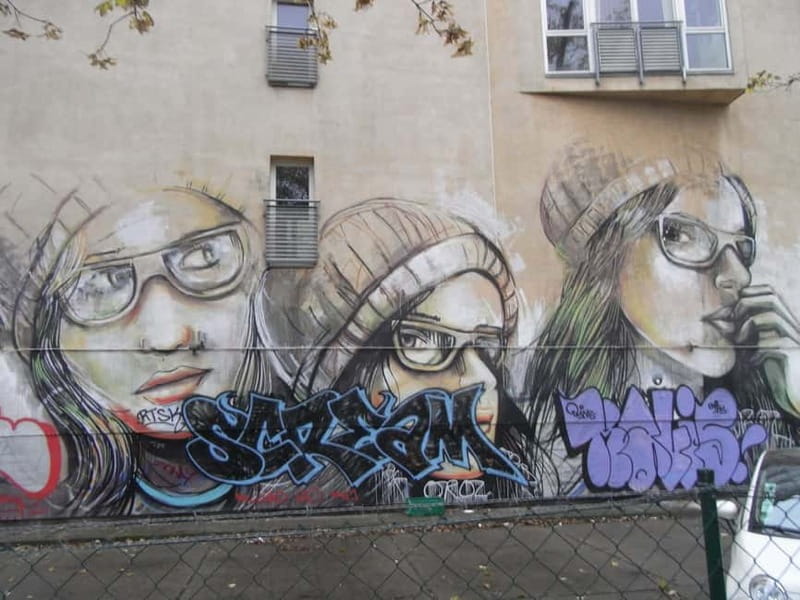
After another public transport ride of about 10 minutes, the tour reaches Dead Chicken Alley. You have around 10 minutes with the guide here.
Dead Chicken Alley is one of the clearest places to see Berlin’s alternative art culture in a compact setting. The name itself hints at the irreverent, anti-polished spirit that has long appealed to Berlin’s artists and outsiders. Expect painted surfaces, changing street art, and a setting that feels far removed from the corporate rebuild at Potsdamer Platz.
The stop is brief, so listen closely and ask questions while you are there. If you want a long look at every piece or hope to take many photographs, you may wish you had more time. The advantage is that the tour keeps moving and includes several different forms of alternative art rather than staying in one alley.
Alexanderplatz comes next, with around 20 minutes of guided time. It is one of Berlin’s most recognizable public spaces, but on this tour it is not presented only as a landmark. The guide uses it to show how public space, mass housing, transport, politics, and street culture overlap in the city.
You then visit Haus Schwarzenberg for about 20 minutes. This is one of the strongest stops for anyone interested in Berlin’s independent art spaces. Its courtyards and walls give you a close look at a living art setting rather than a formal museum display.
I like the pairing of Dead Chicken Alley and Haus Schwarzenberg because the two stops make the idea of alternative Berlin easier to grasp. You are not simply told that artists moved into neglected spaces. You see how art can occupy courtyards, walls, and shared buildings in ways that feel informal and community-based.
East Side Gallery and the meaning of the Wall
Another short public transport ride, about 10 minutes, takes you to the East Side Gallery. At 45 minutes, this is the longest stop of the tour.
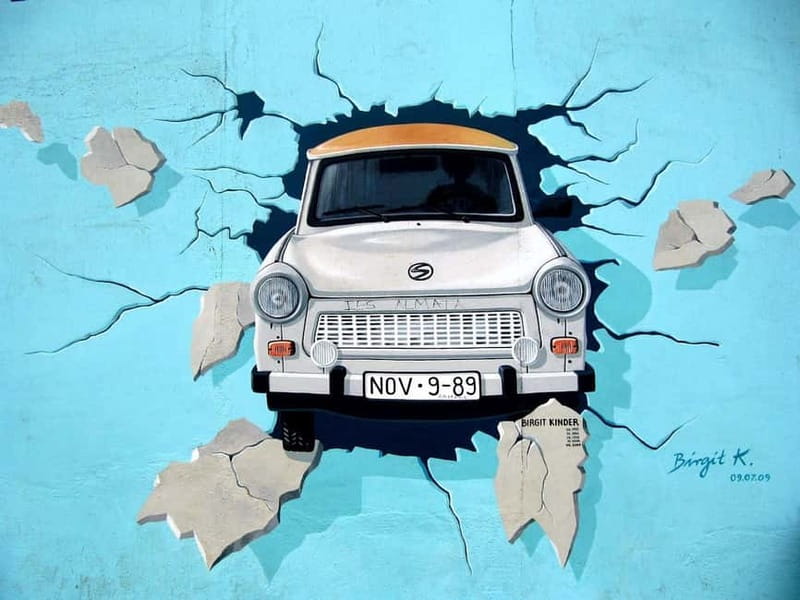
The East Side Gallery is the best-known art site on the route. Artists painted murals on a remaining section of the Berlin Wall, turning a symbol of division into an open-air gallery. You get time to examine the works and hear how the Wall became a public canvas after the political changes of 1989.
The site can be crowded and visually busy, but the private format helps. You can ask about particular murals and get more than a quick list of names or dates. The guide also places the paintings within the wider story of Berlin’s alternative culture, rather than treating the Wall as an isolated monument.
I would not book this tour expecting a museum-style analysis of every mural. The focus is broader: Wall graffiti, the city’s creative life, and the relationship between art and political change. That makes it a good choice if you want context and conversation as much as photographs.
The 45-minute visit is also where the tour feels most substantial. You have enough time to slow down, compare different styles, and notice how a once-divided city now uses the Wall as an outdoor meeting point. Still, remember that street art changes. A mural may be altered, weathered, or painted over after your visit.
More alternative tours in Berlin:
- Explore Berlin: See All The Iconic Sights & Some Hidden Gems
★ 5.0 · 4,429 reviews - Berlin: Alternative Berlin Walking Tour
★ 4.6 · 1,204 reviews - Berlin: Alternative Bike Tour of Kreuzberg & Friedrichshain
★ 4.7 · 548 reviews - Berlin: Alternative Berlin Bike Tour
★ 4.8 · 359 reviews
Friedrichshain-Kreuzberg and Oberbaumbrücke
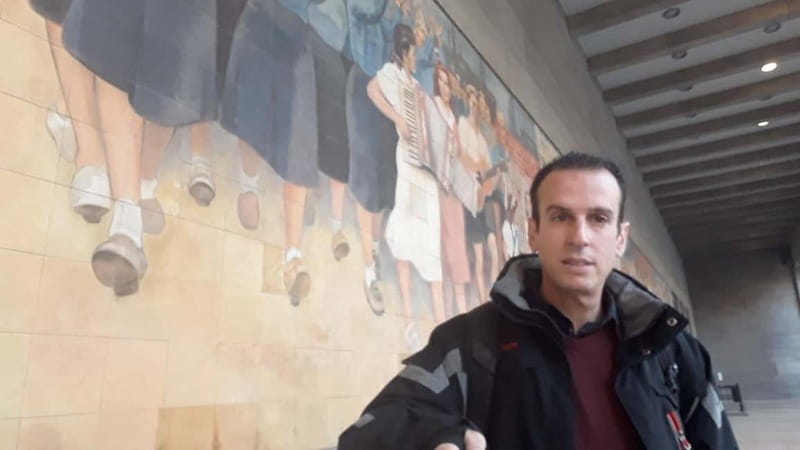
After the East Side Gallery, the route continues through Friedrichshain-Kreuzberg for about 15 minutes of guided exploration. These adjoining areas are central to Berlin’s alternative identity, with their history of artists, musicians, squats, house projects, and independent spaces.
The guide explains how the neighborhood’s appeal has changed over time. Low rents and empty buildings once helped people create communities outside the usual commercial system. As Berlin became more popular and property prices rose, many of those spaces faced pressure.
This is where the tour’s discussion of gentrification becomes especially useful. You see that alternative culture is not frozen in the past. Some spaces survive, some change function, and some disappear. The city remains a place for artists and outsiders, but it is harder to separate that culture from rising costs and redevelopment.
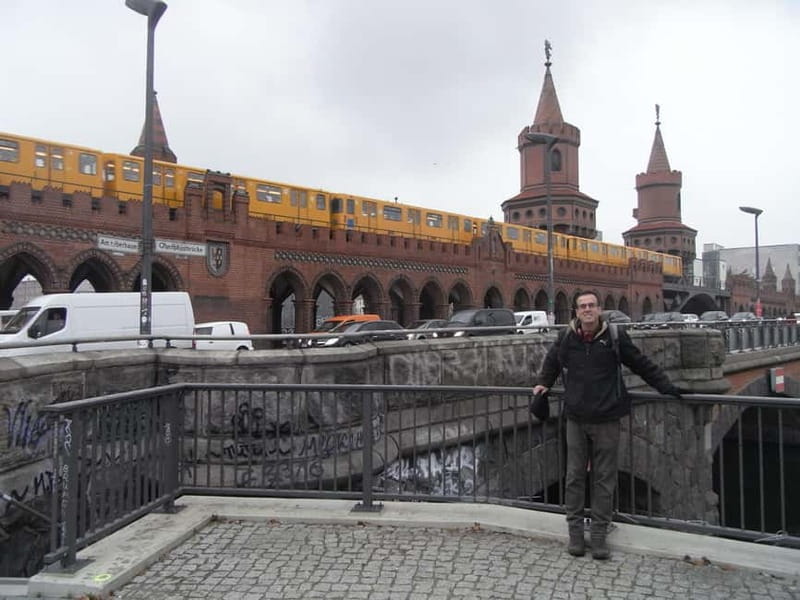
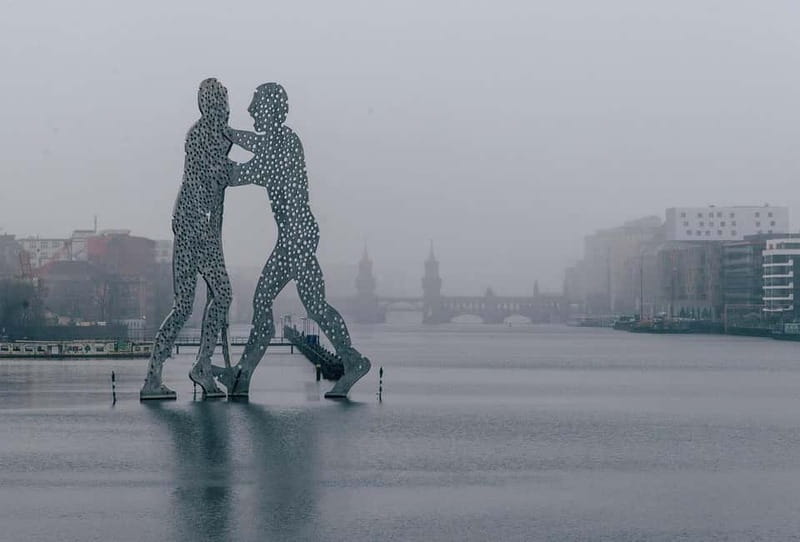
The final stop is Oberbaumbrücke, with about 10 minutes of guided time. The bridge links Friedrichshain and Kreuzberg and provides a fitting end to a tour about divisions, connections, and changing neighborhoods.
It is a short stop, but it ties together several themes from the day. The bridge is not just a place for a quick photograph. It helps you understand the relationship between two areas that share an alternative reputation but have distinct identities and histories.
How the private format changes the experience
The tour costs $302 for a private group of up to six people. For one person or a couple, that is a serious price. For six people sharing the booking, it works out to roughly $50 per person, which is easier to justify for a 2.5-hour private tour with hotel pickup.
You also pay separately for public transport, estimated at $4 to $10, and any food, coffee, or snacks during the break, estimated at $5 to $15. These costs are small compared with the booking fee, but you should include them in your budget.
The real value is the guide’s flexibility. Nadav and Jacob are described as easy-going and able to adjust the start time, pickup location, and emphasis of the tour. If you are more interested in punk history than architecture, or murals than political history, you can steer the conversation.
That matters because alternative Berlin is not one subject. You may want to ask about squats, music, Wall art, postwar rebuilding, the former East and West, or present-day gentrification. A private guide has more room to follow those questions than a large group tour.
You also receive an A3 picture folder with interactive explanations of Berlin’s alternative style. Think of this as a useful visual aid rather than a substitute for the walk itself. WhatsApp availability before and after the tour adds practical value, especially if you want suggestions about what to see or where to go afterward.
What the 2.5-hour schedule feels like
The timing is active but not punishing. You spend about 15 minutes on the first public transport leg, 10 minutes between several later stops, and around two hours visiting the main sites.
The walking is described as easy, with no special requirements beyond comfortable shoes. You will still want footwear that handles city pavement and repeated movement between stations, alleys, courtyards, walls, and bridges.
The schedule favors variety. You move from a rebuilt commercial district to a viewpoint, then into smaller art spaces, major public areas, the Wall, and two alternative neighborhoods. That broad range is the tour’s strength, but it also means individual stops are sometimes short.
I would book this if you prefer a fast-moving introduction and plan to explore further on your own. I would look for a slower specialist tour if your main goal is extended photography, detailed art criticism, or a long visit inside one particular house project.
Who will get the most from this Berlin tour
This experience suits you if you have already seen Berlin’s major sights and want to understand the city’s less polished side. It also works well as a first-day orientation if you want a guide to explain why Berlin feels so different from many other European capitals.
It is a particularly good match for:
- People interested in graffiti, murals, and public art
- Visitors curious about hippie, punk, and alternative communities
- Small private groups that want a flexible start and pickup location
- Families or friends who prefer an easy city walk with public transport
- Anyone who wants to ask detailed questions without a large group setting
It may not suit you if you dislike public transport, want a purely historical tour, or expect every stop to involve a formal museum or preserved building. The route is about living and changing urban culture, so some places may feel rough, informal, or less polished than standard tourist attractions.
Should you book the Murals, Graffiti and Squats tour?
Book it if Berlin’s graffiti, Wall art, squats, and alternative communities interest you more than a checklist of famous monuments. The private setup, hotel pickup, and flexible conversation make the $302 group price easier to defend when six people share it.
I would be more cautious for a solo visitor or couple on a tight budget. The public transport and food costs are extra, and 2.5 hours goes quickly across so many districts.
For the best fit, arrive ready to ask questions and wear comfortable shoes. If you want an informed, personal introduction to the art and social history behind Berlin’s rough-edged image, this tour gives you a strong starting point and useful ideas for the rest of your stay.
FAQ
How long does the tour last?
The tour lasts 2.5 hours.
How many people can join the private group?
The price covers a private group of up to six people.
Is hotel pickup included?
Yes. Pickup is included from your hotel reception or another location you specify.
What language is the tour conducted in?
The live tour guide speaks English.
Do I need to buy a public transport ticket?
Yes. Public transport is not included. The estimated cost is $4 to $10.
Are food, coffee, and snacks included?
No. Food, coffee, and snacks are not included. The estimated cost during the break is $5 to $15.
What should I bring?
Bring comfortable shoes. The tour involves easy walking and public transport, with no special requirements.
Can I cancel for a full refund?
Yes. You can cancel up to 24 hours in advance for a full refund. You can also reserve now and pay later.
Newest Berlin reviews
- Where It All Began: Berlin’s Queer & Trans History Tour★ 4.9 · 6 reviews
- Understanding Kreuzberg: The roots of local (sub)culture★ 4.9 · 11 reviews
- Berlin: guided canoe | kayaktour★ 4.1 · 7 reviews
- Private Potsdam City Tour in an authentic vintage van★ 5.0 · 14 reviews
- Warnemünde Shore Excursion: Private Sachsenhausen and Berlin Tour★ 5.0 · 12 reviews
- Ultimate E-Bike Tour of Berlin with Beer Garden Stop★ 5.0 · 4 reviews
- In the Forbidden City – Potsdam Walking Tour★ 5.0 · 17 reviews
- Private Walking Tour of Potsdam and Sanssouci★ 5.0 · 24 reviews
Alternative Berlin Tours, compared.
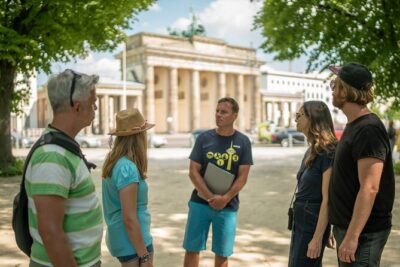
Explore Berlin: See All The Iconic Sights & Some Hidden Gems
Read our review →
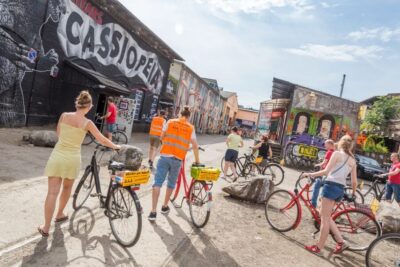
Alternative Bike Tour of Kreuzberg & Friedrichshain
Read our review →
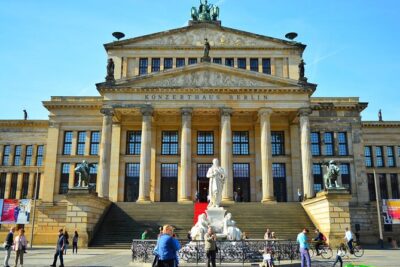
Private Berlin: Iconic Sights and Hidden Gems Walking Tour
Read our review →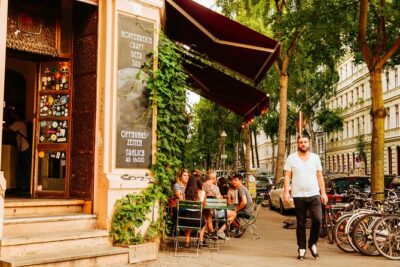
Kreuzberg Berlin: Off the Beaten Track PRIVATE Walking Tour
Read our review →
Experience the Alternative Kreuzberg on a Bike Tour
Read our review →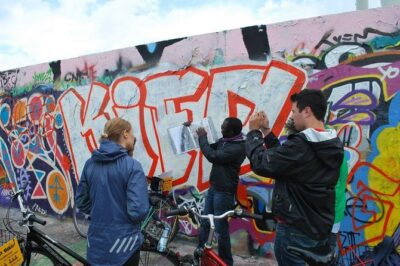
Alternative Berlin Bike Tour – Off the Beaten Tracks in Small Groups
Read our review →Browse the lists this tour appears in