
Reviewed · BERLIN CREATIVE WORKSHOPS
DJ for a Day: Learn to Mix Like a Pro in Berlin
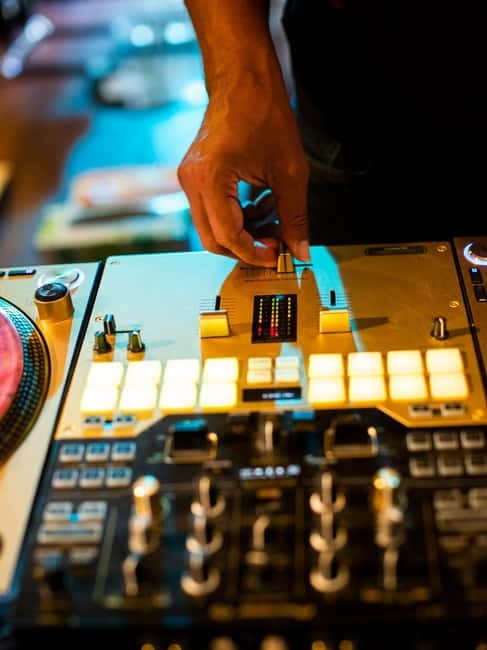
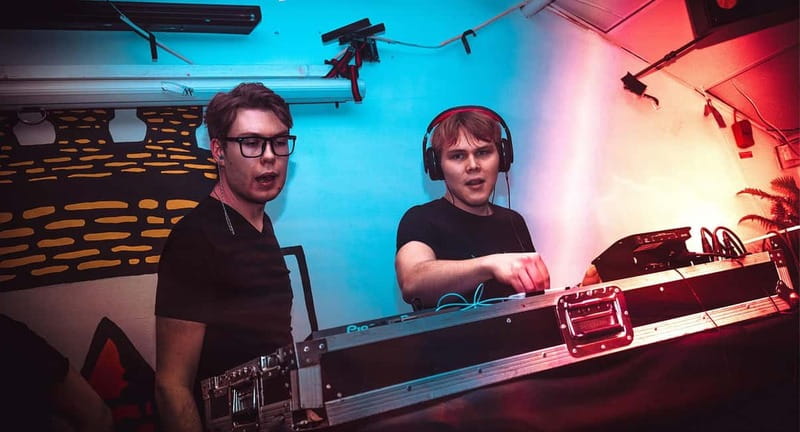
Berlin’s electronic music story makes more sense when you are standing behind a turntable, headphones on, trying to match two beats. This small-group DJ workshop gives you 90 minutes to handle vinyl, use a mixing table, try scratching, and learn how DJs build a set.
I like the chance to choose your own musical direction, from trance and progressive techno to hardcore or hip hop. I also like the personal scale: with no more than six people, you get real time at the equipment instead of watching from the back of a crowded class.
The main drawback is the short running time. You will learn the basics and try several techniques, but you will not become a polished club DJ in one session. Children under 13 cannot join, and the meeting-point directions are a little vague, so check them carefully before setting out.
Key points at a glance
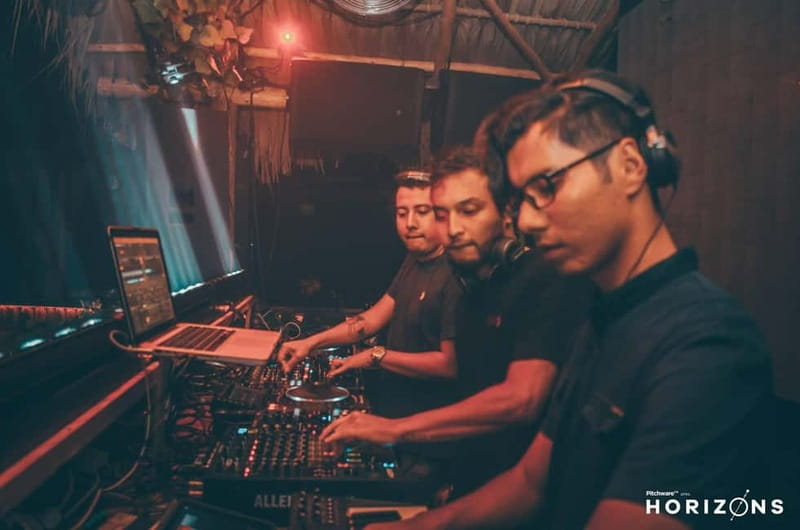
- Play with vinyl or CDJs: Compare the feel and technique of records with modern CDJ equipment.
- Try real DJ fundamentals: Learn beat matching, scratching, turntable handling, mixing, and effects.
- Choose your sound: Work with styles such as techno, trance, psytrance, progressive, hardcore, hardstyle, and hip hop.
- Hear Berlin through its music: Connect different electronic styles with the city’s club culture and older venues.
- Keep the group small: A maximum of six participants gives you a better chance to handle the equipment.
- Get drinks included: Coffee, water, and soft drinks are provided during the session.
Getting behind the turntables in Berlin
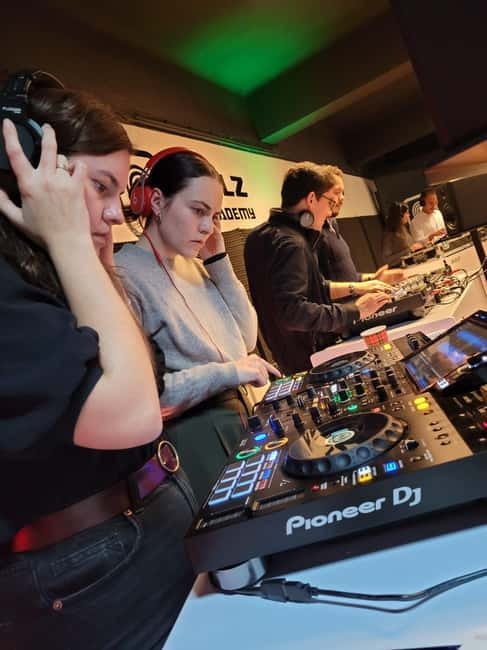
This is not a club night where you watch a DJ work from a distance. It is a hands-on workshop built around the gear itself. You get to touch the vinyl, move the controls, test the effects, and hear what happens when two tracks are brought together.
The workshop is led by Marcos Jesus Otero Valeta. Some participant comments refer to the instructor as Sasha, or Jesus, so you may see those names connected with the experience. He teaches in English or German, which makes the session workable for international visitors and German speakers.
The setting is intimate rather than theatrical. The group limit is six, and that matters here. DJ equipment is easier to understand when you are close enough to see the controls and when you get a proper turn at the decks.
You should arrive ready to participate, not simply listen to a lecture. The useful part of the session comes from trying the actions yourself, then correcting them with guidance. If you already play music, you may ask more detailed questions. If you are new to DJing, the instructor starts with the basic structure.
More creative workshops in Berlin:
- Berlin: Create Your Own Spin Painting at Jans Echternacht
★ 4.9 · 97 reviews - Berlin: Wine on Canvas – Paint Workshop and Wine Tasting
★ 4.7 · 59 reviews - Berlin: Casting Workshop with Natural Materials
★ 5.0 · 23 reviews
Learning the beat before the style
The workshop uses a helpful musical comparison: songs have structure, much as compositions by Beethoven or Mozart have form. You learn to listen for beats, sections, and changes rather than treating a track as one long block of sound.
That idea is more useful than it may sound. A DJ needs to know where a track can be brought in, where a beat will fit, and when a transition will sound natural. You are not only pressing play. You are learning to hear the building blocks of a song.
The first stage focuses on the basic language of DJing. You should expect an introduction to the turntable, mixing table, beat handling, and the way tracks are combined. The precise order can vary, but the purpose is clear: give you enough control to make a simple mix and understand why it works.
This is also where the 90-minute limit becomes noticeable. You can get a firm first lesson, but each technique receives only a short stretch of practice. If you want long, repeated drills, a private multi-session course would suit you better.
Vinyl, turntables, and the appeal of old-school technique
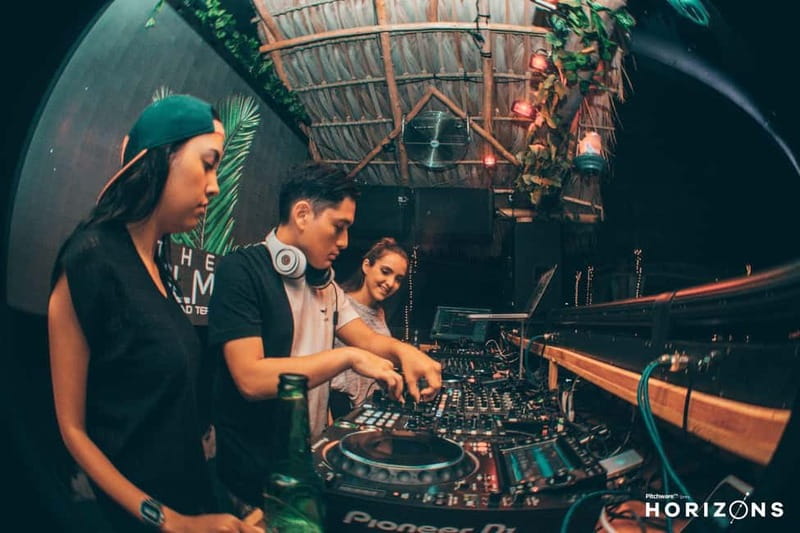
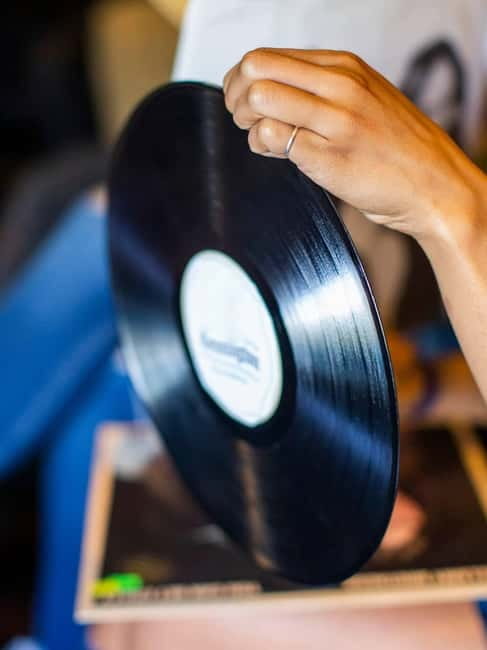
Vinyl is a central part of this experience. You can handle records and learn how the turntable responds to your movements, including scratching and basic record control.
That physical contact is different from working with digital equipment. With a record, your hands, timing, and touch are part of the sound. You can feel why vinyl has remained important to DJs, even as digital tools have become common.
The workshop also looks at turntable technique and scratching. Scratching may be associated with hip hop, but the session connects it with different styles, including techno and pop. You should not expect a full specialist scratching course in 90 minutes. Instead, you get an introduction to the motion, timing, and sound.
The chance to work with vinyl is one of the strongest reasons to book. Many music fans know records as objects, but far fewer get to use them in a DJ setting. If you have always wanted to try the classic setup, this gives you a practical first step without requiring you to buy equipment.
Comparing vinyl with CDJ equipment
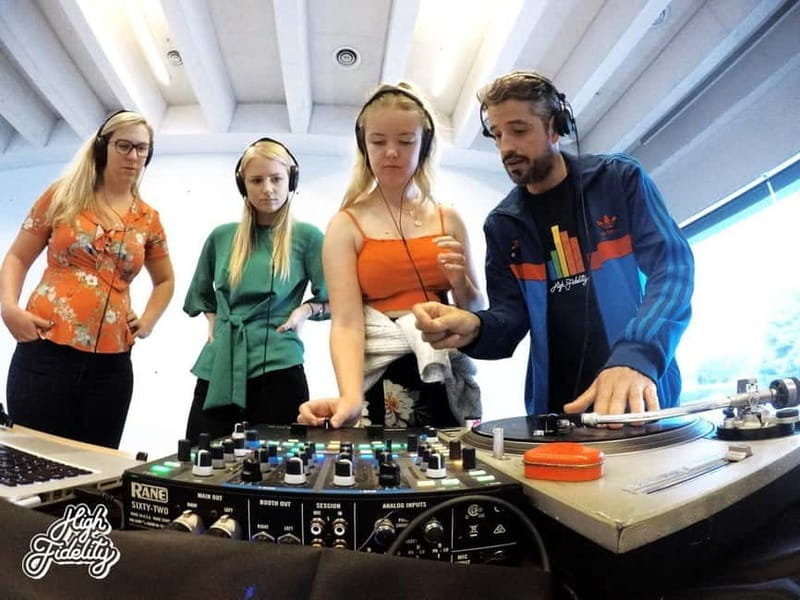
You can also work with a CDJ, giving you a direct comparison between two generations of DJ tools. The experience does not treat vinyl as the only proper way to play. It shows you that different equipment demands different habits.
Vinyl asks for more physical handling. You work with the record and turntable, and small movements can affect the sound. A CDJ offers a different working method, with digital track control and its own set of techniques.
That comparison is especially useful if you are curious about Berlin clubs. The city’s venues do not all use the same setup, and knowing the difference helps you understand what a DJ is doing when you see a booth in action.
You may also get the chance to sing one song. The information does not explain exactly how this fits into the session, so treat it as an available option rather than a central part of the workshop. The real focus is mixing, scratching, and working with the equipment.
A different sort of day out in Berlin:
- Berlin: Reichstag, Dome and Government District Guided Tour
★ 4.7 · 18,288 reviews - Berlin: 1-Hour City Tour by Boat with Guaranteed Seating
★ 4.3 · 16,993 reviews - Berlin: Boat Tour Along the River Spree
★ 4.4 · 11,252 reviews - Discover Berlin Half-Day Walking Tour
★ 5.0 · 9,624 reviews
Choosing techno, trance, hip hop, or another sound
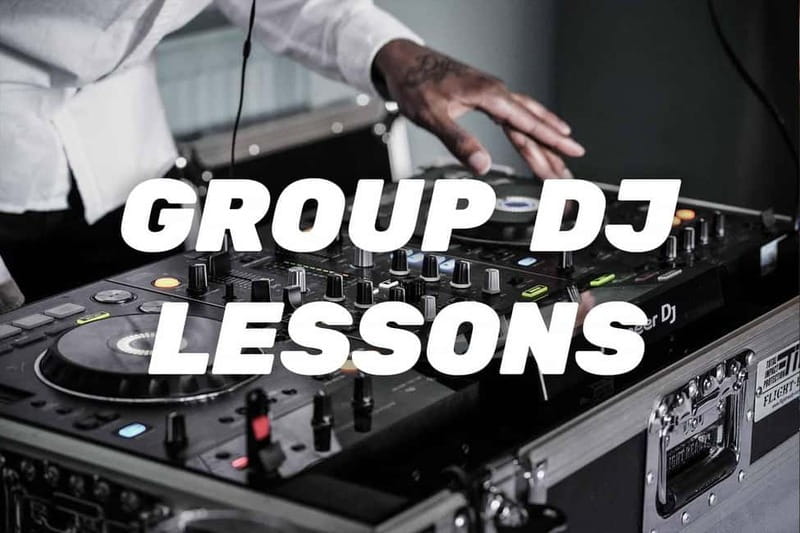
You are not locked into one narrow style. You can choose from a wide range of music, including techno, trance, psytrance, progressive, hard techno, hardcore, hardstyle, and hip hop.
That choice makes the workshop more personal. A techno fan can focus on long beat-driven transitions, while someone drawn to hip hop may prefer scratching and hands-on turntable work. You can also use the session to understand a style you do not normally listen to.
The instructor has a large selection of music available, so you are not expected to bring a carefully prepared set. The best approach is to decide before you arrive what kind of sound interests you most. If you have a favorite track or genre, mention it early so the session can make room for it.
The broad menu of styles is also a useful introduction to Berlin’s electronic culture. The workshop connects the music to the city and explains how different genres relate to Berlin clubs, including some of the older venues.
Berlin’s electronic music story through sound
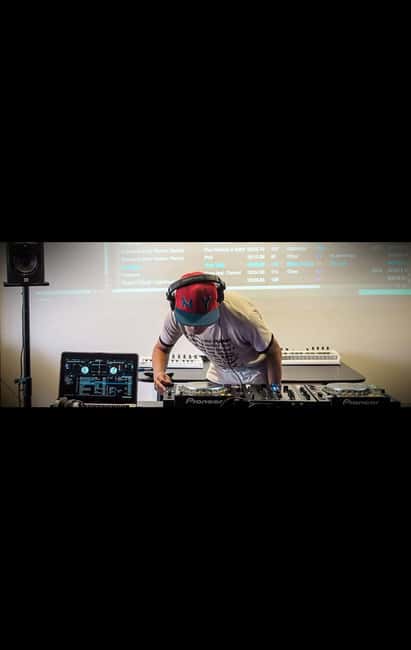
The city is often reduced to a few famous club names, but Berlin’s electronic music culture is more varied than that. This workshop gives you an introduction through the music itself, showing how styles have changed and how club sounds differ.
You can ask about the right kind of music for particular Berlin clubs, including some of the city’s oldest. That information is practical if you are planning nightlife after the workshop. It may help you understand why one set feels suited to a certain venue while another would work better somewhere else.
The session also looks toward the future of electronic music. This does not mean a formal lecture on technology or a detailed club tour. Instead, you hear how the instructor connects the evolution of genres with the way music may develop next.
I like this part because it adds context to the equipment practice. You are not only learning to move a fader. You are learning why DJs use different sounds, how genres developed, and how Berlin became associated with electronic music.
Still, keep your expectations measured. The experience cannot cover every era, club, and genre in one and a half hours. Think of the music discussion as a useful introduction, not a full course in Berlin club history.
What the 90-minute session feels like
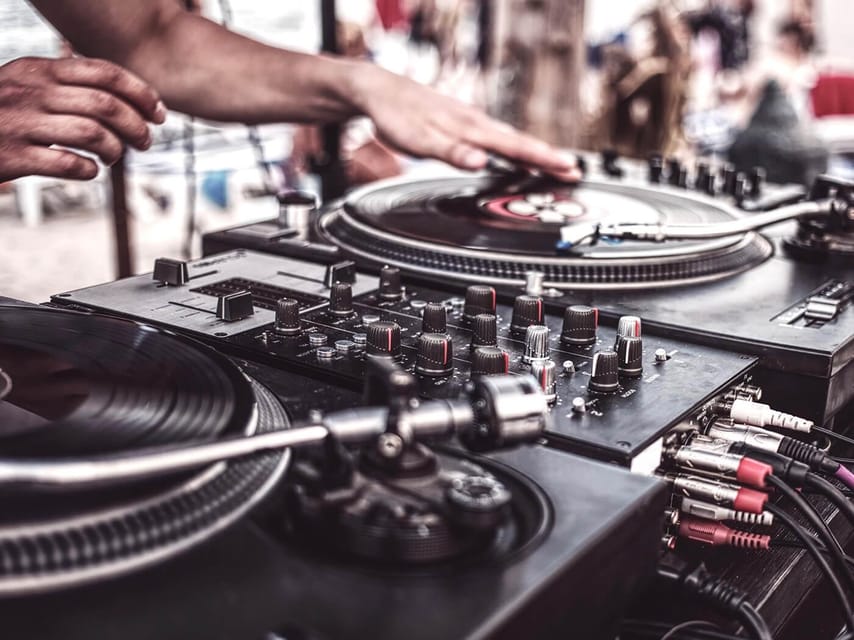
The format is compact and active. You begin with the basics, move into equipment handling, and then get a chance to try techniques for yourself. The exact running order is not specified, but you should expect a mix of explanation and practice.
A likely rhythm is simple: listen to an explanation, watch a demonstration, then take your turn. The small group helps here because the instructor can respond to individual questions and correct mistakes as they happen.
Do not worry if you have no DJ experience. The activity is designed for people who want to learn the basics, and the teaching covers fundamental controls rather than assuming you already know club terminology.
At the same time, experienced beginners may find the class introductory. If you already mix regularly, the most useful parts may be the vinyl practice, scratching, and discussion of Berlin’s club sounds.
Coffee, water, and soft drinks are included. That is a small but welcome touch during a hands-on session, especially when you are concentrating on timing and equipment.
Price, group size, and practical value
At $67 per person, the price is reasonable for a short, equipment-based lesson, especially if you value personal instruction. You are paying for access to DJ gear, guidance from an active instructor, and the chance to try techniques that are difficult to experience casually.
The value depends on what you want. For a music fan who has always wondered how DJs mix or who wants to try vinyl without buying a turntable, the session offers a lot in 90 minutes. For someone hoping to leave ready for a club booking, it will feel too brief.
The group limit of six improves the value. A large class could turn this into a demonstration, but six people gives you a better chance to use the equipment and ask questions.
The free cancellation policy allows you to cancel up to 24 hours before the activity for a full refund. You can also reserve now and pay later, which is useful when your Berlin schedule is still taking shape. Starting times vary, so check availability before making plans around it.
The activity begins and ends at the meeting point. The directions describe a cake shop and a jewelry shop between the building, but they do not provide a full street address in the supplied details. Confirm the exact location before you go, and allow extra time to find it.
Who will enjoy this workshop most
I would recommend it to first-time DJs, electronic music fans, vinyl collectors, and curious visitors who want more than another sightseeing stop. It also suits people who are considering DJing as a hobby and want to test the basics before buying equipment.
It is a good fit for a couple or small group of friends with different music tastes. One person can try techno, another can explore hip hop, and everyone can compare vinyl with CDJs.
The workshop may also appeal to someone visiting Berlin for its club culture but unable to commit to a late night. You get a direct look at the work behind the music during the day, with a guide who can explain the sounds associated with local clubs.
It is less suitable for children under 13, and anyone expecting a full professional training program should choose a longer course. The short format favors curiosity and experimentation over mastery.
My call: book it if vinyl interests you
Book this DJ workshop if you want to put your hands on real equipment, try vinyl scratching, and understand how Berlin’s electronic styles connect with its clubs. The strongest features are the small group, the choice of music, and the chance to compare turntables with CDJs.
Skip it if you only want a polished performance or if you already have strong DJ skills. For everyone else, $67 buys a focused, friendly introduction with enough practical work to show you whether DJing is something you want to pursue after Berlin.
FAQ
How long does the DJ workshop last?
The workshop lasts 1.5 hours, or 90 minutes. Starting times vary, so check availability when booking.
How much does the experience cost?
The listed price is $67 per person.
What languages does the instructor speak?
The instructor teaches in English and German.
How many people can join the group?
The group is limited to six participants.
Can I use vinyl during the workshop?
Yes. The session includes handling vinyl and turntables, and you can try vinyl scratching.
Can I use a CDJ?
Yes. You can play with a CDJ and compare its technique with vinyl equipment.
Are drinks included?
Yes. Coffee, water, and soft drinks are included.
Newest Berlin reviews
- Where It All Began: Berlin’s Queer & Trans History Tour★ 4.9 · 6 reviews
- Understanding Kreuzberg: The roots of local (sub)culture★ 4.9 · 11 reviews
- Berlin: guided canoe | kayaktour★ 4.1 · 7 reviews
- Private Potsdam City Tour in an authentic vintage van★ 5.0 · 14 reviews
- Warnemünde Shore Excursion: Private Sachsenhausen and Berlin Tour★ 5.0 · 12 reviews
- Ultimate E-Bike Tour of Berlin with Beer Garden Stop★ 5.0 · 4 reviews
- In the Forbidden City – Potsdam Walking Tour★ 5.0 · 17 reviews
- Private Walking Tour of Potsdam and Sanssouci★ 5.0 · 24 reviews
Berlin Creative Workshops, compared.
Wine on Canvas – Paint Workshop and Wine Tasting
Read our review →

Browse the lists this tour appears in