
Reviewed · BERLIN CREATIVE WORKSHOPS
Produce Techno and House Music in Berlin
Berlin’s club sound can seem mysterious until you sit beside someone who builds it from the first kick drum onward. In Andy Sexton’s studio, you’ll create a house or techno track, program synthesizers and drum machines, then arrange and mix the result for club play. It is a hands-on session, not a talk about electronic music.
I like the small limit of four people, because you get real time with the equipment rather than watching from the back of a crowded room. I also like the mix of modern software and vintage gear, plus Andy’s practical teaching style. The main consideration is time: two hours goes quickly, so this is an introduction and a strong first step, not a full music-production course.
Key points to know
- You make a track during the session: The goal is a finished house or techno piece, not just a demonstration.
- Andy Sexton teaches in English: His method suits complete beginners and musicians looking for a more organized workflow.
- The studio sits in Berlin’s club district: The setting connects the technical work with the city’s electronic music culture.
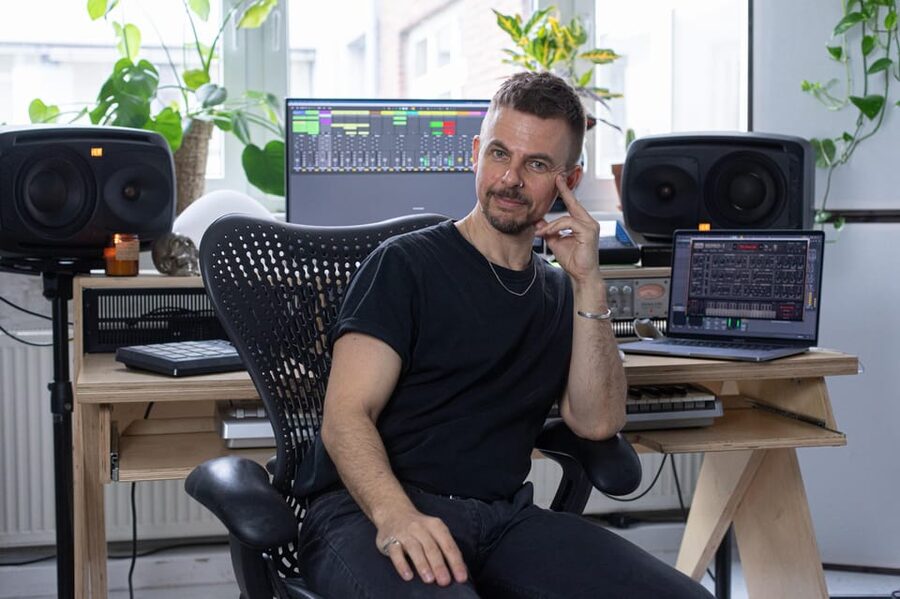
- You use real production tools: Expect professional software, synthesizers, drum machines, microphones, and acoustic instruments.
- The group has no more than four participants: This allows for direct help and time at the controls.
- The session costs $147 per person: That is a fair price if you value personal instruction and hands-on access to studio equipment.
Starting with Berlin’s club sound
This experience gives you a useful look behind the music that has become part of Berlin’s identity. You are not simply hearing about techno in a museum or walking past a famous club. You are working through the basic decisions that shape a track: the beat, the sound, the order of the parts, and the final mix.
The studio is in a large industrial building with reddish-brown brick. You meet Andy at the front door a few minutes before the scheduled start. That detail matters in Berlin, where converted industrial buildings can have several entrances and a less obvious street presence than a shop or café.
The location is described as being in the heart of Berlin’s clubbing district. The experience therefore works best as part of a day or evening focused on the city’s music culture. You can arrive with a sense of the neighborhood, then spend two hours learning how its sound is made.
More creative workshops in Berlin:
- Berlin: Create Your Own Spin Painting at Jans Echternacht
★ 4.9 · 97 reviews - Berlin: Wine on Canvas – Paint Workshop and Wine Tasting
★ 4.7 · 59 reviews - Berlin: Casting Workshop with Natural Materials
★ 5.0 · 23 reviews
Meeting Andy Sexton in the studio
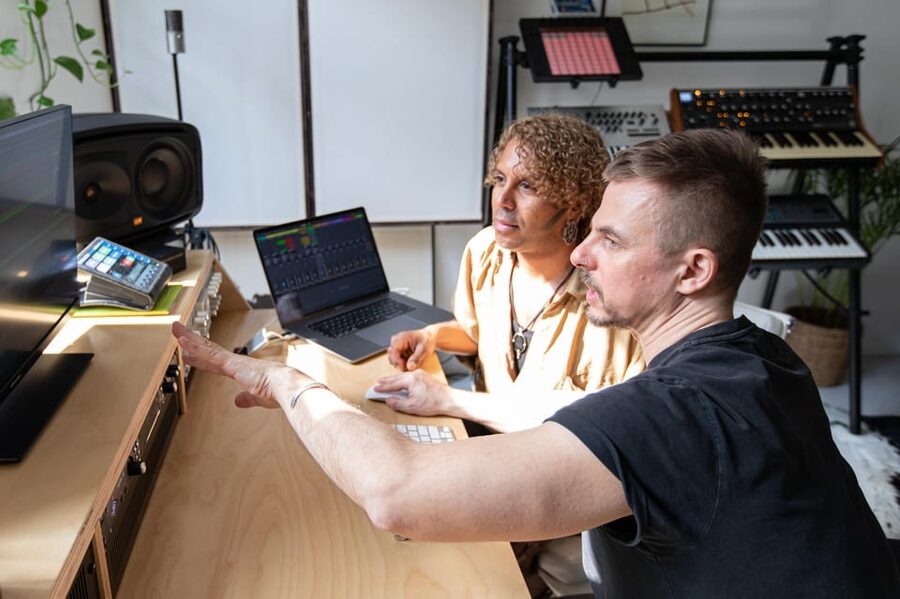
Andy Sexton leads the session in English. His role is not just to press play and show you a finished track. He guides you through a working method, explaining how to make choices and how to organize the production process.
That approach is especially useful if you have tried music software and felt lost. A digital audio workstation can offer hundreds of instruments, effects, and menus. Without a clear plan, it is easy to spend an hour changing sounds without building anything. Andy’s focus on workflow helps turn that confusion into a sequence of manageable steps.
The small group size improves the experience. With a maximum of four participants, you should have a better chance to ask questions, handle the controls, and hear why a change was made. It is still a group session, so you will not have the same amount of individual attention as in a private lesson. Even so, four people is a practical limit for a short workshop.
No previous production experience is needed. You do not need to arrive knowing music theory, keyboard technique, or studio terminology. If you already make music, the session can also help you move from casual experimentation toward a more deliberate process.
Programming the first beat and sound
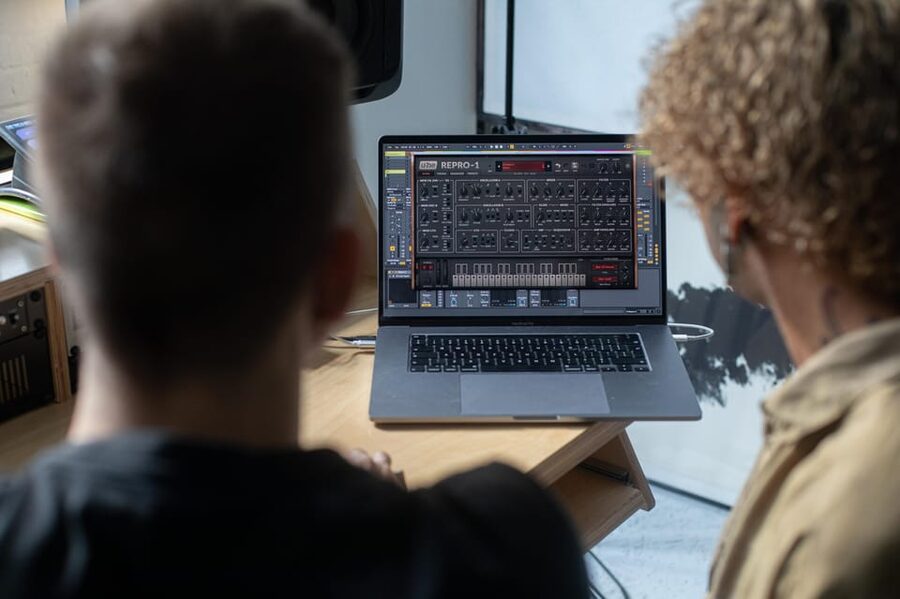
The session includes an introduction to synthesizer and drum-machine programming. This is where the workshop becomes tactile. Instead of treating electronic music as a preset-driven exercise, you get to work with the tools that create the rhythm and tone.
A drum machine can provide the pulse of a house or techno track, but the character comes from decisions about the sounds and their placement. You might find yourself comparing a tight kick with a heavier one, adjusting a pattern, or listening to how a small change affects the groove. The supplied information does not promise a fixed track or exact sequence, so the final result will depend on the group and Andy’s teaching plan.
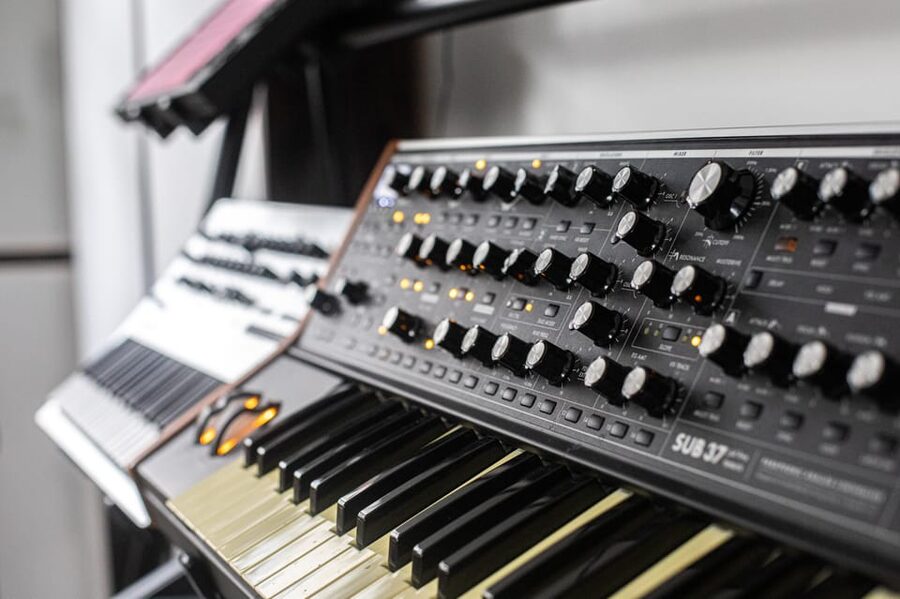
Synthesizers add another layer. You learn how sounds are shaped rather than merely selected. That makes the lesson useful even if you never buy a synthesizer yourself. The basic ideas can carry over to software instruments and other production tools.
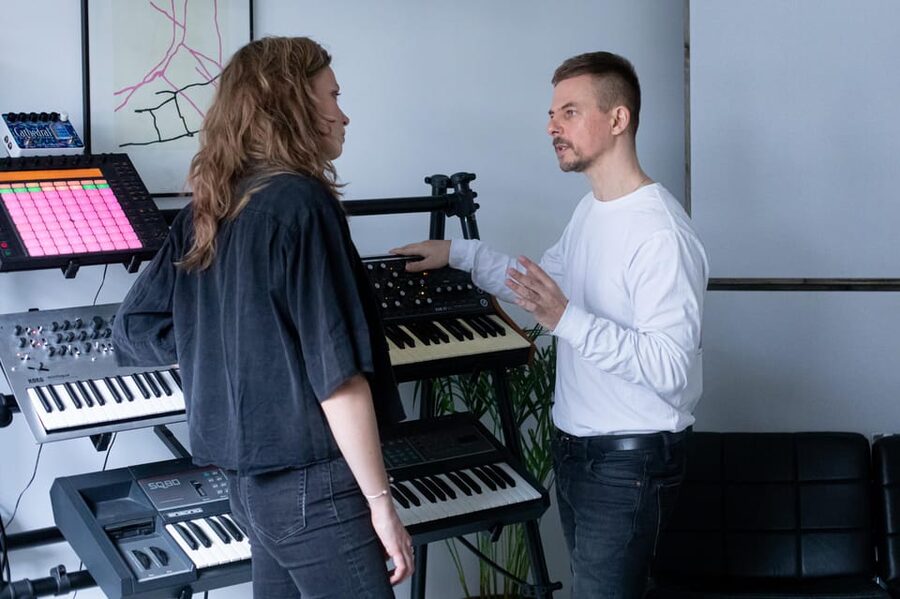
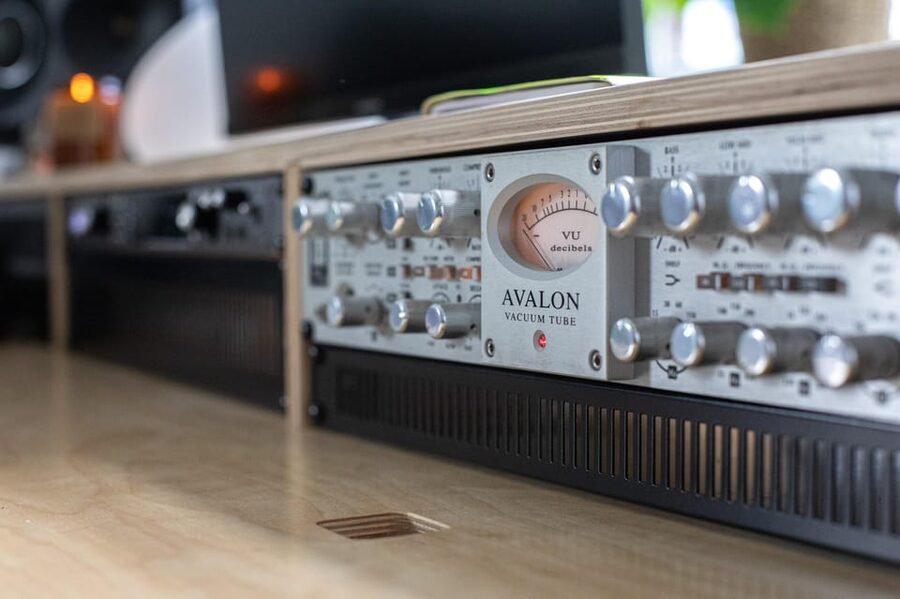
The studio has both modern and vintage music equipment. That mix gives the session a broader feel than a computer-only lesson. You can see how electronic music production connects hands-on controls with professional software. The room also has microphones and acoustic instruments such as piano, guitar, and percussion, so the available sound sources are not limited to electronic tones.
Recording and arranging a complete track
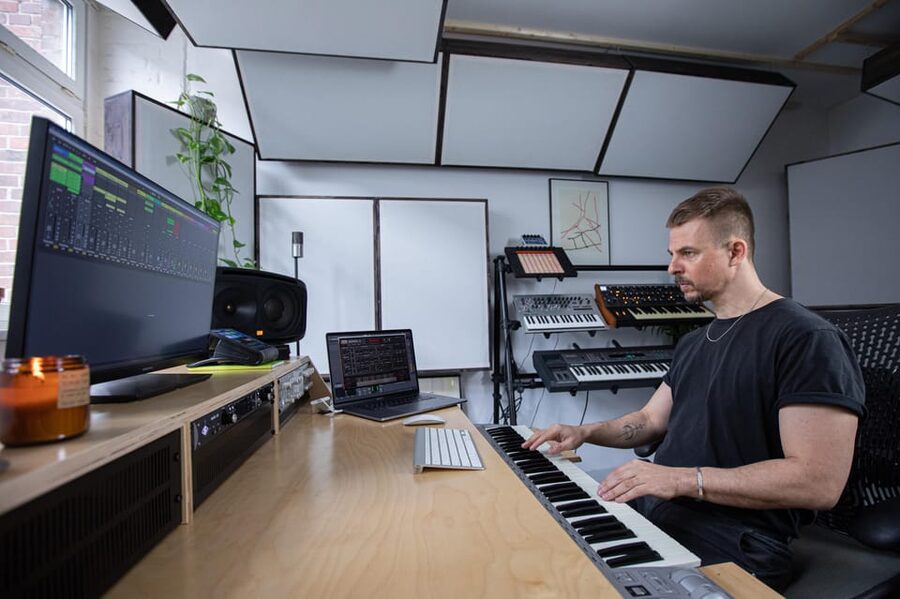
After the first sounds and rhythms are in place, you record and arrange a house or techno track using professional music-production software. Arrangement is often the point where a promising loop either becomes a piece of music or stays a loop. You learn how sections can be ordered and developed so the track has movement.
For a beginner, this is a valuable lesson in restraint. You do not need a huge number of sounds to make a track work. A focused rhythm, a clear bass part, and a few changing elements can give the music shape. Andy’s method, as described by participants, includes practical frameworks for building music rather than relying on random experimentation.
The two-hour format places a natural limit on the project. You should expect to make a compact track or a working version of one, not produce a polished release with every detail perfected. One participant extended the session and left with a small track to take home. That is possible if additional time is arranged, but the standard activity lasts two hours.
The short length is both a strength and a weakness. It keeps the experience friendly for a first visit and fits easily into a Berlin itinerary. On the other hand, you will need to move at a good pace. If you want a long explanation of every synthesizer function, microphone, and mixing technique, this session will feel brief.
A different sort of day out in Berlin:
- Berlin: Reichstag, Dome and Government District Guided Tour
★ 4.7 · 18,288 reviews - Berlin: 1-Hour City Tour by Boat with Guaranteed Seating
★ 4.3 · 16,993 reviews - Berlin: Boat Tour Along the River Spree
★ 4.4 · 11,252 reviews - Discover Berlin Half-Day Walking Tour
★ 5.0 · 9,624 reviews
Mixing the track for club play
The final stage is mixing down the track in preparation for playing it in a club. This does not mean your two-hour project becomes a commercial release. It means you learn why levels, balance, and clarity matter when music is meant to work on a large sound system.
Mixing can be difficult to understand from theory alone. You may know that parts should not clash, but hearing a change in the studio makes the idea more practical. A kick drum that is too loud can crowd the rest of the track. A lead sound that is too quiet may disappear. The process teaches you to listen to the whole track rather than each sound in isolation.
This is also where the Berlin setting makes sense. The music is not treated only as a computer exercise. You are preparing a house or techno track with club use in mind, which connects the technical lesson to how this music is heard in the city’s venues.
The workshop includes access to professional software, modern and vintage equipment, recording tools, and the final mixdown. For someone curious about production, that combination offers a useful sample of the full path from idea to playable track.
What the teaching style is like
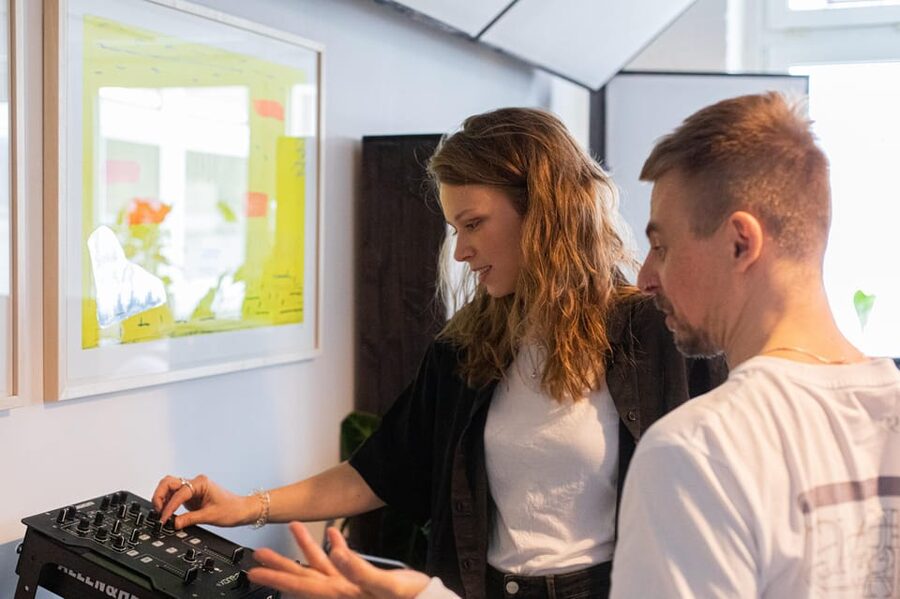
Andy’s teaching style appears friendly, patient, and structured. The session is suitable for people who want to experiment, but it also has enough practical content for music makers who want a more professional approach.
One especially useful feature is the focus on philosophy and method. You are not only shown which buttons to press. You are given a way to think about making music, organizing a project, and deciding what to do next. That kind of guidance can remain useful after the session, especially if you plan to continue with your own software.
The experience also seems adaptable. A participant accompanied someone with a cognitive impairment who wanted to produce music, and Andy adjusted his approach with empathy. The session still produced a song despite a language barrier within the group. This does not guarantee that every individual need can be accommodated, but it suggests that you should explain any support needs when booking.
The minimum age is 10. Children under 10 cannot take part. Since the workshop covers studio tools and requires attention, parents should consider whether a younger participant will enjoy a focused two-hour production session.
Who will get the most from this experience
I would recommend it first to a curious beginner who has wondered how techno is made but has never known where to start. You can arrive without production experience and leave with a clearer sense of rhythm programming, synthesis, arrangement, and mixing.
It also suits:
- A musician who wants to try electronic production
- A DJ curious about how tracks are built
- Someone who has used music software but lacks a reliable workflow
- A Berlin visitor who wants a local culture experience tied to sound
- A small group looking for a creative activity rather than a standard sightseeing tour
Experienced producers may find the basic introduction too familiar. Still, the vintage equipment, the chance to work in a professional studio, and Andy’s approach to structure may make the session worthwhile if you want fresh ideas or a more disciplined process.
This is not a club night, a DJ lesson, or a tour of Berlin nightlife. You will not be promised entry to a club or a performance slot. The value comes from making music and understanding the work behind the sound.
Is $147 a fair price?
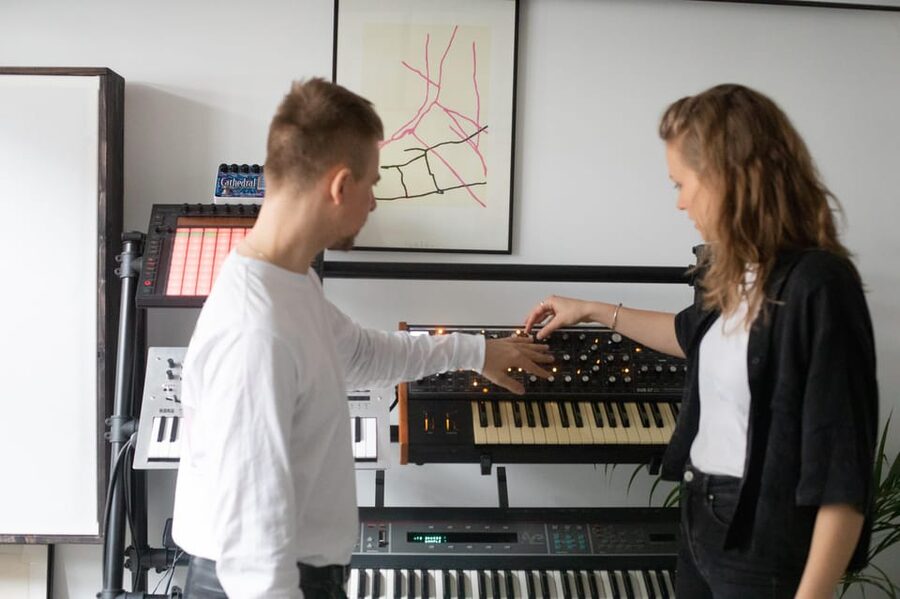
At $147 per person, this is not a cheap casual activity. You are paying more than you would for a self-guided music software tutorial or a general museum visit. The comparison changes when you consider what is included: a two-hour session with a producer, a maximum group size of four, access to professional software, and use of modern and vintage studio equipment.
You also receive direct guidance rather than simply looking at equipment behind glass. If you have been thinking about buying a synthesizer, drum machine, or software package, the session may help you understand what these tools actually do before spending more money.
The value is strongest for people who want to make something during the experience. If you only want to hear about Berlin techno, a cheaper music-focused activity may suit you better. If you want to touch the controls, shape sounds, arrange a track, and learn a repeatable process, the price is easier to justify.
Meals, drinks, and transport are not included. Plan your own way to the studio and do not expect refreshments as part of the booking. The meeting point is the front entrance of the brick industrial building, so arriving a few minutes early is sensible.
Practical details before you book
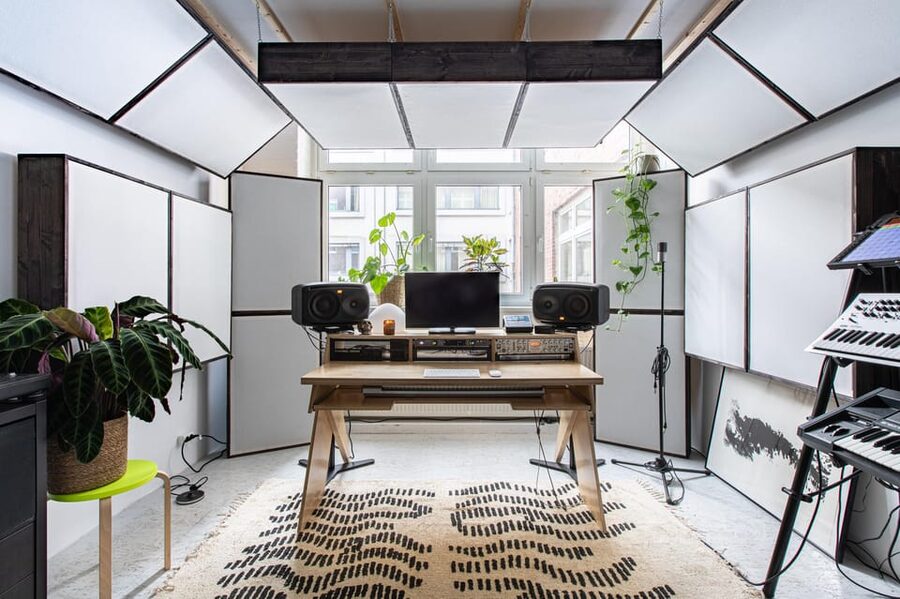
The activity lasts two hours, with starting times based on availability. It is wheelchair accessible, and instruction is provided in English.
You can cancel up to 24 hours before the start for a full refund. The reserve-now, pay-later option also helps if your Berlin schedule is still changing.
Smoking, alcohol, drugs, and littering are not allowed. These rules fit the focused studio setting and help protect the equipment. You should arrive ready to take part rather than treat the visit as a casual stop between drinks.
Bring curiosity more than technical preparation. Since no previous experience is required, you do not need to study production terms before arriving. If you already have an idea for a sound or track, it may help to bring that idea in your head, but the activity is designed to give you a starting point.
Should you book this Berlin music workshop?
Book it if you want a direct, practical introduction to house and techno production, especially if you value a small group and personal instruction. Andy Sexton’s session gives you more than a tour of studio equipment. You work through a track, learn how a workflow fits together, and see how club music takes shape.
Think twice if you want a long, advanced course or a finished commercial release in one sitting. Two hours is enough to build a track and understand the basics, but not enough to master every production skill.
For a first step into Berlin’s electronic music culture, I find the combination appealing: a real studio, useful equipment, an experienced teacher, and a clear creative result by the end. If you are ready to make noise, ask questions, and accept that your first track may be rough around the edges, this is a smart way to begin.
FAQ
Where does the music production workshop take place?
It takes place in Andy Sexton’s studio in the heart of Berlin’s clubbing district. The meeting point is the front door of a large industrial building with reddish-brown brick.
How long does the activity last?
The standard session lasts two hours. Starting times depend on availability.
Who teaches the session?
The instructor is music producer Andy Sexton.
What language is the workshop in?
The workshop is taught in English.
Do I need previous music production experience?
No. The activity is designed for beginners, although it can also suit music makers who want to improve their workflow.
How many people can join?
The group is limited to four participants.
What will I learn to do?
You will learn basic synthesizer and drum-machine programming, record and arrange a house or techno track, and mix it down in preparation for club play.
What equipment can I use?
The studio provides professional music-production software, modern and vintage music gear, microphones, and acoustic instruments including piano, guitar, and percussion.
Is the activity wheelchair accessible?
Yes, the activity is wheelchair accessible.
What is the minimum age?
Participants must be at least 10 years old. Children under 10 cannot take part.
Newest Berlin reviews
- Where It All Began: Berlin’s Queer & Trans History Tour★ 4.9 · 6 reviews
- Understanding Kreuzberg: The roots of local (sub)culture★ 4.9 · 11 reviews
- Berlin: guided canoe | kayaktour★ 4.1 · 7 reviews
- Private Potsdam City Tour in an authentic vintage van★ 5.0 · 14 reviews
- Warnemünde Shore Excursion: Private Sachsenhausen and Berlin Tour★ 5.0 · 12 reviews
- Ultimate E-Bike Tour of Berlin with Beer Garden Stop★ 5.0 · 4 reviews
- In the Forbidden City – Potsdam Walking Tour★ 5.0 · 17 reviews
- Private Walking Tour of Potsdam and Sanssouci★ 5.0 · 24 reviews
Berlin Creative Workshops, compared.
Wine on Canvas – Paint Workshop and Wine Tasting
Read our review →

Browse the lists this tour appears in