
Reviewed · ALTERNATIVE BERLIN TOURS
Berlin: Alternative & Street Art Tour
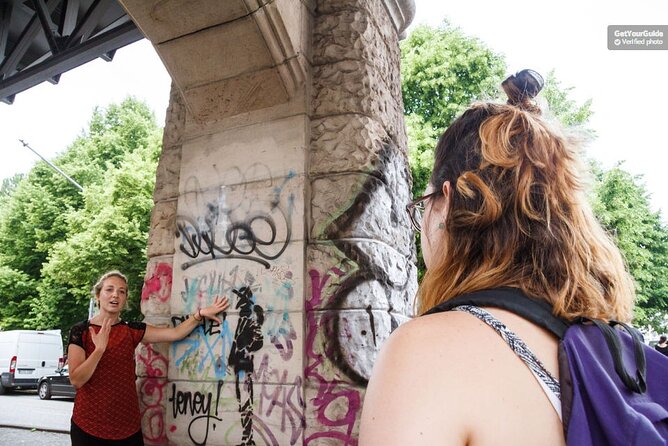
Berlin’s alternative culture is not tucked away in a museum. It is painted across walls, played through club speakers, built into odd corners, and argued over in the streets. This three-hour tour connects that world through places such as Haus Schwarzenberg, YAAM beach, SO36, and RAW Gelände. I like the focus on real subcultures and the way the tour links art with politics, music, squatting, and gentrification.
I also like the human touch. Guides such as Damien and Antonio Castello have been praised for bringing energy and clear insight to the walk. The drawback is that the route changes with the guide’s interests, so you may not get equal time at every listed stop. It also runs rain or shine, and you will need to handle your own food, drinks, and transport ticket.
Key points to know before you book
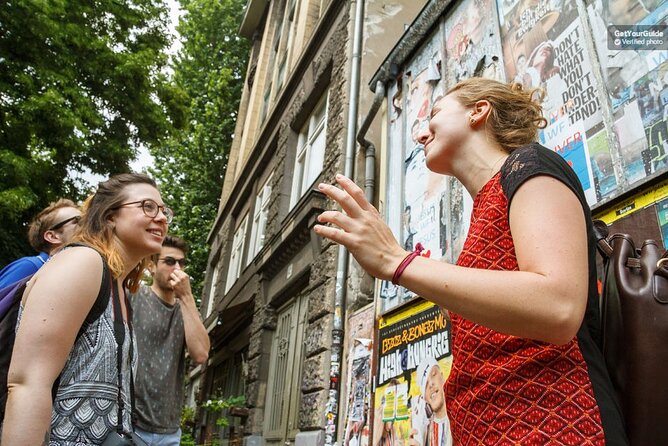
- A three-hour look at alternative Berlin: The tour connects graffiti, punk, techno, squatting culture, politics, and gentrification.
- Several memorable locations: Expect possible stops at Haus Schwarzenberg, YAAM beach, Künstlerhaus Bethanien, the Treehouse on the Wall, SO36, and RAW Gelände.
- The route changes slightly: Your guide’s background and interests shape the emphasis, with attention shifting between Mitte, Friedrichshain, and Kreuzberg.
- Good value at $23: For three hours with an English-speaking guide, the price is modest, especially if you want context rather than a quick wall-art photo stop.
- Simple meeting plan: Meet under the TV tower, in front of Vapiano, and finish back at the same point.
- Practical but weather-dependent: The tour is wheelchair accessible, suited to all ages, and runs in rain or shine.
Berlin’s alternative culture in three hours
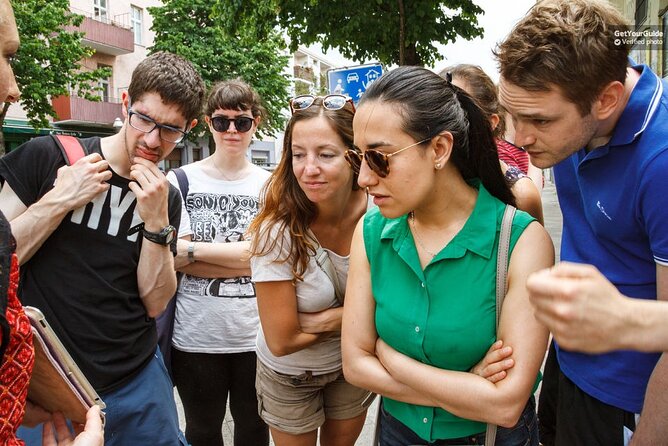
I like this tour because it does not treat street art as decoration alone. You get the paint, stickers, music, and unusual buildings, but you also hear why artists came to Berlin and how squatting, political protest, and rising rents shaped the city.
That matters because Berlin’s alternative identity is not one neat style. Punk, techno, political activism, temporary art spaces, beach bars, community projects, and graffiti all overlap, but they are not the same thing. A useful guide helps you see those differences instead of reducing everything to cool walls and edgy neighborhoods.
The walk gives you a first look rather than a final word. Three hours is enough to connect several parts of the city, but not enough to explore every venue or understand every neighborhood in detail. I would treat it as a strong introduction, especially early in your Berlin visit, then return on your own to the places that catch your interest.
More street art tours in Berlin:
- Berlin: City Street Art Guided Walking Tour
★ 4.8 · 886 reviews - Berlin: 3-Hour Street Art Tour
★ 4.7 · 778 reviews - Berlin Street Art Walking Tour – Off The Grid
★ 5.0 · 270 reviews
Starting beneath the TV tower
The meeting point is directly beneath the TV tower, in front of Vapiano. That is an easy landmark in central Berlin, and it keeps the start simple for anyone unfamiliar with the city.
From there, the tour sets out into the city’s alternative side. The exact order and emphasis can change. One guide may spend more time on street art in Mitte and Friedrichshain, while another may focus more on Kreuzberg’s political past, squatting culture, and gentrification.
That flexibility is useful because Berlin’s creative spaces do not fit neatly into one fixed route. The tradeoff is that you should not expect a rigid checklist in which every stop receives the same treatment. If a particular subject matters to you, ask your guide about it early.
The tour ends back at the starting point. That makes planning easier, especially if you have an evening reservation or want to continue sightseeing in central Berlin.
Haus Schwarzenberg and the art of the back street
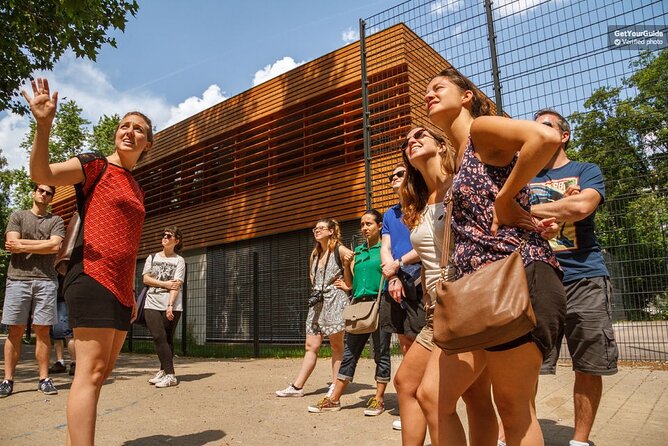
Haus Schwarzenberg is one of the strongest early examples of what makes this experience different from a standard city tour. It is associated with a rougher, more improvised kind of urban art, where walls and passageways become part of the setting.
You can expect plenty of photo opportunities here. The point, though, is not simply to collect a picture. The site helps explain how Berlin’s art culture often grew in overlooked or neglected spaces instead of formal galleries.
A guide can also help you look at the work more closely. You may learn how graffiti differs from other forms of street art, why artists choose certain surfaces, and how quickly an outdoor piece can disappear when a building changes hands.
Because this is an urban art tour, conditions can be a little rough around some locations. You will be walking through ordinary city spaces rather than entering a polished exhibition. That is part of the appeal, but it also means the experience depends on what remains on the walls that day.
Friedrichshain, graffiti, and changing city space
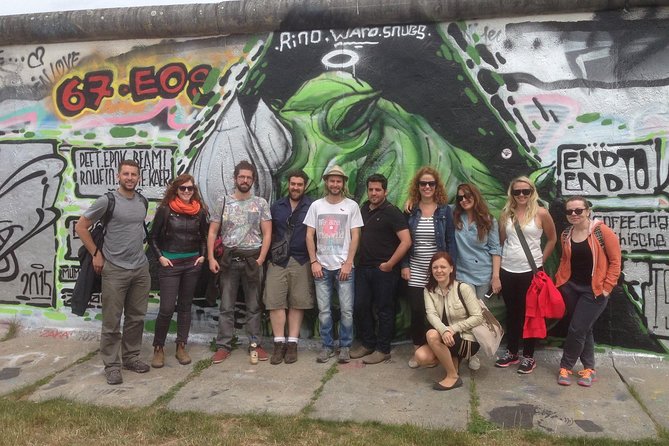
The Friedrichshain portion offers a look at Berlin’s street art and graffiti culture. The neighborhood is a useful setting because alternative art here exists alongside the daily life of a major city.
I like the chance to see how large painted works, smaller tags, posters, and political messages can share the same blocks. They do not all have the same purpose or artistic value. A good guide gives you tools for reading them instead of labeling every mark as art.
This section also connects to the city’s changing identity. Spaces that once felt outside the mainstream can become popular, photographed, and expensive. The tour uses that tension to explain why artists chose Berlin and why some of them later moved on.
The route will not turn every wall into a political lesson. The balance depends on your guide. Damien is described as enthusiastic and well prepared, while Antonio Castello is praised for bringing a strong personal feel to the experience. That makes the guide a major part of the value here.
More alternative tours in Berlin:
- Explore Berlin: See All The Iconic Sights & Some Hidden Gems
★ 5.0 · 4,429 reviews - Berlin: Alternative Berlin Walking Tour
★ 4.6 · 1,204 reviews - Berlin: Alternative Bike Tour of Kreuzberg & Friedrichshain
★ 4.7 · 548 reviews - Berlin: Alternative Berlin Bike Tour
★ 4.8 · 359 reviews
The Treehouse on the Wall
The Treehouse on the Wall is one of the more unusual locations included in the route. Its name alone signals the kind of place you are coming to see: improvised, personal, and difficult to classify as either public art or ordinary architecture.
This stop gives the tour a break from standard graffiti viewing. You get a sense of how alternative Berlin has also been shaped by people creating their own small spaces within a dense city.
The site is especially useful for families and curious first-time visitors because it shows that Berlin’s alternative culture is not limited to nightclubs or political murals. It can also appear in handmade structures and unconventional projects.
I would keep expectations flexible. The tour information does not promise a long visit or a particular presentation at each stop. Think of the Treehouse on the Wall as one piece of a wider story, not a full attraction with a separate program.
Kreuzberg, SO36, and the story of resistance
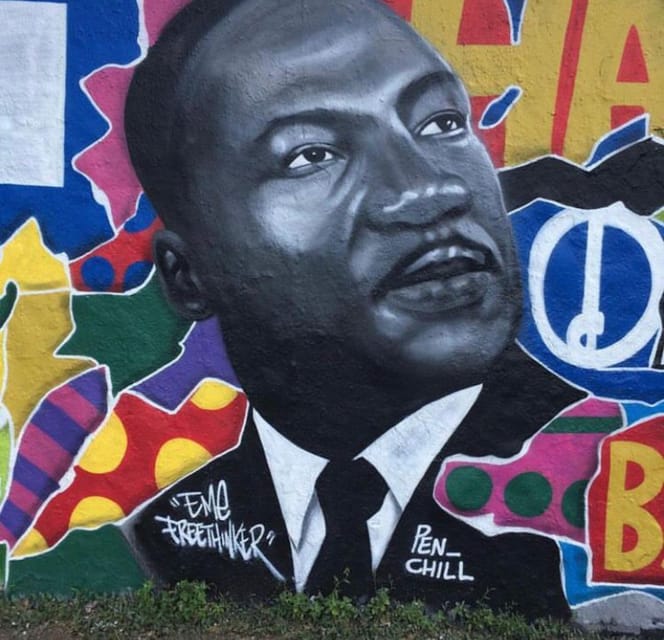
In Kreuzberg, the focus shifts toward squatting, revolution, politics, and gentrification. SO36 is an important name in this part of the tour because it connects with Berlin’s punk and alternative music culture.
Here, the guide can show how music venues and local gathering places became tied to neighborhood identity. Punk and techno are not presented only as entertainment. They are part of the larger story of people claiming space, building communities, and pushing back against established rules.
The gentrification discussion is one of the tour’s most useful elements. Berlin’s alternative reputation helped attract artists and visitors, but popularity can also change the very neighborhoods that made the city appealing. You get a chance to consider who benefits from that change and who may be pushed out.
This is also where a personal guide matters most. A printed route can point out a club or a mural, but it cannot easily explain why a place matters to Berliners. The strongest moments are likely to come when your guide connects a location with a story rather than simply naming it.
YAAM beach and Berlin’s unexpected leisure spaces
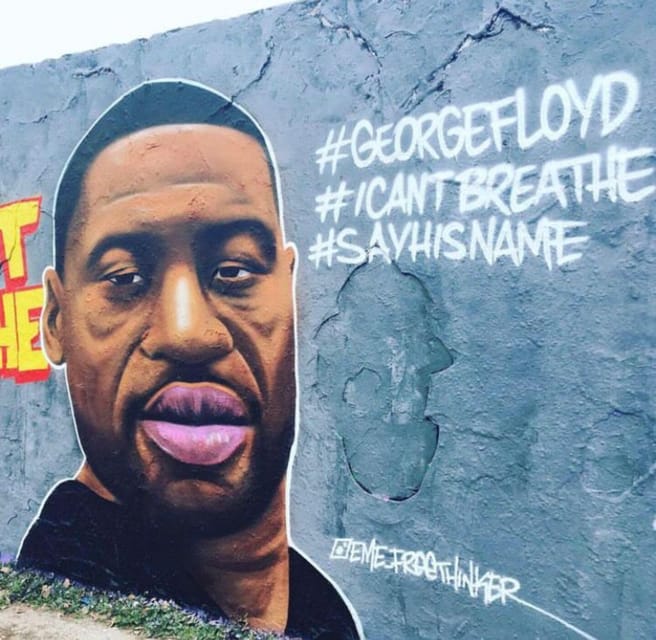
YAAM beach adds a different mood to the walk. Berlin is far from the sea, yet the city has created beach-like spaces along its waterways and open urban areas. YAAM represents the relaxed, cross-cultural side of the alternative scene.
I like this stop because it widens the tour beyond graffiti. You see how music, food, social life, and outdoor space can come together in places that feel separate from the city’s formal attractions.
The experience will depend on the day and the route. The tour does not include food or drinks, so plan to pay for anything you want along the way. You should also remember that the tour price covers the guide, not a full program of drinks, meals, or venue admission.
YAAM works best as a contrast to the more political and art-focused stops. It shows that alternative Berlin is not always confrontational. Sometimes it is simply about making room for a different kind of public life.
Künstlerhaus Bethanien and creative community
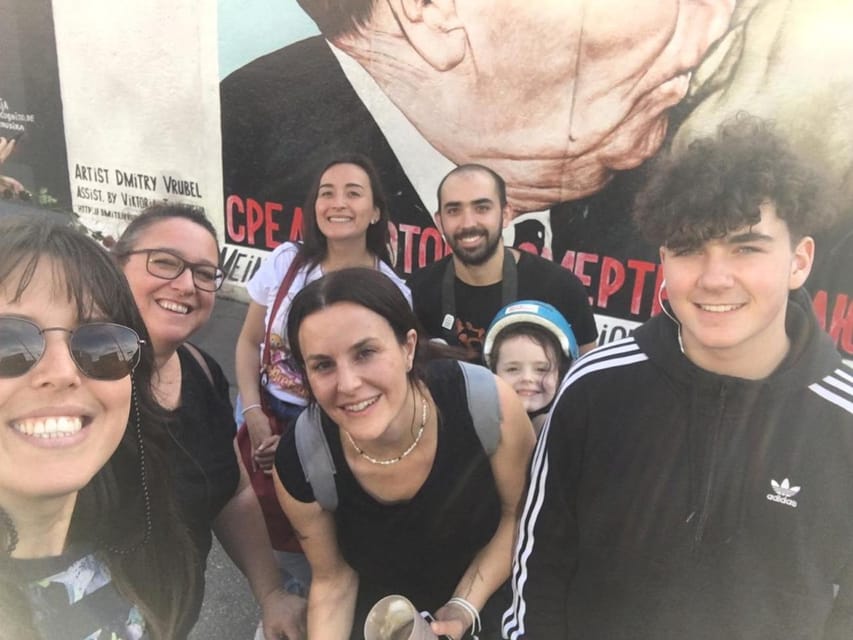
Künstlerhaus Bethanien brings the discussion back to organized creative work. Compared with informal graffiti locations and improvised projects, an artists’ house suggests a more structured setting for production and exchange.
That contrast is valuable. Berlin’s art scene includes both temporary work on a wall and longer-running spaces where artists can develop projects. Seeing both helps you avoid the common mistake of treating street art as one single movement.
The tour can also use this location to explain why Berlin drew artists in the first place. Lower costs, open space, political history, and a willingness to tolerate unconventional projects all helped make the city attractive. The exact explanation will vary by guide, but the stop supports the main question behind the tour: what makes Berlin so appealing to people who want to live outside the usual cultural lanes?
RAW Gelände and the city after dark
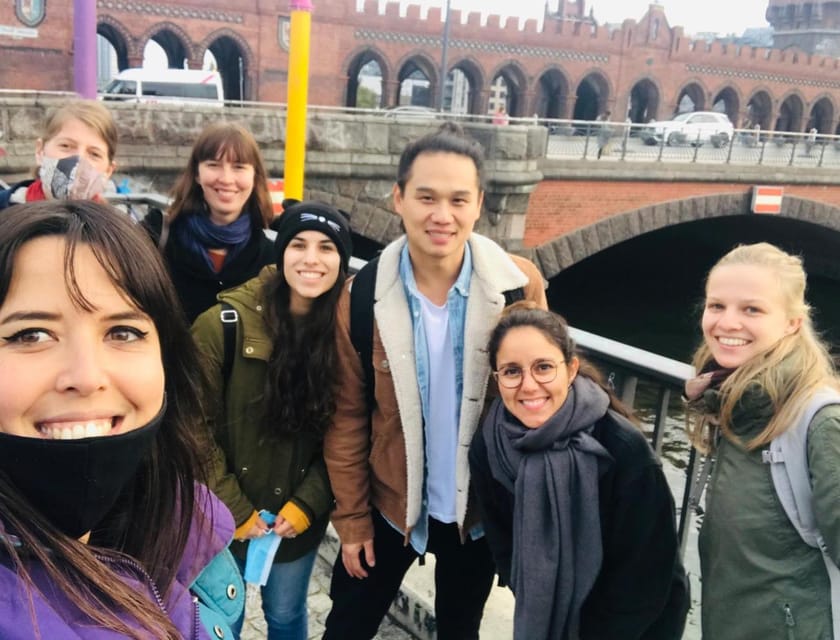
RAW Gelände is another key stop, tied to Berlin’s club, music, and alternative culture. It gives the tour a sense of the city after ordinary business hours, even if your visit takes place during the day.
This kind of place can be hard to understand without context. You might see painted walls, event spaces, and industrial traces, but the guide helps connect those details with music, nightlife, and the use of old urban sites for new purposes.
The location also shows the fragile side of alternative spaces. A former industrial setting can become a place for clubs and art, then attract attention from developers and investors. That cycle is central to Berlin’s modern identity.
Do not expect a nightclub visit or a guaranteed evening program. The tour is about seeing and discussing these places, not receiving admission to their events. If you want Berlin nightlife afterward, RAW Gelände may help you decide where to continue, but nightlife itself is not included.
What the changing route means for you
The itinerary has a clear list of possible stops, but the tour does not promise an identical route every day. The guide’s profession and personal interests influence the focus.
I see this as both a strength and a weakness. It is a strength because the experience can feel personal. A guide with a connection to music may explain SO36 and RAW Gelände in greater detail. Someone more focused on visual art may spend longer with graffiti, murals, and artists’ spaces.
It is a weakness if you have one must-see stop. You should not book this expecting a precise museum-style schedule. Instead, book it if you want a guided introduction to several parts of alternative Berlin and can accept some variation.
You can improve the experience by reading the listed locations before you go and deciding what interests you most. Then ask a direct question at the start. The guide can tell you how that day’s route is likely to unfold.
Price, pace, and practical value
At $23 per person, the tour is reasonably priced for three hours with an English-speaking guide. I consider it good value if you want interpretation and local context, not just transportation between photo stops.
The cost does not include food, drinks, gratuities, or a transportation ticket. Those extras are easy to overlook, so keep a little room in your budget. The meeting point and return point are the same, which helps reduce planning stress.
The tour is listed as wheelchair accessible and suitable for all ages. It takes place rain or shine, so check the forecast and dress for the conditions. Comfortable shoes are sensible for any three-hour city walk, though the provided information does not specify the exact walking distance.
You can cancel up to 24 hours before the tour for a full refund, and you can reserve now while paying later. Those options are useful if your Berlin schedule is still changing.
Who will get the most from this tour
I would recommend it to first-time Berlin visitors who want more than the usual landmarks. It suits you if you are curious about street art, punk, techno, political movements, unusual architecture, and the way neighborhoods change.
It also works well for families with older children, since the tour is suited to all ages and offers plenty to look at. The subject matter can be serious, especially around squatting and gentrification, but the route includes playful and surprising places as well.
Art-minded visitors will appreciate Haus Schwarzenberg, Künstlerhaus Bethanien, and the street work in Friedrichshain and Mitte. Music fans may find SO36, YAAM, and RAW Gelände more appealing. If you are mainly interested in Berlin’s royal palaces, major museums, or wartime memorials, this is not the right tour.
The experience may be less satisfying if you dislike changing plans or want a detailed historical lecture at every stop. The guide’s personal angle is part of the design.
Should you book the Berlin Alternative and Street Art Tour?
Book it if you want a quick, affordable introduction to the Berlin that exists beyond the postcard sights. For $23, you get three hours of street art, music culture, political history, squatting stories, and unusual urban spaces, all tied together by an English-speaking guide.
I would especially choose it near the start of a Berlin visit. The tour can show you which neighborhoods and subjects deserve more of your own time. Just accept that the route may change, bring weather-ready clothing, and do not expect food, drinks, transport tickets, or nightlife admission to be included.
If those limits suit you, this is a useful way to understand why Berlin continues to attract artists, musicians, activists, and people who prefer to build their own version of city life.
FAQ
How much does the Berlin Alternative and Street Art Tour cost?
The tour costs $23 per person.
How long does the tour last?
The activity lasts three hours. Starting times vary, so check availability when booking.
What language is the tour in?
The tour is conducted in English with a live English-speaking guide.
Where does the tour begin?
Meet directly beneath the TV tower, in front of the Vapiano restaurant.
Where does the tour end?
The tour ends back at the same meeting point beneath the TV tower.
What locations may be included?
Possible stops include Haus Schwarzenberg, YAAM beach, Künstlerhaus Bethanien, the Treehouse on the Wall, SO36, and RAW Gelände. The exact focus can change with the guide.
What is included, and what should I pay for separately?
An English-speaking guide is included. Food, drinks, gratuities, and a transportation ticket are not included.
Can I cancel the tour or pay later?
You can cancel up to 24 hours in advance for a full refund. You can also reserve your place and pay later.
Newest Berlin reviews
- Where It All Began: Berlin’s Queer & Trans History Tour★ 4.9 · 6 reviews
- Understanding Kreuzberg: The roots of local (sub)culture★ 4.9 · 11 reviews
- Berlin: guided canoe | kayaktour★ 4.1 · 7 reviews
- Private Potsdam City Tour in an authentic vintage van★ 5.0 · 14 reviews
- Warnemünde Shore Excursion: Private Sachsenhausen and Berlin Tour★ 5.0 · 12 reviews
- Ultimate E-Bike Tour of Berlin with Beer Garden Stop★ 5.0 · 4 reviews
- Potsdam Highlights – Private sightseeing tour by minibus★ 5.0 · 3 reviews
- In the Forbidden City – Potsdam Walking Tour★ 5.0 · 17 reviews
Alternative Berlin Tours, compared.
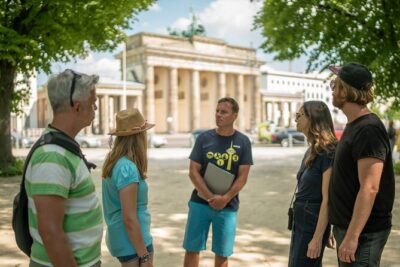
Explore Berlin: See All The Iconic Sights & Some Hidden Gems
Read our review →
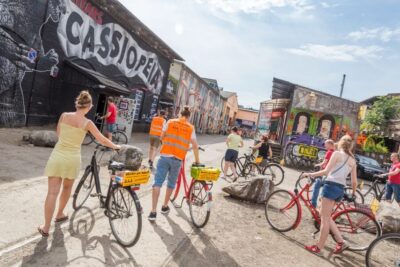
Alternative Bike Tour of Kreuzberg & Friedrichshain
Read our review →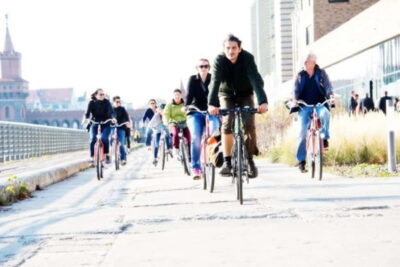
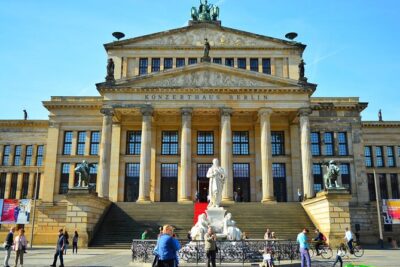
Private Berlin: Iconic Sights and Hidden Gems Walking Tour
Read our review →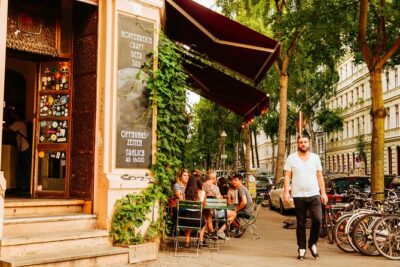
Kreuzberg Berlin: Off the Beaten Track PRIVATE Walking Tour
Read our review →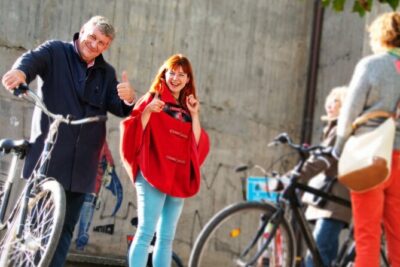
Experience the Alternative Kreuzberg on a Bike Tour
Read our review →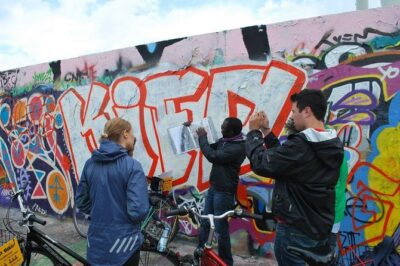
Alternative Berlin Bike Tour – Off the Beaten Tracks in Small Groups
Read our review →Browse the lists this tour appears in