
Reviewed · ALTERNATIVE BERLIN TOURS
Alternative Berlin Private Tour with Jacob – Graffiti and Squats
Berlin’s alternative culture is best understood by moving through its streets, not by staring at a museum display. This private tour connects graffiti, former squats, nightlife districts, and Cold War landmarks, giving you a fast look at the city’s creative and political side.
I like the personal format, with local guide Nadav Jacobs, also known as Jacob, leading only your group. I also like the practical extras: hotel pickup, a subway map, an A3 picture folder, and WhatsApp availability for questions during your Berlin visit.
The main drawback is the pace. You cover nine stops in about 2 hours and 45 minutes, and several visits last only 10 or 20 minutes. You will see a lot, but this is not the tour for slow sketching, long museum visits, or detailed study of every mural.
Key points to know
- Nine sharply different stops: Move from the Victory Column and Brandenburg Gate to Hackesche Höfe, Kreuzberg, and the East Side Gallery.
- A private format for up to 15 people: You get direct access to Jacob rather than sharing the guide with strangers.
- A strong focus on alternative Berlin: Graffiti, squats, LGBTQ culture, street food, nightlife, and former creative spaces shape the route.
- Hotel and station pickup included: You can begin at your hotel, apartment, Airbnb, train station, or Berlin airport.
- Public transport costs extra: Plan on €3 to €11 per person for a one-time or daily ticket.
- A brisk, active outing: You should be comfortable walking and changing locations during a short tour.
Why this route shows a different Berlin
Many first-time visits to Berlin center on grand monuments and wartime history. This tour keeps those landmarks, but uses them as doorways into the city’s modern identity.
You start with the Victory Column and the LGBTQ community, then move through Potsdamer Platz, the Brandenburg Gate, the Hackesche Höfe courtyards, Haus Schwarzenberg, Warschauer Strasse, Kreuzberg, and the East Side Gallery. The route links public history with street-level culture.
That mix is the main appeal. You are not only looking at famous buildings. You are also hearing about parades, artists, squats, street food, nightlife, murals, and the changing meaning of old spaces.
I would choose this tour if you want a broad introduction to Berlin’s alternative side in one outing. It works especially well early in a stay, since the subway map and local guidance can help you make sense of the city afterward.
More street art tours in Berlin:
- Berlin: City Street Art Guided Walking Tour
★ 4.8 · 886 reviews - Berlin: 3-Hour Street Art Tour
★ 4.7 · 778 reviews - Berlin Street Art Walking Tour – Off The Grid
★ 5.0 · 270 reviews
The Victory Column and Berlin’s LGBTQ story
The first stop is the Victory Column, with about 15 minutes set aside for the LGBTQ community and Berlin’s gay parade.
This gives Jacob a chance to place Berlin’s alternative culture in a wider social setting. The topic is not treated as a side note. It is one of the opening themes, which signals that the tour is about communities and public life as much as it is about buildings.
You should expect a short outdoor explanation rather than a long historical lecture. The stop is free, and the short timing helps keep the route moving.
If LGBTQ history is a major reason for booking, keep your expectations measured. The supplied details do not promise a dedicated museum visit or a full specialist history tour. You will get one focused part of a wider Berlin program.
Potsdamer Platz, from culture to business
At Potsdamer Platz, the focus shifts to Berlin as a center of culture, cinema, and business. This is a useful contrast with the graffiti and squats later in the route.
The stop lasts about 20 minutes and costs nothing to enter. You can expect Jacob to explain how this part of the city functions as a modern public center, then connect it with Berlin’s film and business life.
I like the placement here. It prevents the tour from reducing Berlin to abandoned buildings and rough-edged art. You see a more polished side of the capital before returning to its alternative spaces.
The tradeoff is that Potsdamer Platz is a general urban stop, not a private attraction. If you want an interior visit or a long cinema history lesson, this tour does not promise one.
The Brandenburg Gate, the Wall, and the hippies
The Brandenburg Gate brings the city’s most famous symbol into the route. The focus here is the Wall and the hippie presence connected with Berlin’s past.
The stop lasts about 20 minutes. That is enough for a clear orientation and a few stories, but not enough to explore every layer of the gate, the surrounding memorial sites, and the Wall in depth.
For me, this is where the tour’s method becomes clear. Jacob uses a landmark most people already know, then adds the less formal human stories around it. You are encouraged to think about who used Berlin’s public spaces and why the city attracted outsiders, artists, and alternative communities.
The tour also includes discussion of Second World War memorials, an aspect highlighted by a participant who especially valued learning about local art and those memorials. That detail matters if you want more than graffiti photos. The experience connects modern art with difficult chapters of Berlin’s past.
More alternative tours in Berlin:
- Explore Berlin: See All The Iconic Sights & Some Hidden Gems
★ 5.0 · 4,429 reviews - Berlin: Alternative Berlin Walking Tour
★ 4.6 · 1,204 reviews - Berlin: Alternative Bike Tour of Kreuzberg & Friedrichshain
★ 4.7 · 548 reviews - Berlin: Alternative Berlin Bike Tour
★ 4.8 · 359 reviews
Hackesche Höfe and Hackescher Markt
The route then reaches Hackesche Höfe, where you spend about 20 minutes looking at renovated courtyards and nightlife.
These courtyards offer a useful change of mood. The tour is not limited to raw walls and former squats. Here, you see renovated urban spaces and the way central Berlin blends architecture, restaurants, shops, and evening activity.
Next comes Hackescher Markt, with about 20 minutes devoted to Berlin street food, especially currywurst and döner kebab.
This is a practical stop because food tells you something about the city’s everyday character. Currywurst is strongly tied to Berlin, while döner reflects the city’s Turkish influence and its modern food culture.
Food is discussed rather than included in the tour price, so bring money if you want to buy something. The details do not state that a tasting is part of the booking.
Haus Schwarzenberg and the story of squats
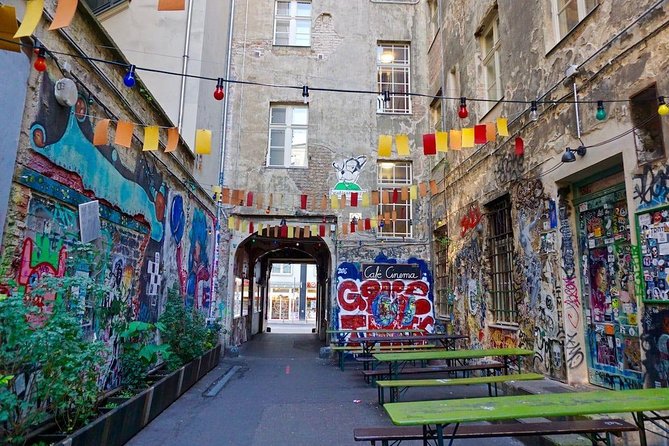
Haus Schwarzenberg is the most distinctive stop for people booking this experience specifically for alternative Berlin.
You get about 30 minutes here, the longest scheduled stop on the route. The discussion covers Tacheles and the Dead Chickens squats, placing Berlin’s artistic and squat culture at the center of the day.
The extended timing makes sense. A quick photograph would not explain why former squats matter, how artists used neglected spaces, or how creative communities shaped the city’s identity.
I would pay close attention here, especially if you have seen Berlin presented only through major monuments. The stories of Haus Schwarzenberg and the former Tacheles scene help explain how unconventional art found room in the city.
Still, the exact activities at the site are not specified. You should expect an outdoor cultural explanation, not assume that you will enter every space or see a working squat. The experience is strongest as a guided introduction to the people and ideas connected with these places.
Warschauer Strasse and hanging out in Berlin
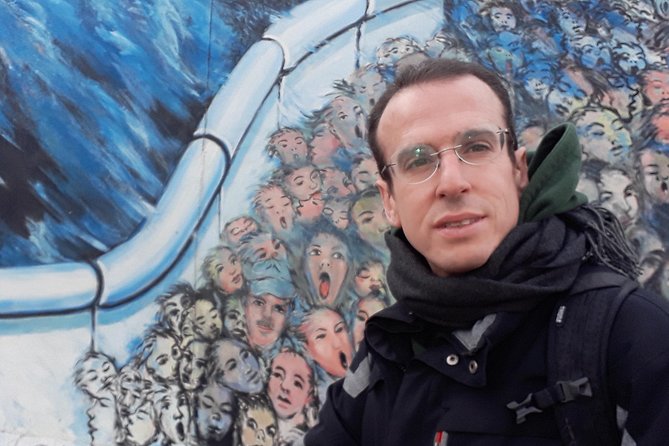
Warschauer Strasse receives about 20 minutes and is described as a hanging-out area of Berlin.
That phrase points to the social side of the city. After the formal settings of Potsdamer Platz and Brandenburg Gate, the route turns toward a place associated with meeting, nightlife, and spending time outdoors.
You may find this stop useful if you want ideas for how Berlin feels after the monuments close for the day. It also gives Jacob room to explain the city’s current social culture, rather than only its historical sites.
The short duration means you should not expect a full nightlife tour. The route introduces the area during a compact daytime program. If you want to stay longer, you can return on your own after the tour.
Kreuzberg’s murals and graffiti
Kreuzberg gets about 10 minutes, with the focus on murals and graffiti.
This is one of the tour’s clearest connections to street art. You will see how public walls can function as an unofficial record of political views, neighborhood identity, and artistic style.
Ten minutes is brief, so you may not have time to examine many works closely. Still, the stop adds visual energy and helps connect the earlier discussion of alternative communities with art you can see in the street.
Bring a camera if that matters to you, but remember that murals change. The route presents graffiti as part of a living city, not a permanent outdoor museum.
The East Side Gallery and the Wall
The final stop is the East Side Gallery, described as the longest gallery in the world. About 10 minutes are scheduled here.
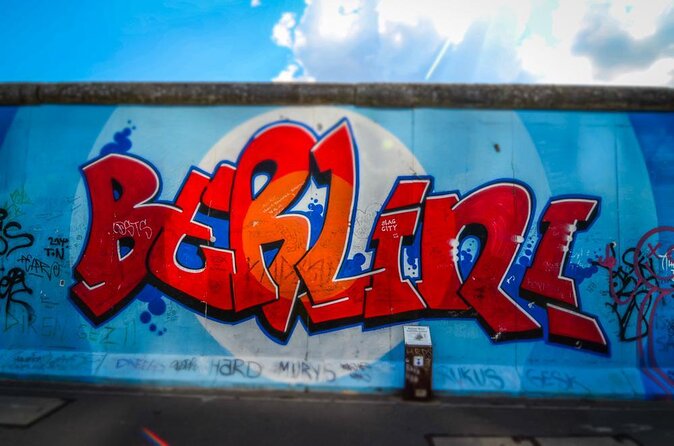
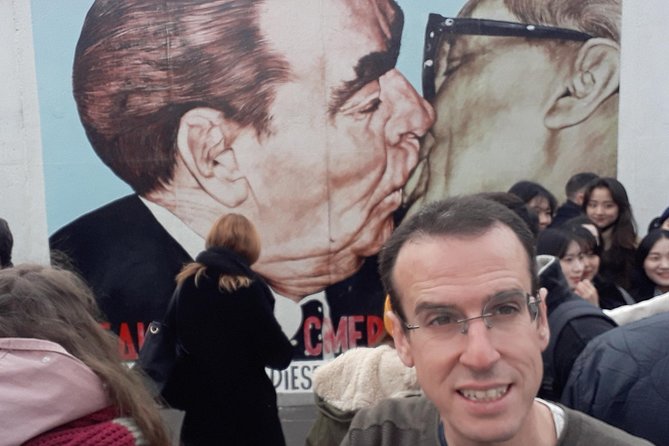
The gallery is a powerful final link between Berlin’s divided past and its creative present. Murals cover a remaining section of the Wall, turning a former barrier into an open-air art site.
You should think of this as a final overview rather than a full visit. Ten minutes is enough to see part of the gallery and understand why it matters, but not enough to walk its full length at an easy pace.
That limitation is important. If the East Side Gallery is your top priority, you may want to return later with more time. The tour gives you context and a starting point, then leaves you free to explore on your own.
What the private format is worth
The price is $310 per group, for as many as 15 people. That is a very different calculation from a per-person group tour.
For two people, the cost is high. For a group of six, it becomes more reasonable, and for a larger private group, the price can offer good value because you are sharing one guide rather than buying 15 separate tickets. The booking details also ask groups bigger than six to make contact, so larger parties should confirm arrangements before assuming everything is automatic.
The value comes from access and flexibility, not from included attractions. Every listed stop is free, and public transport is extra at about €3 to €11 per person for a one-time or daily ticket.
Hotel, apartment, Airbnb, train station, or airport pickup is included. That can save time and reduce the stress of figuring out where to meet in an unfamiliar city. A private van and driver are available upon request, but they are not part of the standard price.
You also receive an A3 guidance picture folder and a large subway map. These are modest extras, yet practical ones. Berlin’s cultural districts are spread out, so a clear transit reference can help you continue exploring after Jacob leaves.
Timing, walking, and how to prepare
The experience lasts about 2 hours and 45 minutes. You cover nine stops, with the longest scheduled visit at Haus Schwarzenberg and several stops lasting 10 or 20 minutes.
That schedule tells you how to approach the tour. I would treat it as a fast-moving orientation, not a relaxed neighborhood walk. Wear comfortable shoes, keep your camera ready, and avoid packing the rest of your day too tightly if you want time to stop for food or continue exploring.
Public transport is part of the practical planning, since the route covers widely separated parts of Berlin. The guide can help with the subway system, but you pay for your own ticket.
Pickup is offered from a hotel, apartment, Airbnb, train station, or airport in Berlin. You need to provide your preferred start time when booking. Confirmation is provided at booking, and the tour is private, so only your group takes part.
Service animals are allowed, and the activity is near public transportation. Most people can participate, although the active walking format may be less comfortable if you have limited mobility.
Who should book this Berlin tour
I would recommend it for an active visitor who wants several sides of Berlin in one compact experience. It is particularly well suited to:
- First-time visitors who want help understanding Berlin’s alternative culture
- Small groups that value a private guide
- Friends interested in graffiti, squats, nightlife, and street food
- Visitors who want LGBTQ culture included in a wider city tour
- People who prefer local stories to a formal museum route
- Larger groups that can divide the flat price among many people
I would be more cautious if you want a slow, detailed art tour. The itinerary is broad, and the brief stops leave little time for extended conversation at every site.
It may also be a poor match if you dislike public transportation or want all food, tickets, and vehicle costs included. The basic price covers the guide and private service, but not transit, food purchases, or a private van and driver.
Should you book it?
Book this tour if you want Jacob to connect Berlin’s graffiti, LGBTQ culture, squats, nightlife, street food, memorials, and Wall history in one private outing. The strongest parts are the personal format, the 30-minute Haus Schwarzenberg stop, and the practical help with Berlin’s subway system.
Think twice if you need long visits at the East Side Gallery, Kreuzberg, or Brandenburg Gate. With a $310 group price and no admission tickets included, the value improves as your group grows.
Free cancellation is available when you cancel at least 24 hours before the start time. That gives you some flexibility, but changes or cancellations inside that window are not accepted. For a group that wants a sharp introduction to Berlin’s less polished and more creative side, this is a useful choice.
FAQ
How long does the private Berlin tour last?
The tour lasts approximately 2 hours and 45 minutes.
How much does the tour cost?
The price is $310 per group, with up to 15 people included.
Who leads the tour?
The experience provider is Nadav Jacobs Berlin experience. The guide is identified as Nadav Jacobs, also referred to as Jacob.
Is hotel pickup included?
Yes. Pickup is offered from a hotel, apartment, Airbnb, train station, or airport in Berlin.
Are public transportation costs included?
No. Public transport costs about €3 to €11 per person for a one-time or daily ticket.
What is included with the tour?
The package includes a local guide, private touring for your group, pickup, an A3 guidance picture folder, WhatsApp availability for questions or help during your Berlin visit, and a large subway map.
Can I cancel for a full refund?
Yes. You can receive a full refund if you cancel at least 24 hours before the experience start time. Changes or cancellations made less than 24 hours before the start are not accepted.
Newest Berlin reviews
- Where It All Began: Berlin’s Queer & Trans History Tour★ 4.9 · 6 reviews
- Understanding Kreuzberg: The roots of local (sub)culture★ 4.9 · 11 reviews
- Berlin: guided canoe | kayaktour★ 4.1 · 7 reviews
- Private Potsdam City Tour in an authentic vintage van★ 5.0 · 14 reviews
- Warnemünde Shore Excursion: Private Sachsenhausen and Berlin Tour★ 5.0 · 12 reviews
- Ultimate E-Bike Tour of Berlin with Beer Garden Stop★ 5.0 · 4 reviews
- Private Walking Tour of Potsdam and Sanssouci★ 5.0 · 24 reviews
- Potsdam Highlights – Private sightseeing tour by minibus★ 5.0 · 3 reviews
Alternative Berlin Tours, compared.
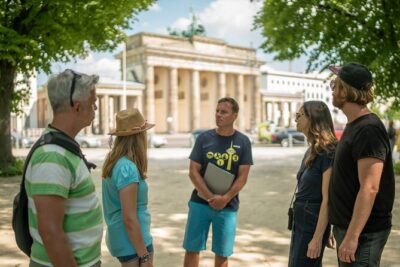
Explore Berlin: See All The Iconic Sights & Some Hidden Gems
Read our review →
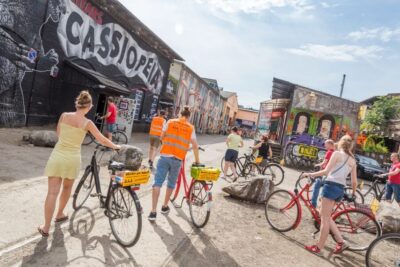
Alternative Bike Tour of Kreuzberg & Friedrichshain
Read our review →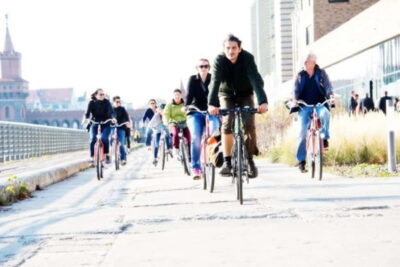
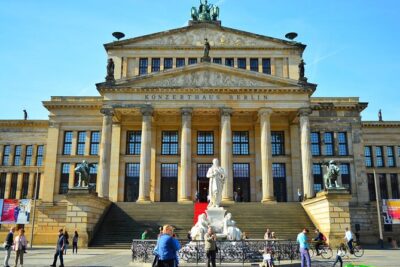
Private Berlin: Iconic Sights and Hidden Gems Walking Tour
Read our review →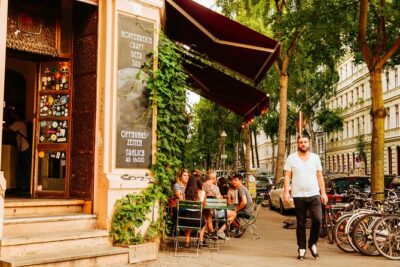
Kreuzberg Berlin: Off the Beaten Track PRIVATE Walking Tour
Read our review →
Experience the Alternative Kreuzberg on a Bike Tour
Read our review →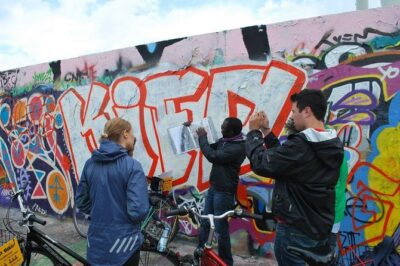
Alternative Berlin Bike Tour – Off the Beaten Tracks in Small Groups
Read our review →Browse the lists this tour appears in