
Reviewed · BERLIN FOOD TOURS
Berlin: 3-Hour Secret Food Tour
Berlin’s food story begins with a kebab, not a sausage. This three-hour walk moves from Mustafa’s famous street-food counter through tucked-away courtyards and historic passageways, then on to biscuits, Flammkuchen, currywurst, beer, and a secret final bite.
I like the small group of up to 10, which gives guides such as Felix, Francesco, Fotini, and Dania room to explain the food and answer questions. I also like the steady mix of eating and sightseeing, with enough walking between stops to keep the meal from feeling like one long sitting.
The main consideration is appetite. There is a lot of food, and some stops may be less traditionally German than you expect. If you want a focused sausage-and-schnitzel tour, this is not it. If you want Berlin’s mixed food culture, it makes much more sense.
Key points at a glance
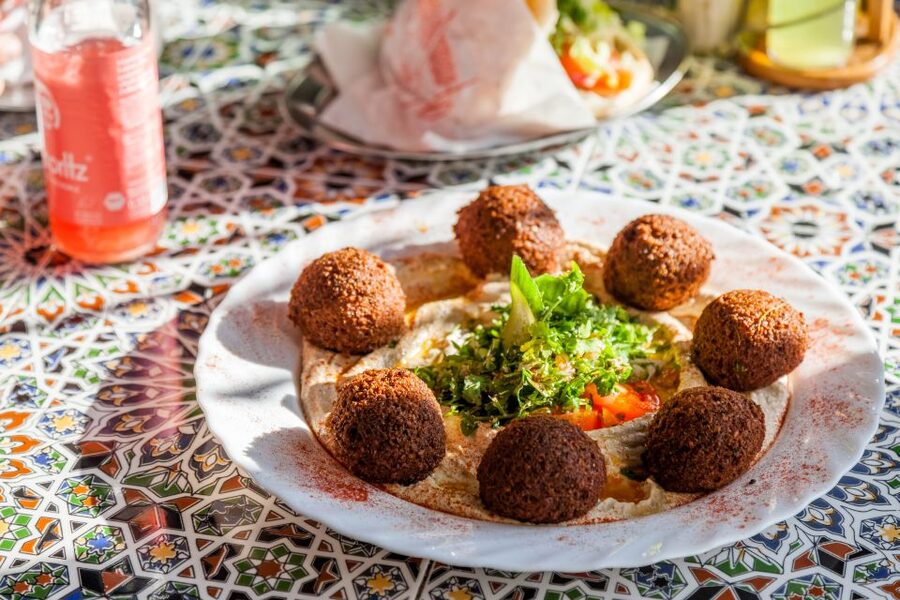
- Mustafa’s kebab starts the meal: Begin with one of Berlin’s best-known street foods, including a vegan option at some visits.
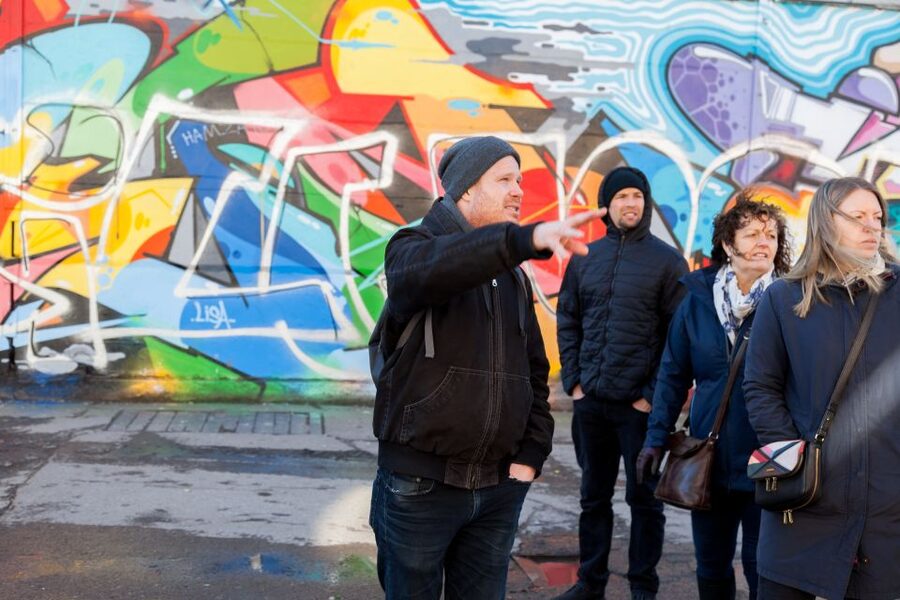
- The route mixes food with Berlin history: Walk through street-art-covered courtyards, side streets, and secret passageways in the historic centre.
- You get a broad tasting menu: Expect biscuits, Northern German food, Flammkuchen, currywurst, beer, wine, and a secret dish.
- Guides shape the experience: Felix, Francesco, Fotini, Dania, Dani, and Varusa have all led versions of this tour.
- The group stays intimate: With no more than 10 participants, it is easier to chat and ask questions.
- Come hungry and wear good shoes: The food is plentiful, and the three-hour route is best handled at an easy walking pace.
Why this food tour works in Berlin
Berlin is not a city with one tidy food identity. It has German classics, Turkish street food, immigrant-run restaurants, beer halls, modern bakeries, and dishes shaped by the city’s divided past. This tour uses that variety as its main idea.
You begin at Friedrichs Bridge, near Burgstraße 19, then set off with an English-speaking guide. The route combines short walks with several food stops, so you are not simply seated in one restaurant for three hours. That matters in Berlin, where the streets and neighborhoods often explain as much as the plate in front of you.
I like this format for a first visit. You get an introduction to local dishes, but you also hear how Berlin’s food connects with migration, the Cold War, neighborhood change, and everyday city life. Guides such as Felix and Francesco are especially praised for adding useful history and practical suggestions for the rest of your stay.
The tour ends back at the meeting point. Pickup and drop-off are not included, so you need to make your own way to Friedrichs Bridge and return from there after the final stop.
More food tours in Berlin:
- Berlin Center Food Tour with 8+ Authentic Local Tastings
★ 5.0 · 1,227 reviews - Big Bus Berlin Hop-On Hop-Off Sightseeing Tour & Currywurst
★ 4.0 · 856 reviews - Kreuzberg: Culinary Food Tour
★ 4.5 · 770 reviews
Starting with Mustafa’s famous kebab
The first food stop is Mustafa’s kebab, one of the names most closely tied to Berlin street food. The exact location and arrangement can change, but the point is clear: you begin with a dish that reflects the city’s Turkish influence and modern eating habits.
This is a useful opening because it challenges the idea that German food means only pork, potatoes, and pretzels. Berlin’s kebab culture is now part of the city’s daily rhythm. The tasting may include a vegetable kebab, and a vegan option has been available on some tours.
The kebab is also one of the most praised parts of the experience. I would save room for it, even if you have eaten one elsewhere in Berlin. The stop gives your guide a chance to explain how food from immigrant communities became part of the city’s identity.
One practical note: this is a popular food name, but the tour is not presented as a private queue-jumping visit. Availability and location can affect the itinerary, so you should expect the order or exact stop to change.
Courtyards, passageways, and the older city
After the first bite, the tour turns into a walking introduction to central Berlin. You pass street-art-covered courtyards and less obvious passageways, with the guide pointing out details that are easy to miss when you move between major sights on your own.
This part helps break up the meal. A few guests have wished for more time at some stops, but the general walking portion is described as moderate. You are not signing up for a hard hike. You are walking between food venues while hearing about the neighborhoods and the city’s past.
I like this pause between tastings. It keeps the pace comfortable and gives you time to talk with the group. It also helps you understand why the food is so varied. Berlin has changed sharply over time, and its restaurants and street stalls reflect those changes.
The route is not designed as a full historical tour, so do not expect a detailed lecture at every corner. Still, guides such as Francesco and Felix are noted for bringing in stories about World War II, the Cold War, and Berlin’s neighborhoods. That background adds weight to what might otherwise be a simple series of snacks.
German biscuits at a classic deli
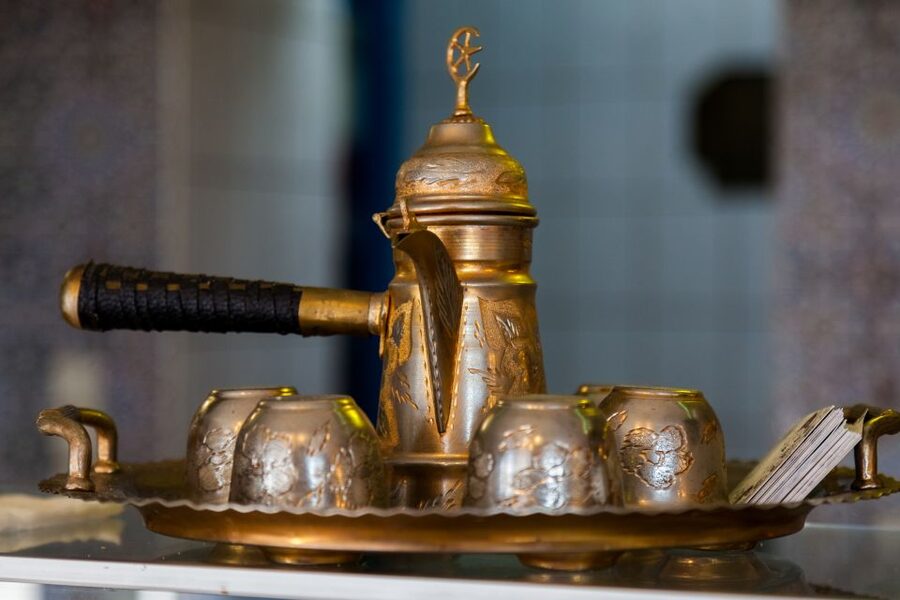
The next stop takes you to a traditional German deli for biscuits. This is a smaller tasting than the kebab or the final meal, but it gives the tour a more familiar German flavor.
I appreciate this kind of stop because it shows the gap between what Berlin sells to visitors and what appears in an ordinary deli. Biscuits may not sound like the most dramatic food on the route, but they offer a useful change of pace and a chance to discuss German baking and sweets.
The tour also includes a Berlin doughnut at some point. One was singled out as an especially memorable bite, so you should not assume the savory food will be the only highlight. The exact pastry selection can change with the places available that day.
If you are counting on every stop being a sit-down tasting, adjust your expectations. Some visits are quick pickups, followed by a walk and more commentary. That is part of the appeal for me, but it may feel rushed if you prefer long meals with plenty of table time.
More three-hour experiences in Berlin:
- Berlin Highlights 3-Hour Bike Tour
★ 5.0 · 948 reviews - Berlin Highlights: 3-Hour Bike Tour
★ 4.9 · 809 reviews - Berlin: 3-Hour Street Art Tour
★ 4.7 · 778 reviews - Berlin: 3-Hour Segway Tour
★ 4.7 · 112 reviews
Northern food and Flammkuchen in a historic restaurant
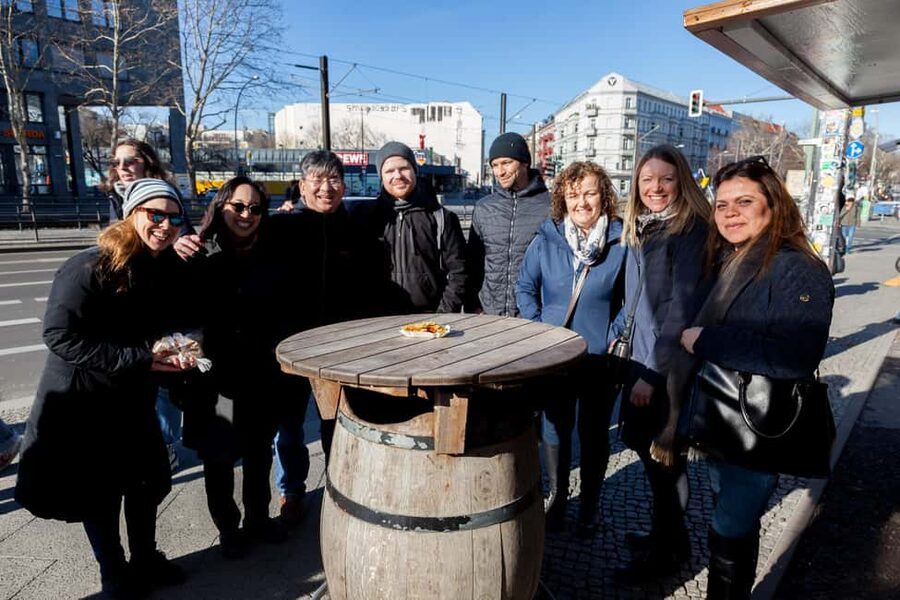
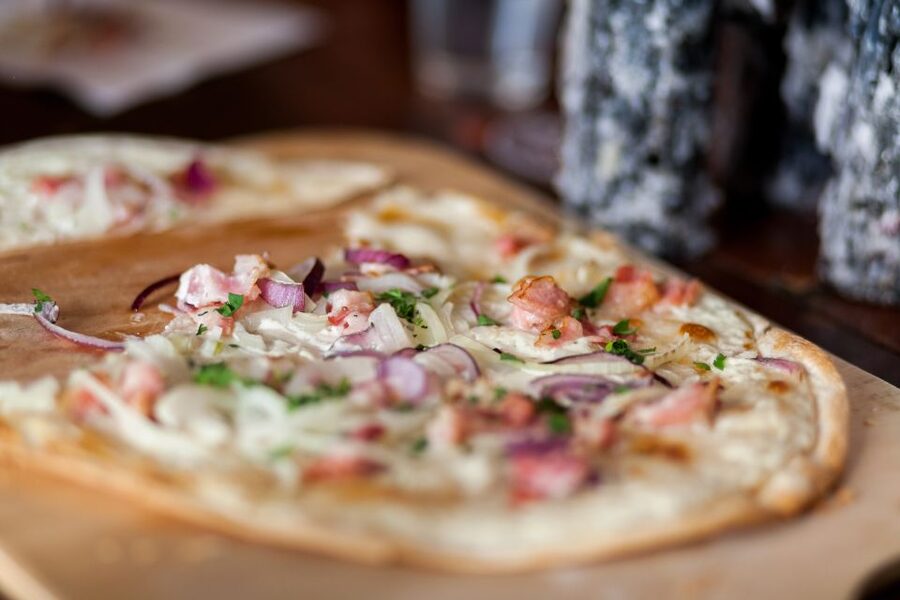
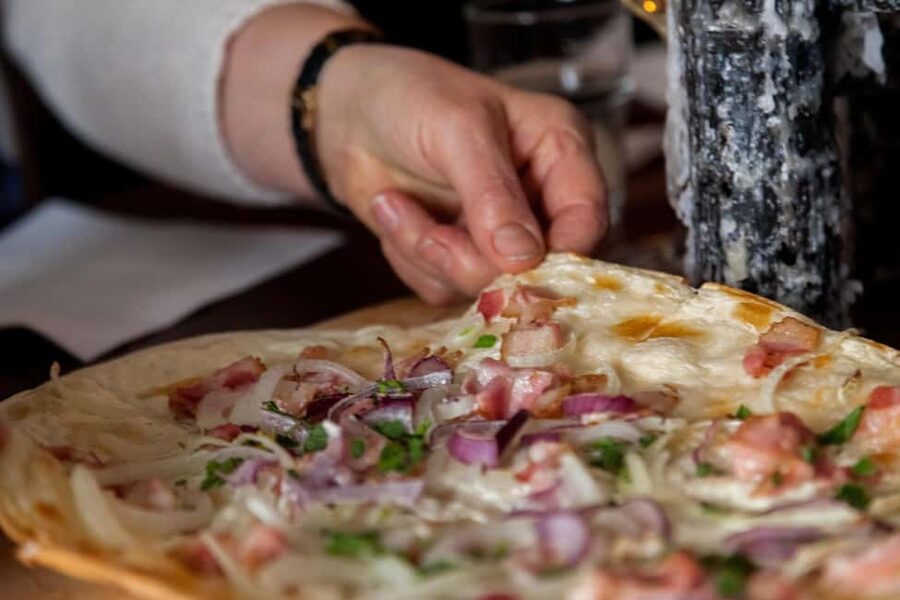
A major stop is an historic restaurant serving traditional Northern cuisine and Flammkuchen, also called tarte flambée. You also receive a glass of regional wine, or a non-alcoholic alternative.
Flammkuchen is a thin, crisp flatbread associated with the German and French border region. It is not the same as a thick pizza, and its light texture works well in a tasting menu. Here, it gives you a dish that sits between a snack and a full meal.
This is one of the places where the tour shifts from street food to dining-room food. That contrast is valuable. You can compare a quick kebab eaten as part of Berlin’s street culture with a more traditional restaurant dish served at a slower pace.
The meal is substantial enough that you should not plan a large lunch afterward. Several guides have spaced the stops with walking and local stories, which helps, but the portions still add up. I would treat the tour as a full meal rather than a sampler before dinner.
Currywurst and the taste of the Cold War
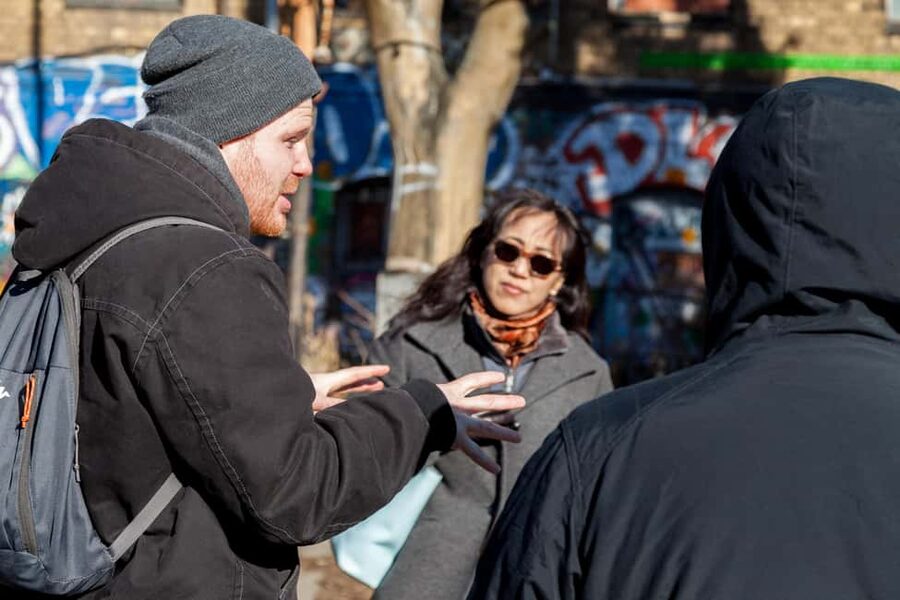
No Berlin food walk would feel complete without currywurst. The tour includes this famous sausage dish at a favored local spot and frames it as a Cold War-era staple.
Currywurst is simple: sausage with a spiced tomato-based sauce, usually served as casual street food. Its importance is less about culinary complexity than about place and memory. It became closely linked with postwar Berlin and remains one of the city’s most recognizable quick meals.
This is another reason the tour works better than a standard restaurant crawl. You are not just ticking off dishes. You are hearing why a food matters in Berlin and how it fits into the city’s story.
The downside is that currywurst is not a surprise if you have already eaten it during your stay. Still, the guide’s context can make a familiar dish more interesting. If you are vegetarian or have dietary restrictions, contact the operator before booking rather than assuming every stop can be changed.
Beer at a local brewery
The tasting continues with a visit to a local brewery for a pint of fresh German beer. A non-alcoholic option is available, and the tour also provides a bottle of water.
This final drink helps turn the group into a social gathering. You are no longer rushing from one counter to the next. Depending on the day and the venue, you may have time to talk with the guide and the other participants over a beer.
The brewery stop is also practical. A pint gives you a clear sense of how the tour handles drinks, since beer and wine are included rather than treated as extra purchases. If you do not drink alcohol, you are not left without an option.
The beer can arrive late in the meal, so pace yourself. The food comes in several rounds, and the full combination of wine, beer, biscuits, savory dishes, and the secret course can be more filling than the schedule suggests.
The secret dish and changing itinerary
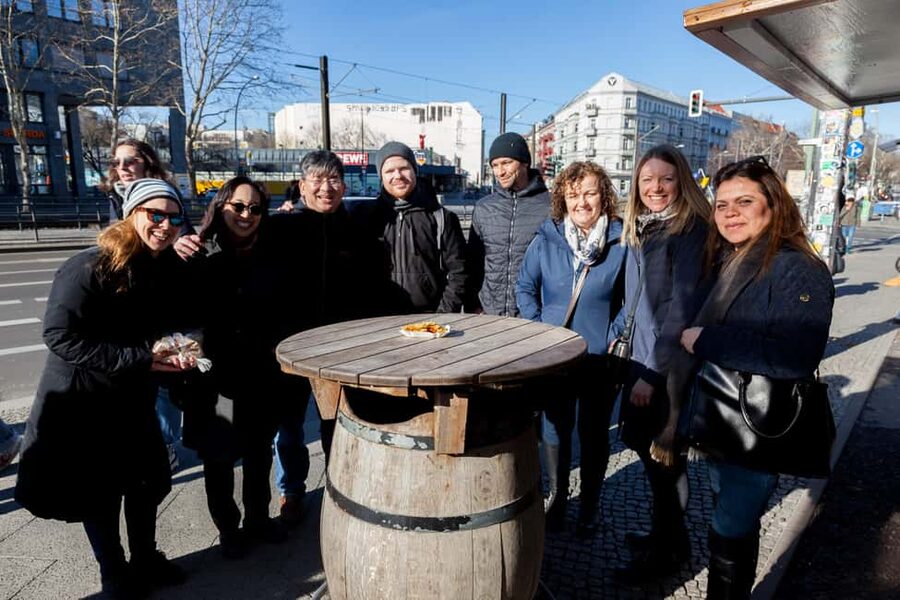
As with the operator’s other food tours, there is a secret dish. Its identity is not given in advance, and the menu can change because of venue availability, weather, or local conditions.
That uncertainty is part of the fun, but it is also the main reason not to book this tour if you need a fixed menu. The itinerary may not look exactly the same on every departure. One practical tip is to ask what the final stop includes when you meet the guide, especially if you are already feeling full.
The secret dish may be better enjoyed earlier in the sequence for some people. A full restaurant meal near the end can be hard to appreciate after several earlier tastings. On the other hand, ending with food and drinks gives the group a natural place to relax together.
You should also contact the local partner before booking if you have allergies, follow a special diet, or need vegetarian, vegan, or other substitutions. The tour has offered vegan food at the kebab stop, but the information does not promise that every stop can meet every dietary need.
What the three-hour pace feels like
Three hours is enough time for a broad introduction without taking up an entire day. You will eat at several places, walk through central Berlin, hear local stories, and return to the starting point.
The route is described as moderate rather than strenuous. Comfortable shoes are still important because you will be on your feet between stops, and Berlin’s streets can be tiring when you are also carrying a full meal.
I like the balance of movement and food. The walking gives you time to digest, take in the surroundings, and ask questions. Some people may want longer conversations at each restaurant, but the number of stops means the tour keeps moving.
The small group size is a real advantage. With up to 10 people, it is easier to hear the guide and keep the group together. Guides including Felix, Francesco, Fotini, Dani, Dania, and Varusa have been praised for making the group feel comfortable and connected. Your exact guide will depend on the departure.
Is $106 a fair price?
At $106 per person, this is not the cheapest way to eat in Berlin. You could buy currywurst, kebab, beer, and pastries on your own for less money.
The value comes from the combination. The fee includes the guide, food, German wine or non-alcoholic choices, German beer or non-alcoholic choices, and a bottle of water. You are also paying for the route, the explanations, the restaurant arrangements, and the time saved finding suitable places.
I would consider the price fair if you want one organized afternoon that covers several parts of Berlin’s food culture. It is especially useful on a first visit, when you still need help deciding what to eat and where to return later.
It is less good value if you already know Berlin well, prefer choosing every dish yourself, or want a single cuisine. The tour is broad by design. Some of the food is traditional German, while some reflects Berlin’s multicultural present.
Who should book this experience?
I would recommend it to first-time visitors who want food and city orientation at the same time. It also suits solo visitors and couples who like meeting a small group, as well as colleagues looking for a relaxed activity during a business trip.
It works well for people who enjoy stories with their meals. Guides often add information about Berlin’s past, neighborhoods, food traditions, and nightlife, and they can offer ideas for the rest of your stay.
Families with older children may also enjoy the variety, though the available information does not give a specific child price or child menu. Ask before booking if that matters to you.
I would hesitate if you need a strict dietary plan, dislike beer or wine, want a short walk, or prefer a formal, unhurried restaurant meal. The route changes, the tastings are varied, and the total amount of food is considerable.
Final decision: book it early in your Berlin stay
I would book this tour near the start of a Berlin visit, not on your last afternoon. The food introduces you to dishes you might otherwise overlook, and the guides can suggest places to go afterward.
Book it if you want a generous food introduction paired with local history, especially in a small group. Skip it if you want a fixed menu or a purely traditional German meal.
The 4.8 rating from 269 reviews fits the strongest parts of the experience: warm guides, excellent food, useful city context, and a friendly group atmosphere. Just arrive hungry, wear comfortable shoes, and leave your dinner plans open.
FAQ
How long is the Berlin Secret Food Tour?
The tour lasts three hours.
Where does the tour begin?
Meet the guide at Friedrichs Bridge, Friedrichsbrucke, at Burgstraße 19, 10178 Berlin, Germany.
Where does the tour end?
The activity ends back at the meeting point.
What language is the tour conducted in?
The live tour guide speaks English.
How many people are in the group?
The group is limited to 10 participants.
What food is included?
The itinerary includes kebab, German biscuits, Northern cuisine, Flammkuchen, currywurst, and a secret dish. The exact itinerary can change.
Are drinks included?
Yes. German wine or a non-alcoholic alternative, German beer or a non-alcoholic alternative, and a bottle of water are included.
Is the kebab suitable for vegans?
A vegan option has been available at Mustafa’s kebab. Contact the local partner before booking to discuss your dietary needs.
What should I bring?
Wear comfortable shoes for the walking portions of the tour.
Can I cancel the booking?
You can cancel up to 24 hours in advance for a full refund. You can also reserve now and pay later.
Newest Berlin reviews
- Where It All Began: Berlin’s Queer & Trans History Tour★ 4.9 · 6 reviews
- Understanding Kreuzberg: The roots of local (sub)culture★ 4.9 · 11 reviews
- Berlin: guided canoe | kayaktour★ 4.1 · 7 reviews
- Private Potsdam City Tour in an authentic vintage van★ 5.0 · 14 reviews
- Warnemünde Shore Excursion: Private Sachsenhausen and Berlin Tour★ 5.0 · 12 reviews
- Ultimate E-Bike Tour of Berlin with Beer Garden Stop★ 5.0 · 4 reviews
- In the Forbidden City – Potsdam Walking Tour★ 5.0 · 17 reviews
- Private Walking Tour of Potsdam and Sanssouci★ 5.0 · 24 reviews
Berlin Food Tours, compared.

Berlin Center Food Tour with 8+ Authentic Local Tastings
Read our review →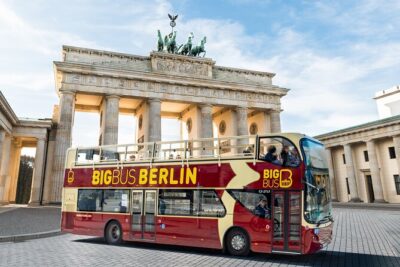
Big Bus Berlin Hop-On Hop-Off Sightseeing Tour & Currywurst
Read our review →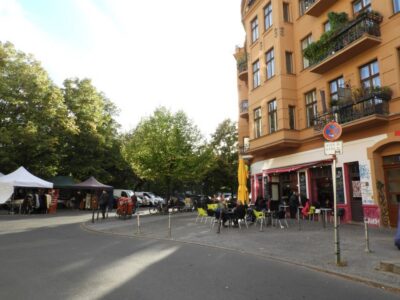

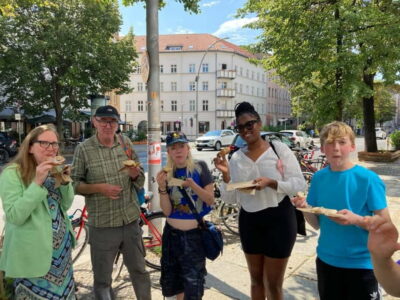
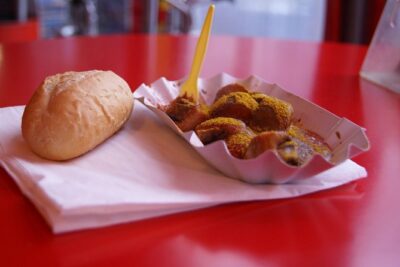
Classic Bites and Culinary Trends Neighborhood Food Tour in Berlin
Read our review →
Berlin Private Walking Food Tour With Locals: the 10 Tastings
Read our review →
Browse the lists this tour appears in