

Reviewed · BERLIN
Berlin: Classical Concert at Kaiser Wilhelm Memorial Church
The big draw here is the pairing of familiar classical music with Berlin’s Kaiser Wilhelm Memorial Church. In one short evening, you may hear Vivaldi’s Spring and Summer, Bach’s Air on the G String, Mozart’s Lacrimosa, Beethoven’s Fifth, and powerful organ works by Bach and Widor.
I like the 70-minute length, which fits neatly into a sightseeing day, and I like the mix of strings, voice, violin, and organ rather than a single-style recital. The main consideration is that this may be a smaller ensemble, not a full symphony orchestra, and some seats have limited views or less ideal sound.
Key points at a glance
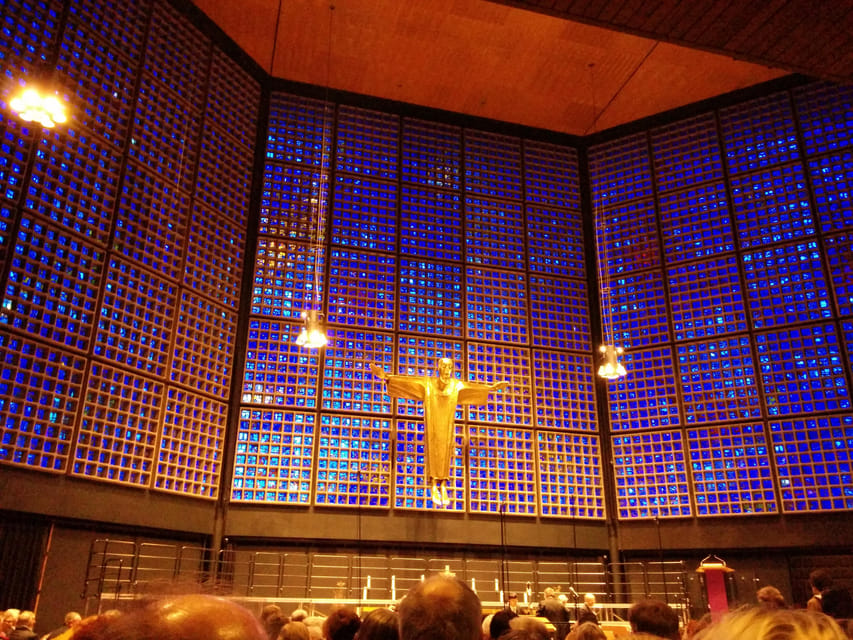
- The Kaiser Wilhelm Memorial Church setting: Hear classical music inside one of Berlin’s most memorable religious landmarks.
- A compact 70-minute program: You get a complete evening performance without giving up the rest of your night.
- Organ music is a major highlight: Bach’s Toccata and Fugue in D minor and Widor’s Toccata can bring the building alive.
- Duangamorn Fu leads the vocal side: The acclaimed Thai soprano joins organist Vladimir Magalashvili and a violin soloist.
- A familiar, approachable playlist: The program includes pieces many first-time concertgoers already know.
- Good value at $27: The price is modest for a live performance in such a distinctive Berlin venue, though seat location matters.
Why this concert works so well in Berlin
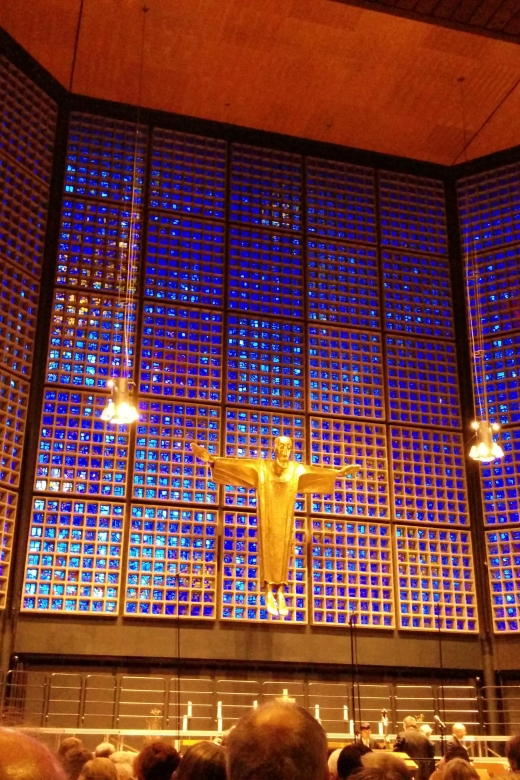
Berlin has no shortage of museums, memorials, galleries, and late-night plans. A classical concert gives you a useful change of pace. You sit down, turn off the sightseeing brain for a while, and let the music carry the evening.
This performance is especially approachable because the program leans heavily on famous works. You do not need a background in music to recognize the drama of Beethoven’s Fifth, the calm of Schubert’s Ave Maria, or the opening force of Bach’s Toccata and Fugue in D minor. The selection is designed for immediate appeal rather than scholarly discovery.
I also like the balance of the program. Strings provide the core sound, while the soprano, violin, and organ add variety. You are not listening to the same arrangement for 70 minutes. The voice changes the mood, the solo violin brings a more personal touch, and the organ gives the concert its biggest sonic moments.
The setting does much of the work, too. Kaiser Wilhelm Memorial Church is a memorable place for music, with an atmosphere very different from a modern concert hall. That atmosphere can make familiar pieces feel new, even if you have heard them many times before.
More live music in Berlin:
- Berlin: Classical concerts at the Bode Museum Berlin
★ 4.3 · 26 reviews - Berlin: Classical concerts in Köpenick Palace – Aurora Hall
★ 4.1 · 5 reviews
Arriving at Kaiser Wilhelm Memorial Church
You begin and end at Kaiser Wilhelm Memorial Church, so transportation is not part of the ticket. Plan your own way to the church and arrive before the listed start time. The venue is in a well-known part of Berlin, and its location makes the concert easy to pair with an evening in the surrounding city.
Allow extra time at the entrance. The performance itself is straightforward, but ticket handling can be less polished than you might expect. Printed tickets may be involved at entry, and seat assignment procedures can cause a queue or confusion. If you arrive early, you have a better chance of getting oriented without rushing.
The seating categories are another point to watch. The booking information does not clearly explain what categories 1, 2, and 3 mean, and the view can vary by location. If seeing the musicians closely matters to you, pay attention to the seat category and be ready for a view that may not be perfect.
You may also find that the seating area places you farther from the performers than expected. That does not ruin the music, but it changes the experience from an intimate recital to a more atmospheric concert in a large church.
The church as part of the performance

The Kaiser Wilhelm Memorial Church is not a neutral room. Its haunting character is one of the reasons to choose this event instead of a standard concert venue. The building gives the evening a sense of place, and the organ music seems especially well matched to it.
At the same time, church acoustics can be unpredictable. Sound may linger, which can make organ music feel grand and glowing. It can also blur fast string passages or soften the clarity of individual instruments. The performance setting is part of the charm, but it is not always as precise as a purpose-built concert hall.
This is worth keeping in mind if you are a serious concert listener. You may prefer the clean sound and carefully controlled acoustics of a major Philharmonie performance. For many people, though, the character of the church matters more than perfect technical separation.
The venue is air-conditioned in summer, which is useful during warm Berlin evenings. There is no official dress code. You can attend in normal sightseeing clothes, though I would still choose something neat and comfortable since this is a concert rather than a casual street performance.
The 70-minute program, piece by piece
The exact program can change, but the advertised selection gives you a clear idea of the evening’s shape. It moves through well-known works from the Baroque, Classical, Romantic, and later periods.
A different sort of day out in Berlin:
- Berlin: Reichstag, Dome and Government District Guided Tour
★ 4.7 · 18,288 reviews - Berlin: 1-Hour City Tour by Boat with Guaranteed Seating
★ 4.3 · 16,993 reviews - Berlin: Boat Tour Along the River Spree
★ 4.4 · 11,252 reviews - Discover Berlin Half-Day Walking Tour
★ 5.0 · 9,624 reviews
Vivaldi’s Spring and Summer
The concert opens with selections from Antonio Vivaldi’s The Four Seasons, specifically Spring and Summer. These pieces are a natural choice for a small string ensemble because the solo violin and recurring musical images remain clear without requiring a huge orchestra.
You can expect a bright, energetic beginning. Spring has an immediately recognizable lift, while Summer brings more tension and heat. The violin soloist becomes particularly important here, since the solo line carries much of the character.
Mozart’s Lacrimosa
Mozart’s Lacrimosa shifts the mood toward something darker and more solemn. It is one of the best-known moments from the Requiem, and its emotional weight is easy to understand even if you do not follow the larger work.
With soprano Duangamorn Fu part of the program, the vocal element adds a human voice to the instrumental sound. Her background includes training in Vienna and Berlin, international competition success, and an opera debut as Gretel in 2022. She later appeared as the absolute winner of a 2024 debut concert at the Berlin Philharmonie.
The advertised details do not specify every vocal arrangement, so you should think of this as a concert selection rather than a complete performance of Mozart’s Requiem. That is important: you are hearing highlights, not a full choral work.
Bach’s Toccata and Fugue in D minor
This is likely to be one of the evening’s biggest moments. Bach’s Toccata and Fugue in D minor is closely tied to the sound of the pipe organ, and its dramatic opening has an instant theatrical force.
I especially like the placement of organ works in a program otherwise built around strings and voice. The change in scale gives your ears a fresh start. Instead of hearing 70 minutes of similar instrumentation, you get a powerful burst of sound that uses the church itself.
The organ is not just another instrument here. It can make the whole room feel involved. Your experience will depend partly on your seat and the building’s acoustics, but this is one of the pieces to anticipate.
Bach’s Air on the G String
After the drama of the Toccata and Fugue, Bach’s Air on the G String offers a calmer, more flowing mood. It is one of the program’s gentler selections and gives the string players room to show control and warmth.
This is a good example of why the familiar repertoire works. You do not need to identify every technical detail to appreciate the contrast between the pieces. The program moves from stormy organ sound to quiet strings, then on to voice, violin, and larger orchestral gestures.
Schubert’s Ave Maria
Schubert’s Ave Maria adds another vocal and devotional shade. It fits the church setting naturally, though the piece is also familiar well beyond religious settings.
You may find this section more intimate than the organ works. The music gives Duangamorn Fu a chance to shape a melody rather than simply contribute to a large-scale dramatic passage. If you enjoy lyrical singing more than instrumental showpieces, this may be one of your favorite parts.
Händel’s Largo from Xerxes
Händel’s Largo from the opera Xerxes keeps the slower, reflective mood going. It is a compact piece with a broad, singing line, making it easy to follow even for newcomers to opera.
This is not a full staging of Xerxes. You are hearing a well-known excerpt in concert form. That makes it a good introduction if opera is not normally on your Berlin list.
Beethoven’s Fifth Symphony, Allegro
Beethoven’s Fifth supplies the most recognizable dramatic punch in the program. The famous opening rhythm needs no introduction, and hearing it performed live can still feel fresh despite its constant presence in popular culture.
Keep your expectations realistic. The concert may use a smaller string group rather than a complete symphony orchestra. That means you will not get the same massed sound as a full Beethoven performance in a major hall. You will get a more compact reading of a familiar work, with the rhythm and melodic shape still doing much of the work.
Mozart’s Salzburg Symphony K136, Allegro
Mozart’s Salzburg Symphony K136 brings the program back toward lighter Classical-era movement. Its Allegro is quick, clean, and a useful contrast with Beethoven’s heavier sound.
This selection helps keep the concert from becoming too solemn. After organ, voice, and Beethoven, Mozart offers a brighter instrumental finish to that part of the program.
Widor’s Toccata from Symphony No. 5
Charles-Marie Jean Albert Widor’s Toccata is another major organ selection. It is often chosen as a concert closer because it has a strong forward motion and a confident, celebratory sound.
Placed alongside Bach’s organ works, it gives the organist a clear showcase. Vladimir Magalashvili is named as the organist for the performance, and the organ numbers are likely to be especially important if you are choosing this concert for the building’s sound as much as for the string repertoire.
What the ensemble size means for you
One practical point deserves clear treatment: this is not necessarily a full symphony orchestra. The performance can feature an eight-member string group with three soloists, including soprano Duangamorn Fu, organist Vladimir Magalashvili, and a violin soloist.
That smaller scale has advantages. You may hear individual instruments more clearly, and the solo violin and soprano can feel closer to the center of the performance. The music can also feel more direct and less formal than a large orchestral concert.
The trade-off is power. A compact ensemble cannot reproduce the full weight of every symphonic passage. If you are buying a ticket specifically for a full Beethoven orchestra, this may not meet that expectation. If you want recognizable classics, organ music, and strong solo work in a striking venue, the smaller group can be a sensible choice.
Price, value, and the best audience

At $27 per person, this is a good-value cultural evening in Berlin. You receive entry and a printed program, and the performance lasts about 70 minutes. That price is low enough to fit into a wider sightseeing budget, especially when major concert tickets can cost far more.
The value depends on what you want. You are paying for live music, a memorable setting, and a carefully selected program of famous works. You are not paying for a full-length symphony, a complete opera, or a premium concert-hall seat.
I would recommend it to:
- First-time classical concertgoers who want familiar pieces
- Couples looking for a calm evening activity
- Families with older children, since unaccompanied minors are not allowed
- People visiting Berlin in summer, when major orchestras may be on holiday
- Anyone who especially enjoys organ music
- Visitors who want a concert with a strong sense of place
I would be more cautious if you need perfect acoustics, a close view of every performer, or a full-size symphonic orchestra. In that case, check the seating details carefully and consider what kind of concert experience you value most.
Food and drinks are not included, and there is no transportation provided. You can easily treat the event as one part of your evening rather than a complete night out.
Practical advice before you book
Arrive early. This is the most useful tip I can give you. Entry procedures and seat assignment can be confusing, so give yourself time to find the right queue and locate your seat.
Do not dress formally unless you want to. There is no official dress code, and comfortable, tidy sightseeing clothes are fine. In summer, the church is air-conditioned, so you may appreciate a light layer.
Read the cancellation terms before paying. You can cancel up to 24 hours before the start time for a full refund, and the reserve-now, pay-later option lets you hold a place without paying immediately. The activity is wheelchair accessible.
Finally, remember that the program may change. The listed works provide a strong guide to the evening, but they are not an absolute promise of every piece in the printed program.
Should you book the Kaiser Wilhelm concert?
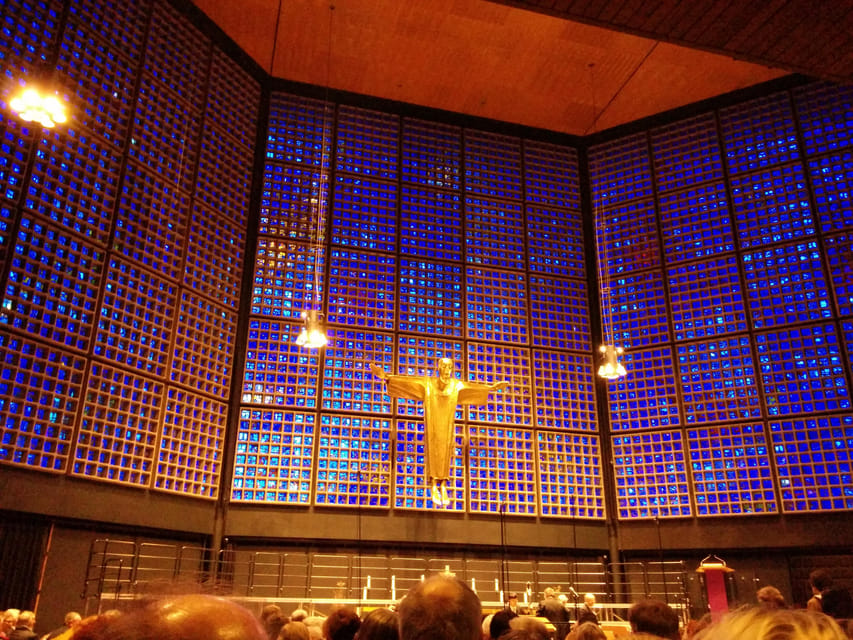
Book it if you want a short, affordable classical concert with famous music and a memorable Berlin setting. The organ pieces, the soprano, and the familiar repertoire give the evening plenty of variety, while the 70-minute length makes it easy to fit around dinner or sightseeing.
Think twice if you expect a full symphony orchestra or highly controlled concert-hall acoustics. Seat location can affect both the view and the sound, and entry arrangements may require patience.
For most visitors, the $27 price makes this a reasonable cultural addition to a Berlin itinerary. Choose it for atmosphere, recognizable music, and a compact evening experience, not for the scale of a major Philharmonie production.
FAQ

How long does the concert last?
The concert lasts approximately 70 minutes. Starting times vary, so check availability when booking.
Where does the concert begin and end?
The activity begins at Kaiser Wilhelm Memorial Church and ends at the same meeting point.
Who performs in the concert?
The performance features the Berlin Orchestra, soprano Duangamorn Fu, organist Vladimir Magalashvili, and a violin soloist.
What music may be included?
The advertised program includes works by Vivaldi, Mozart, Bach, Schubert, Händel, Beethoven, and Widor. It may include Vivaldi’s Spring and Summer, Mozart’s Lacrimosa, Bach’s Toccata and Fugue in D minor and Air on the G String, Schubert’s Ave Maria, Beethoven’s Fifth Symphony, and Widor’s Toccata. The program can change.
Is there a dress code?
No. There is no official dress code for the concert.
Is the concert wheelchair accessible?
Yes, the activity is wheelchair accessible.
Newest Berlin reviews
- Where It All Began: Berlin’s Queer & Trans History Tour★ 4.9 · 6 reviews
- Understanding Kreuzberg: The roots of local (sub)culture★ 4.9 · 11 reviews
- Berlin: guided canoe | kayaktour★ 4.1 · 7 reviews
- Private Potsdam City Tour in an authentic vintage van★ 5.0 · 14 reviews
- Warnemünde Shore Excursion: Private Sachsenhausen and Berlin Tour★ 5.0 · 12 reviews
- Ultimate E-Bike Tour of Berlin with Beer Garden Stop★ 5.0 · 4 reviews
- In the Forbidden City – Potsdam Walking Tour★ 5.0 · 17 reviews
- Private Walking Tour of Potsdam and Sanssouci★ 5.0 · 24 reviews