
Reviewed · BERLIN BAR AND CLUB TOURS
Get In: The Ultimate Berlin Club Tour
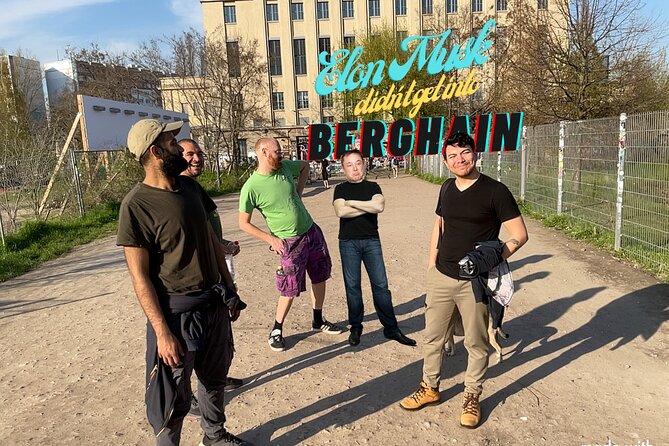
Berlin’s clubs are not simply places to dance. They are tied to the Berlin Wall, queer liberation, punk, migration, political protest, abandoned buildings, and the city’s long habit of turning neglected spaces into something useful. This small-group tour with Jeff of BerlinGuide.de makes that complicated story easier to follow, using club visits, historical images, video, audio, and augmented reality.
I like the maximum group size of 10, which should make it easier to ask questions and stay engaged. I also like the range of places covered, from SchwuZ and SO36 to Tresor, Berghain, YAAM, and RAW-Gelände. The main drawback is that this is a daytime history and culture tour, not a night of club entry. You will usually see venues from outside, with behind-the-scenes access to a world-famous club subject to availability.
Key points at a glance
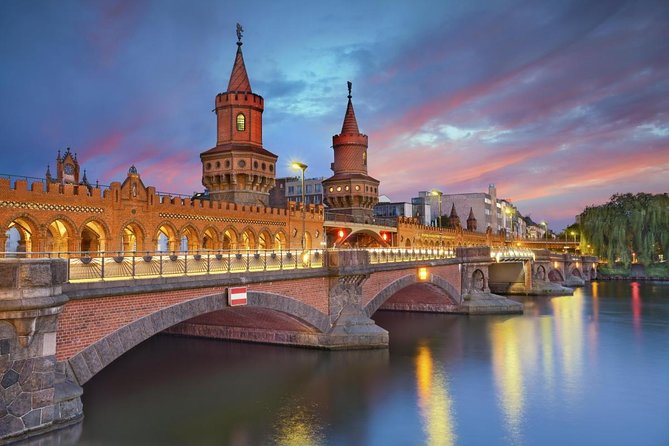
- Nine major stops: Follow Berlin’s club story from SchwuZ in Neukölln to RAW-Gelände near Warschauer Straße.
- Queer history comes first: Learn how LGBTQ+ clubs, activism, and figures such as Romy Haag helped shape modern Berlin nightlife.
- A small group of 10 or fewer: The format suits people who want conversation rather than a large lecture.
- Useful nightlife advice: Get practical context about music styles, door policies, club timing, and how different venues feel.
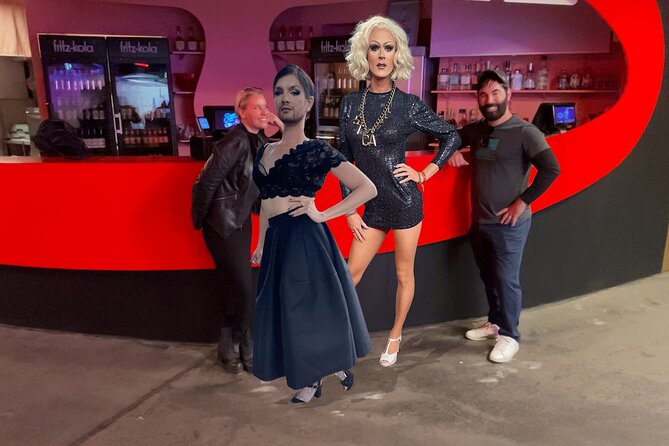
- Interactive material: Jeff uses more than 200 photos, videos, quotes, and audio clips, plus augmented reality features and personalized Mixies photos.
- A serious look at club politics: The tour covers safer spaces, refugee support, anti-far-right action, gentrification, and the fight to protect independent venues.
Why Berlin’s club story needs more than a night out
If you arrive in Berlin knowing only that Berghain has a famously selective door, you have heard just one small part of the story. This tour explains why the city’s clubs matter, and why many Berliners treat them as cultural institutions rather than ordinary bars with loud music.
The route connects nightlife to major changes in the city. The Berlin Wall created different conditions on either side of the divided city. After the Wall fell, empty buildings and former industrial sites gave artists and club organizers room to experiment. Queer communities, punk groups, migrants, musicians, and political activists all helped shape the scene.
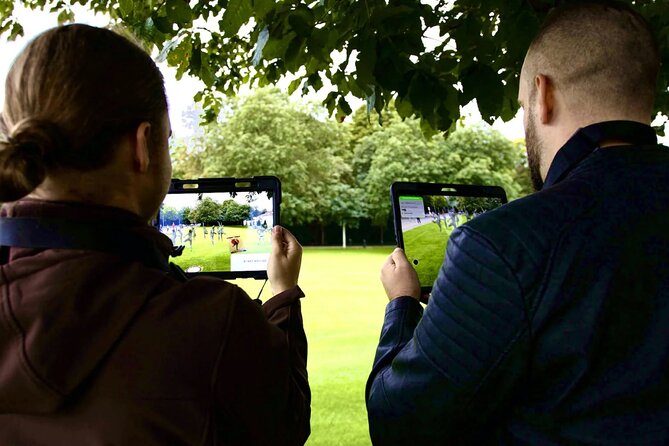
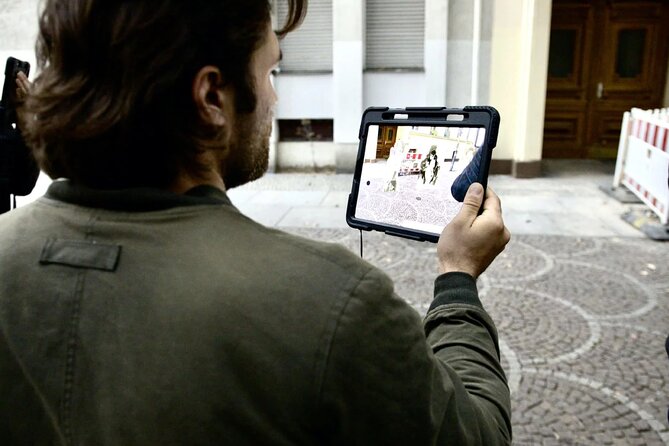
Jeff’s approach appears designed to keep this from becoming a dry lecture. The iPad material adds faces, old footage, music, and visual evidence to the places around you. That matters in Berlin, where a plain-looking building may have played a large role in club history even if you would never guess it from the street.
The 96 percent recommendation rate and 4.9 rating from 28 ratings suggest a consistently strong experience, though one practical warning deserves attention. A scheduled tour was once canceled because the guide became ill, and an email did not reach one participant. The operator arranged a refund, but the incident shows why you should check your messages before leaving for the meeting point.
More bar and club nights in Berlin:
- Berlin: Pub Crawl with Shots and VIP Club Entry
★ 4.9 · 710 reviews - Original Pub Crawl Berlin
★ 3.5 · 198 reviews - Berlin: Bar & Party Tour with Free Shots & VIP Club Access
★ 4.7 · 170 reviews
SchwuZ and the queer roots of Berlin nightlife
The tour starts at SchwuZ, at Rollbergstraße 26 in Neukölln. This is not a random opening stop. SchwuZ is one of Berlin’s best-known LGBTQ+ clubs, and it gives the tour a clear starting point: nightlife as a place where people have built community, claimed public space, and pushed back against social limits.
You will hear how the Berlin Wall affected nightlife and how Romy Haag, a trans pioneer, helped change the club world in the 1970s. The story also links queer venues such as Metropol with the later rise of techno. This helps correct the common idea that Berlin techno appeared suddenly after 1989. The sound grew from earlier networks, spaces, and communities.
SchwuZ also connects club culture with AIDS activism. That gives the visit more weight than a quick look at a fashionable nightclub. You will see how clubs served as places for celebration, organizing, survival, and public visibility.
The stop lasts about 20 minutes, and admission is included. The club’s role today as an LGBTQ+ cultural center makes it a useful place to begin, though the short stop means the tour can only sketch a much larger story.
SO36 and the rebellious side of Kreuzberg
Next comes SO36, a club strongly tied to West Berlin’s punk and counterculture scene. The discussion covers the economic difficulties of the 1970s and how those conditions shaped the city’s nightlife. In this setting, a lack of money did not prevent creativity. It helped produce a do-it-yourself club culture with room for punk, feminism, and dissent.
David Bowie and Iggy Pop are part of the story, but the focus is wider than celebrity connections. SO36 also became important to Berlin’s Turkish community and later hosted events linked to Kreuzberg CSD and Mad & Disabled Pride.
That combination is worth noting. SO36 is not presented as a museum piece frozen in its punk era. Its importance comes from the way it has changed while keeping a role as a meeting place for different communities.
The stop takes about 20 minutes, with no admission charge. You will not be attending a live event during this daytime visit, so the value comes from understanding how a club can function as a social and political space as well as a music venue.
Tresor and the sound of post-Wall Berlin
Tresor brings the story into the techno era. The club is located in a former GDR power plant, a setting that shows why abandoned or unused buildings became so important after German reunification.
Berlin had empty industrial and government spaces, and club organizers used them in ways that would have been difficult in a more polished city. Tresor became a symbol of that new period, when techno, freedom, and the physical remains of the divided city came together.
A particularly useful part of this stop is the attention given to Detroit’s Black techno DJs. Berlin techno did not develop in isolation. Detroit artists helped shape its sound and its wider cultural meaning, and that connection is essential if you want a fair account of the music.
This stop lasts about 15 minutes. It is brief, but the setting gives Jeff a strong way to explain why Berlin techno became known around the world.
A different sort of day out in Berlin:
- Berlin: Reichstag, Dome and Government District Guided Tour
★ 4.7 · 18,288 reviews - Berlin: 1-Hour City Tour by Boat with Guaranteed Seating
★ 4.3 · 16,993 reviews - Berlin: Boat Tour Along the River Spree
★ 4.4 · 11,252 reviews - Discover Berlin Half-Day Walking Tour
★ 5.0 · 9,624 reviews
KitKatClub and Berlin’s tradition of provocation
KitKatClub offers a different kind of nightlife history. The club is connected to Berlin’s cabaret traditions of the 1920s, but its current identity centers on sexual freedom, identity, and experimental parties.
You should expect an adult subject, handled as part of cultural history rather than as a promise of a particular party experience. The discussion concerns how clubs can create spaces where people test social boundaries and express themselves outside conventional expectations.
The stop lasts about 15 minutes. Since this is a daytime tour, you will learn about the venue and its role in Berlin nightlife rather than take part in one of its events. That distinction is important if you are booking because you expect an immediate club night.
Club Commission and the politics behind the door
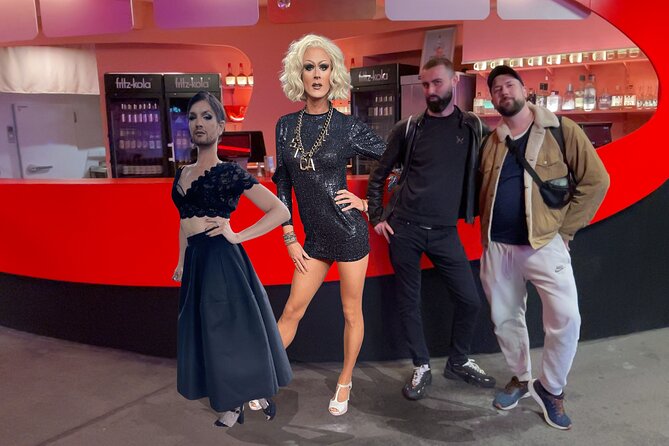
At Club Commission, the tour shifts from individual venues to the organization working to protect Berlin’s club culture. This stop explains why club owners and organizers campaign for political recognition, safer spaces, and the right to continue operating in a city under development pressure.
You will hear how clubs have supported LGBTQ+ rights, refugees, and marginalized communities. The discussion also includes protests against the far-right AfD. These details show the practical side of club politics. A nightclub may offer music and escape, but it can also provide a meeting place, a fundraising venue, or a platform for public action.
The stop is only about 10 minutes, so it works as a compact explanation rather than a full political briefing. It is still one of the tour’s most useful sections if you want to understand why Berlin’s club scene is treated as part of civic life.
Kater Blau, Holzmarkt, and the cost of gentrification

The visit to Kater Blau and Holzmarkt focuses on a problem facing nearly every successful alternative district: how can independent venues survive once the surrounding area becomes valuable?
This part covers the fight against gentrification and the pressure to replace informal creative spaces with more commercial uses. Kater Blau and Holzmarkt are presented as examples of venues trying to keep an alternative identity while operating in a changing city.
The stop itself is only about five minutes, so do not expect a long visit inside the venues. Instead, use it as a lens for the larger question of what happens when the culture that makes an area attractive also helps drive up its value.
YAAM and Berlin’s Caribbean connections
YAAM adds a needed international angle. Here, the focus is on the Black Caribbean community’s role in Berlin’s music scene, especially through reggae.
YAAM has also supported cultural exchange, youth programs, tolerance, refugee advocacy, and community building. That makes this short stop more than a note about music style. It shows how a club can connect Berlin with wider communities and use entertainment as a way to bring people together.
The visit lasts about five minutes. The limited time means you will get an introduction rather than a full account of Berlin’s Black music history, but YAAM helps keep the tour from treating techno and punk as the city’s only important sounds.
Berghain, anonymity, and the famous door
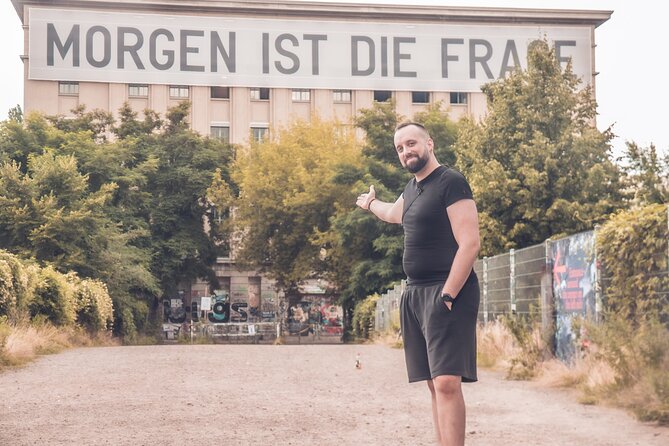
Berghain is the stop many people will recognize first. The tour explains the club’s history, its connection with a former bunker, and its growth into one of the world’s best-known techno venues.
The no-photo policy receives attention because it helps protect anonymity on the dance floor. That rule is not simply a quirky club requirement. It supports the idea that people can dress, move, socialize, and express themselves without turning every moment into public content.
The discussion also addresses sexual expression and gender identity, including ideas linked to Judith Butler and Michel Foucault. You do not need to be a philosophy student to find this useful. The concepts help explain why Berghain is often discussed as a social space with its own rules, not just a place with a powerful sound system.
This stop lasts around 20 minutes. You should not assume that a daytime visit guarantees entry to the club or a better chance of passing the door. The tour can give you context and practical orientation, but the decision at the door remains outside its control.
RAW-Gelände and the final look at Berlin’s club future
The route ends at RAW-Gelände, near Warschauer Straße. This former industrial site contains venues and cultural spaces including Suicide Circus, Haubentaucher, and Astra Kulturhaus.
RAW is a fitting final stop because it brings together many themes from the day: reused buildings, open-air parties, alternative culture, development pressure, and the ongoing fight over who gets to shape Berlin’s nightlife.
You will hear about the loss of venues such as Watergate and Griessmuehle, as well as the pressure facing ://about blank. The discussion also covers Berlin’s long tradition of open-air raves, which helped reclaim unused parts of the city and gave techno a physical setting beyond conventional clubs.
The tour ends near the Warschauer Straße train stop, which is useful if you want to continue exploring Berlin or head toward an evening event. The final stop lasts about 10 minutes, and it gives the tour a forward-looking finish rather than pretending club culture is settled.
The augmented reality and media are more than decoration
The tour includes more than 200 photos, videos, quotes, and audio clips. Jeff also uses augmented reality to bring celebrities and clubs into the discussion, and Mixies let you make personalized photos with AR elements.
I understand why some people might question an iPad on a walking tour. In this case, the device has a clear job. Many of the places have changed, operate mainly at night, or do not reveal their past from the outside. Old images and footage can show what the building or surrounding street once looked like.
The interactive format also helps break up the steady movement between stops. Quiz questions and visual material can make the information easier to remember, especially if you are not already familiar with Berlin’s music history.
Still, the technology is not the reason to book the experience. You should choose this tour for its historical connections and Jeff’s presentation. The AR features are a bonus, not a replacement for seeing the actual city.
Price, timing, and practical value
The price is $81.98 per person, and the tour lasts about three hours and 30 minutes. That is not a cheap walking tour, especially since public transport is not included and most stops do not include admission.
The value depends on what you want. If you only want a list of clubs to visit later, the price may feel high. If you want a guided explanation of how queer communities, punk, techno, migration, activism, and urban development connect, the cost is easier to justify.
The small group matters here. With no more than 10 people, Jeff can keep the discussion personal and respond to questions. You are also paying for research, visual material, and a route that would be difficult to organize from a normal nightlife guide.
Bring a valid public transport ticket. The route begins at SchwuZ at 11:30 a.m. and ends at RAW-Gelände near Warschauer Straße. Wear shoes suited to several hours of moving around the city, and remember that the tour requires good weather. If poor weather or low enrollment causes cancellation, you can choose another date or receive a full refund.
Free cancellation is available up to 24 hours before the start time. Changes or cancellations inside that 24-hour window are not accepted for a refund.
Who should book this Berlin club tour?
I would recommend it to first-time Berlin visitors who want nightlife context before choosing where to go. It is also a good fit for people interested in LGBTQ+ history, techno, punk, migration, urban politics, or alternative culture.
You do not need to be a serious clubber. Several people who began unsure about Berlin nightlife reportedly finished the tour more open to trying it. That is one of the experience’s practical strengths: it can make an unfamiliar club scene feel less mysterious.
It may not suit you if you want a night of dancing, guaranteed entry, or long visits inside each club. The schedule covers nine stops, so most visits are short. You will see many places, but you will not spend an hour at each one.
Should you book it?
Book this tour if you want to understand why Berlin clubs matter, not just where to find them. Jeff’s strongest qualities are his preparation, personal delivery, and ability to connect music with social movements without turning the morning into a classroom lecture.
The best reason to go is the unusual route. SchwuZ, SO36, Tresor, KitKatClub, Club Commission, YAAM, Berghain, and RAW-Gelände tell different parts of the same city story. At $81.98, it is a considered purchase, but the small group, media material, AR elements, and insider orientation give it real value for curious visitors.
Skip it if you want club entry or a party. Choose it if you want the background that makes Berlin’s nightlife easier to understand, and perhaps easier to approach later that night.
FAQ
How long does the Berlin club tour last?
The tour lasts approximately three hours and 30 minutes. It begins at 11:30 a.m.
Where does the tour start and finish?
The tour starts at SchwuZ, Rollbergstraße 26, 12053 Berlin. It ends at RAW-Gelände, Revaler Str. 99, near the Warschauer Straße train stop.
Is public transportation included?
No. You need to bring your own public transport ticket to join the tour.
How many people can join?
The group is capped at 10 participants.
Does the tour include entry to the clubs?
Admission is included at SchwuZ. The other listed stops have no admission charge, and exclusive behind-the-scenes access to a world-famous Berlin club is subject to availability.
Can I cancel for a full refund?
Yes. You can cancel at least 24 hours before the local start time for a full refund. Cancellations or changes made less than 24 hours before the start time are not accepted for a refund.
Newest Berlin reviews
- Where It All Began: Berlin’s Queer & Trans History Tour★ 4.9 · 6 reviews
- Understanding Kreuzberg: The roots of local (sub)culture★ 4.9 · 11 reviews
- Berlin: guided canoe | kayaktour★ 4.1 · 7 reviews
- Private Potsdam City Tour in an authentic vintage van★ 5.0 · 14 reviews
- Warnemünde Shore Excursion: Private Sachsenhausen and Berlin Tour★ 5.0 · 12 reviews
- Ultimate E-Bike Tour of Berlin with Beer Garden Stop★ 5.0 · 4 reviews
- In the Forbidden City – Potsdam Walking Tour★ 5.0 · 17 reviews
- Private Walking Tour of Potsdam and Sanssouci★ 5.0 · 24 reviews
Berlin Bar and Club Tours, compared.
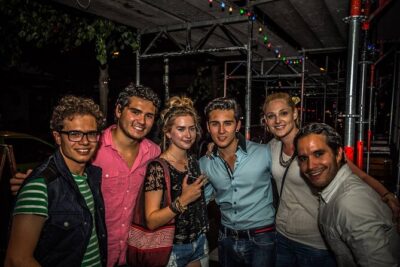

Bar & Party Tour with Free Shots & VIP Club Access
Read our review →
Exclusive Bar-Hopping Tour with Signature Drinks
Read our review →
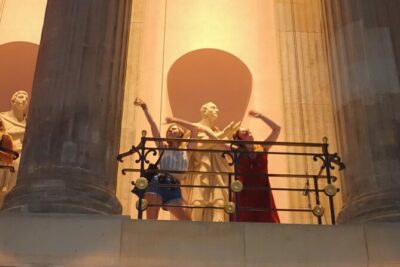
Silent disco through downtown Berlin with flash mobs
Read our review →
Browse the lists this tour appears in