
Reviewed · POTSDAM AND SANSSOUCI DAY TRIPS
Potsdam: Museum Barberini Entry Ticket
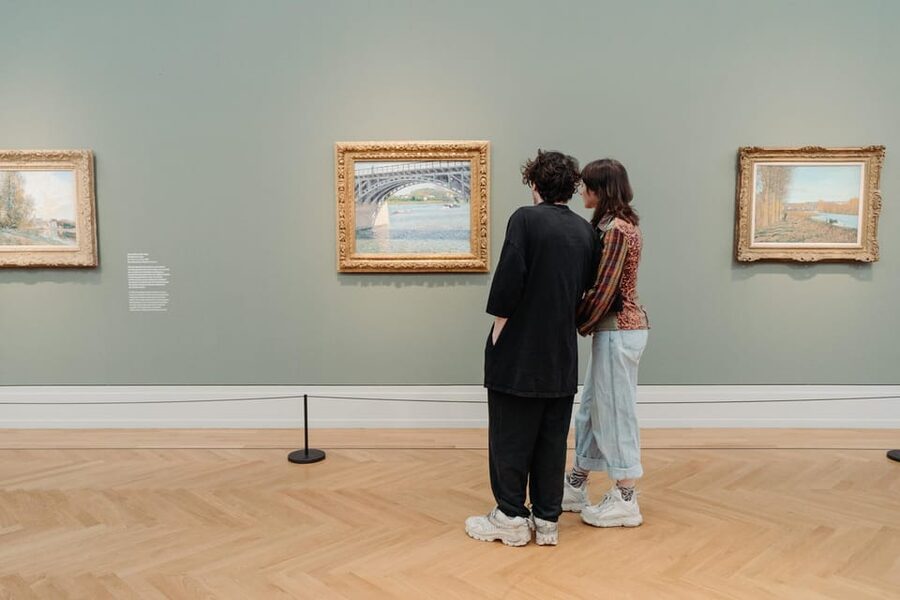
The main reason to visit Museum Barberini is simple: more than 100 Impressionist paintings are gathered inside a reconstructed palace in Potsdam’s historic center. Claude Monet gets special billing here, with the second-largest collection of his paintings in Europe, but you’ll also find major works by Renoir, Berthe Morisot, Cézanne, Caillebotte, and Paul Signac.
I like the way the museum connects careful observation with abstraction. I also like the practical two-hour format, which gives you enough time to focus without turning an art stop into an all-day assignment. The one catch is that the digital guide requires you to download the Barberini app to your own phone, and special events or workshops cost extra.
Key points to know before you go
- More than 100 Impressionist paintings: The collection gives you a broad look at how artists handled light, color, weather, and everyday scenes.
- A major Monet collection: Museum Barberini holds Europe’s second-largest collection of paintings by Claude Monet.
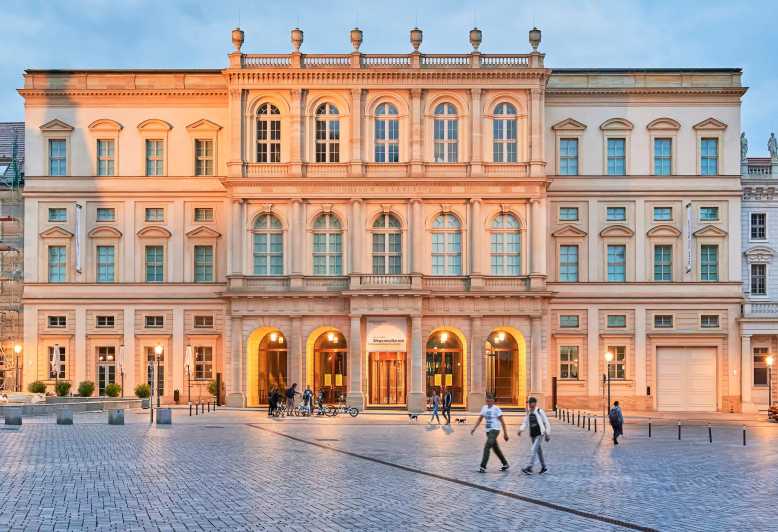
- A reconstructed palace setting: The art is displayed in a historic center location, adding architectural interest to your visit.
- A free digital guide: Download the Barberini app to use an audio guide during your visit.
- About two hours is a sensible visit: You can see the main collection at a steady pace without rushing.
- Special shows change the experience: Three special exhibitions are presented each year with works borrowed from international museums and private collections.
Why the Impressionist collection is the main event
Museum Barberini is built around Impressionist painting, so you should arrive knowing what kind of art experience you are getting. This is not a museum that tries to cover every era equally. Instead, it gives you a focused look at painters who changed the way people saw modern life.
The collection includes Claude Monet, Pierre-Auguste Renoir, Berthe Morisot, Gustave Caillebotte, Paul Cézanne, and Paul Signac. That list matters because each artist approached vision in a different way. Monet explored shifting light and atmosphere. Renoir brought warmth and human presence. Morisot offered a distinctive view of domestic and outdoor scenes. Cézanne pushed careful observation toward a more structured form of abstraction.
I love museums that let you compare artists instead of presenting each painting as an isolated masterpiece. Here, you can pay attention to the choices behind the image. How much detail does the painter keep? Where does color replace form? How does a familiar scene begin to look less like a photograph and more like a personal response?
That makes the collection useful even if you are not already an Impressionist expert. You can simply look at the paintings and ask why some scenes feel solid while others seem to flicker. The museum’s focus on observation helps explain how realistic images could lead toward abstraction.
More Potsdam and Sanssouci day trips from Potsdam:
- Potsdam: City and Castles Tour
★ 4.7 · 3,721 reviews - Potsdam: Palace Tour by Boat
★ 4.5 · 2,369 reviews - Potsdam: Sanssouci Palace and Prussian Palaces Entry Ticket
★ 4.5 · 2,101 reviews
Monet gets the strongest spotlight
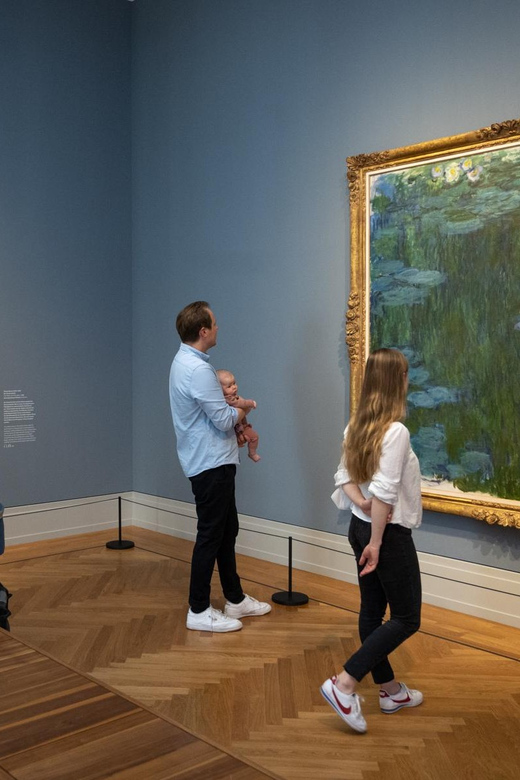
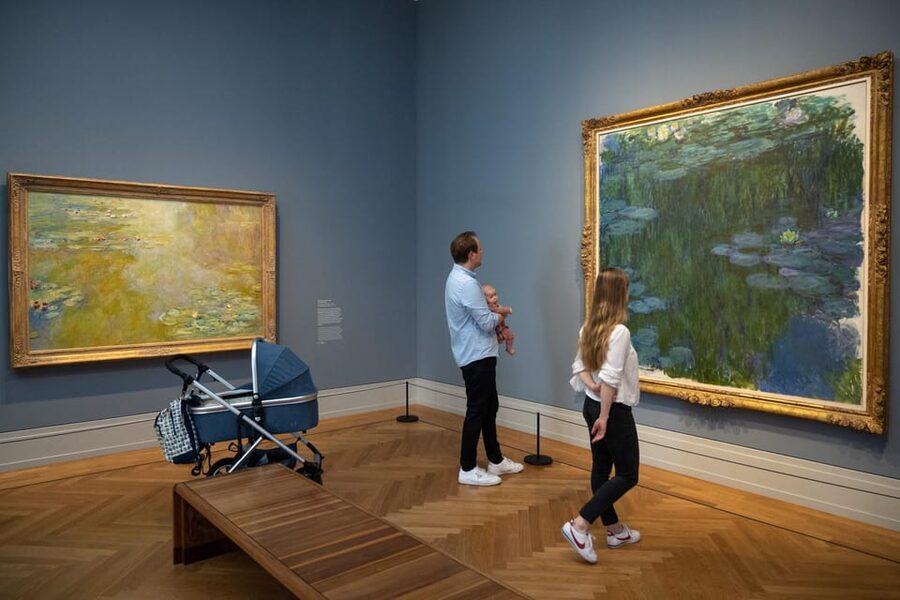
The collection’s biggest draw is its Monet selection, described as the second-largest collection of his paintings in Europe. That gives your visit a clear center of gravity.
Monet is often reduced to soft colors and pretty gardens, but a strong group of his paintings lets you see the method behind the beauty. He repeatedly studied how light changed a scene. The subject could remain familiar while the colors, edges, and atmosphere shifted around it.
You should take your time with the Monet works rather than simply checking off a famous name. Look at the brushwork from close up, then step back and let the whole image settle. A painting that seems loose at first can become remarkably convincing from a few steps away.
The size of the collection also gives you a better chance to notice development and variation. You may find that one painting feels calm and almost still, while another seems to record a passing moment. That contrast is part of the value. You are not just seeing one example of Monet’s style. You are getting a broader sense of the questions he kept asking about light, color, and sight.
Morisot, Cézanne, Caillebotte, and Signac
Monet may bring you through the door, but the other artists keep the visit from becoming one-note.
Berthe Morisot deserves special attention. She is often mentioned less than Monet or Renoir, yet her paintings add an important voice to the collection. Look for the way her work handles atmosphere, movement, and informal scenes. Her brushwork can feel quick without appearing careless.
Cézanne offers a different challenge. His paintings can look less immediately smooth than Monet’s, but that is exactly why they are worth your time. He examined the structure beneath what he saw, helping point painting toward later abstraction. If you enjoy noticing how an image is built, his work may be among the most rewarding parts of the visit.
Caillebotte can appeal to you if you like strong composition and carefully observed modern scenes. Signac adds another angle through his use of color and mark-making. Together, these artists show that Impressionism was not a single visual recipe.
I suggest comparing two or three artists before moving on. Instead of asking which painting is the prettiest, ask which one changes most when you move closer. That small exercise makes the visit more active and helps you see the artists’ different decisions.
A palace setting in Potsdam’s historic center
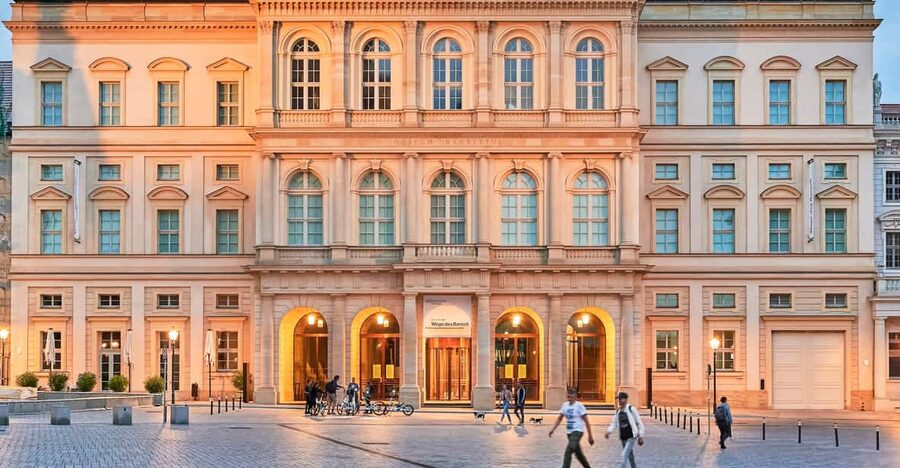
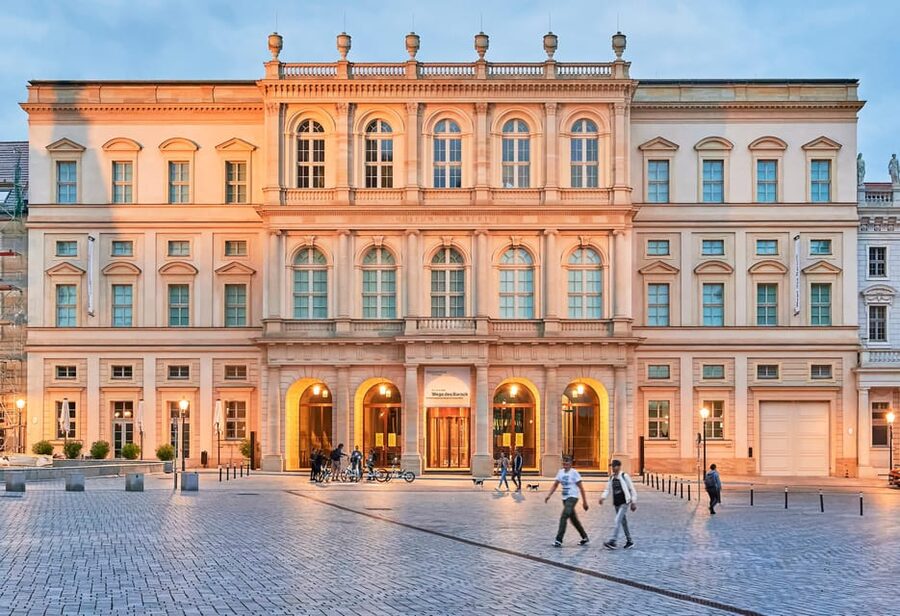
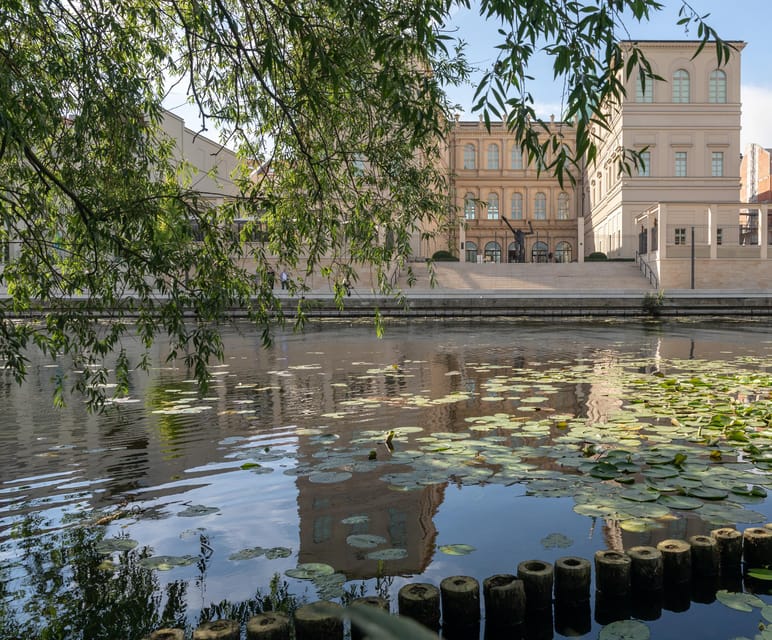
The museum occupies a reconstructed palace in Potsdam’s historic center. The setting gives the visit a sense of place before you even consider the paintings.
A palace can make an art museum feel grand, but it can also affect how you pace yourself. Rather than treating the building as a plain container for pictures, pause to notice how the rooms frame the collection. The contrast between historic architecture and modern viewing habits is part of the experience.
The central location also makes Museum Barberini a practical addition to a day in Potsdam. You do not need to commit a full day to the museum. With a planned two-hour visit, you can give the paintings proper attention and still leave time for other parts of the city.
That said, the palace setting should not be the main reason you book. The collection is the real draw. Think of the building as a strong setting for the art, not as a separate palace tour with rooms presented for their own sake.
More museums and galleries in Potsdam:
- Berlin: Natural History Museum Entrance Ticket
★ 4.6 · 3,382 reviews - Skip-the-Line: Berlin Wall Museum at Checkpoint Charlie
★ 4.1 · 2,041 reviews - Berlin: Museum Island Multiple Museum Entry Ticket
★ 4.4 · 2,007 reviews - Berlin: Interactive DeJa Vu Museum Entrance Ticket
★ 4.1 · 1,338 reviews
How to use the two-hour visit
Two hours is a useful target for this museum. It is long enough to see the permanent Impressionist collection and any special exhibition at a comfortable pace, but short enough to fit into a wider Potsdam plan.
I would divide the visit into three stages:
- Start by getting a general sense of the galleries. Notice the artists represented and the overall range of the collection.
- Spend most of your time with the Monet paintings and the works that catch your eye. Read less, look more, and return to a few paintings after seeing the rest.
- Finish with the special exhibition, if one is included during your visit, then allow a little time for the store or café.
Do not feel obliged to give every painting equal attention. Art museums are not exams. Pick a few works to study closely, then let the rest provide context.
The app-based digital audio guide can help you make sense of unfamiliar pieces. Because it is downloaded to your own phone, bring a charged device and allow enough time to install it before you begin. The guide is included, but it is not a live tour with a named guide. No individual guide names are provided for this experience.
What the special exhibitions add
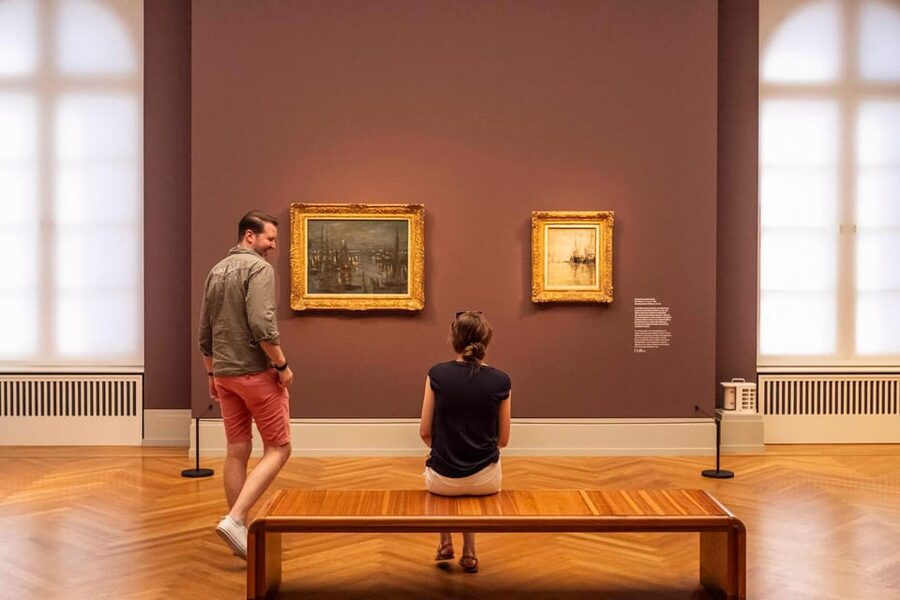
Museum Barberini presents three special exhibitions each year. These shows use loans from international museums and private collections, so the experience can change considerably from one visit to the next.
This is good news if you are returning to Potsdam. A new exhibition may place familiar artists beside works you would not normally see together. It can also give the permanent collection a new focus by exploring a period, idea, or group of artists in more depth.
The practical point is to check what is showing when you book. The special exhibition is included with your entrance, but education programs, workshops, and other events are not. Those require a separate ticket.
You may also find a program of symposia, readings, guided tours, concerts, film evenings, and workshops. This makes the museum more than a silent gallery, but you should treat those activities as optional additions rather than part of the basic ticket.
Using the app without letting it take over
The free Barberini app gives you a digital audio guide during the visit. This is useful if you want background information without joining a scheduled group.
I recommend using the guide selectively. Listening to every entry can turn a visual experience into a long stream of facts. Choose the works that interest you, listen, then put the phone away and look at the painting again.
There is also a small practical tradeoff. Your phone becomes part of the museum visit, so battery life and headphones matter. The information provided confirms that the guide is available through the app, but it does not specify the full language selection. Check the app details before your visit if language support is important to you.
The museum store and Barberini Café
The museum store is a sensible final stop if you want a book or art-related keepsake. It also gives you a quiet way to continue thinking about the paintings after leaving the galleries.
The Barberini Café rounds out the visit. Since food and drinks are not allowed in the exhibition areas, plan to use the café rather than trying to carry refreshments through the museum. This is a small rule, but it helps keep the galleries calm and protects the paintings.
You should also leave backpacks, bags, and bikes outside the exhibition experience as required. Pets are not allowed, although assistance dogs are permitted. Do not touch the exhibits, climb, litter, or bring anything that could create a safety problem.
Is $11 good value?
At $11 per person, Museum Barberini offers solid value for a focused art visit. The ticket includes entry to the permanent Impressionist collection, access to the special exhibition, and the digital audio guide through the Barberini app.
The price makes particular sense if you care about Monet or Impressionism. A museum with more than 100 paintings in one major style can easily fill two hours, and the special exhibition gives you a second reason to look closely at the ticket’s value.
The calculation changes if you are mainly interested in events. Symposia, concerts, workshops, readings, and guided programs require an additional ticket, so do not assume the basic admission covers every activity happening at the museum.
For a short visit in Potsdam, I would call $11 a fair price. You are paying for a concentrated collection rather than a huge museum complex. That focus is an advantage if you want substance without spending an entire day indoors.
Who will enjoy this museum most?
Museum Barberini suits you if you like painting, especially Impressionism and early steps toward abstraction. It is also a good choice if you want a calm cultural stop with a clear time limit.
You do not need a strong art background. The range of painters gives beginners a useful introduction, while the Monet collection and special exhibitions offer enough depth for people who already know the period.
Families and mixed-interest groups may find the two-hour length manageable, but the museum is still an art-focused stop. Anyone hoping for hands-on activities should check the separate workshop and education program schedule.
The museum is wheelchair accessible, which makes it a practical option for many visitors. The main limitations are the strict rules around bags, food, drinks, bikes, and touching the art.
Booking, timing, and flexibility
You can cancel up to 24 hours before the visit for a full refund. You can also reserve now and pay later, which helps if your Potsdam plans are still taking shape.
The stated duration is two hours, but you should check the available starting times before booking. The information provided does not give a fixed departure schedule or a group size, so plan around the admission time shown when you reserve.
If you are fitting the museum between other Potsdam activities, protect the full two-hour window. Rushing through the Monet collection would miss much of the point.
Should you book Museum Barberini?
Book it if you want a focused art museum with a major Monet collection, a broad set of Impressionist painters, and a manageable two-hour visit. The reconstructed palace setting and central Potsdam location make it easy to add to a day of sightseeing.
Skip it if you are looking mainly for an interactive activity, a live guided tour, or a museum covering many different historical periods. For art lovers, the $11 ticket is a sensible buy. For everyone else, the decision depends on whether Impressionist painting is worth two quiet hours of your day.
FAQ
How long does the Museum Barberini visit take?
The stated duration is two hours. That gives you time to see the permanent Impressionist collection and the special exhibition included with admission.
What does the ticket include?
The ticket includes entrance to Museum Barberini, access to the permanent Impressionist collection, access to the special exhibition, and a digital audio guide through the Barberini app.
Is the digital audio guide included?
Yes. You can download the free Barberini app to your phone and use its digital audio guide during the museum visit.
Are workshops and concerts included?
No. Education programs, workshops, symposia, readings, guided tours, concerts, and film evenings require an extra ticket.
Is Museum Barberini wheelchair accessible?
Yes, the museum is wheelchair accessible.
Can I cancel my booking?
Yes. You can cancel up to 24 hours in advance for a full refund. You can also reserve now and pay later.
Newest Potsdam reviews
- Private Potsdam City Tour in an authentic vintage van★ 5.0 · 14 reviews
- Warnemünde Shore Excursion: Private Sachsenhausen and Berlin Tour★ 5.0 · 12 reviews
- In the Forbidden City – Potsdam Walking Tour★ 5.0 · 17 reviews
- Private Walking Tour of Potsdam and Sanssouci★ 5.0 · 24 reviews
- Potsdam Highlights – Private sightseeing tour by minibus★ 5.0 · 3 reviews
- Brandenburg Scavenger Hunt and Sights Self-Guided Tour★ 5.0 · 6 reviews
- Private Sightseeingtour im Taxi nach Potsdam und Sanssouci★ 5.0 · 12 reviews
- Potsdam: Private Walking Tour of Potsdam and Sanssouci★ 4.8 · 28 reviews
Potsdam and Sanssouci Day Trips, compared.


Sanssouci Palace and Prussian Palaces Entry Ticket
Read our review →

Sachsenhausen Concentration Camp and Potsdam Tour
Read our review →

Browse the lists this tour appears in