
Reviewed · POTSDAM AND SANSSOUCI DAY TRIPS
Potsdam: Entry to DAS MINSK Kunsthaus in Potsdam
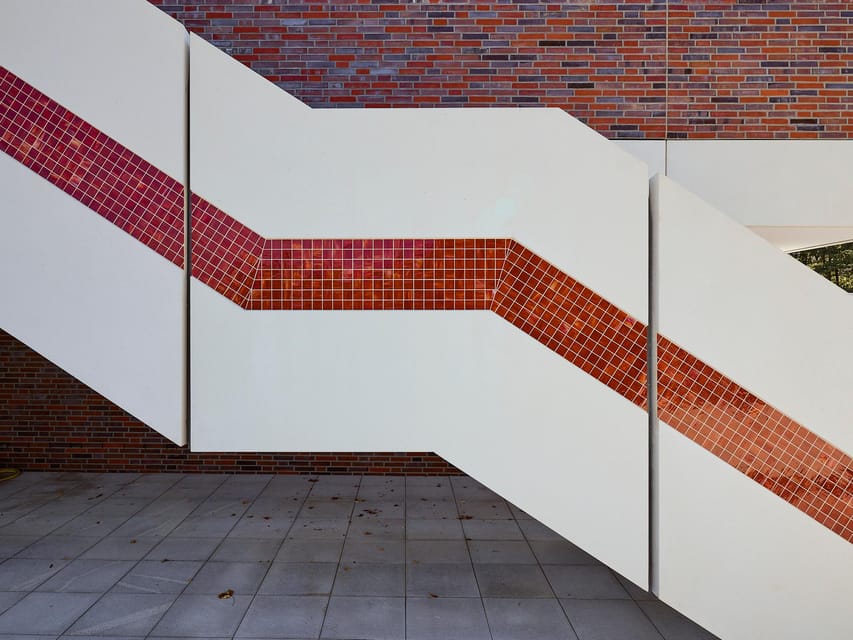
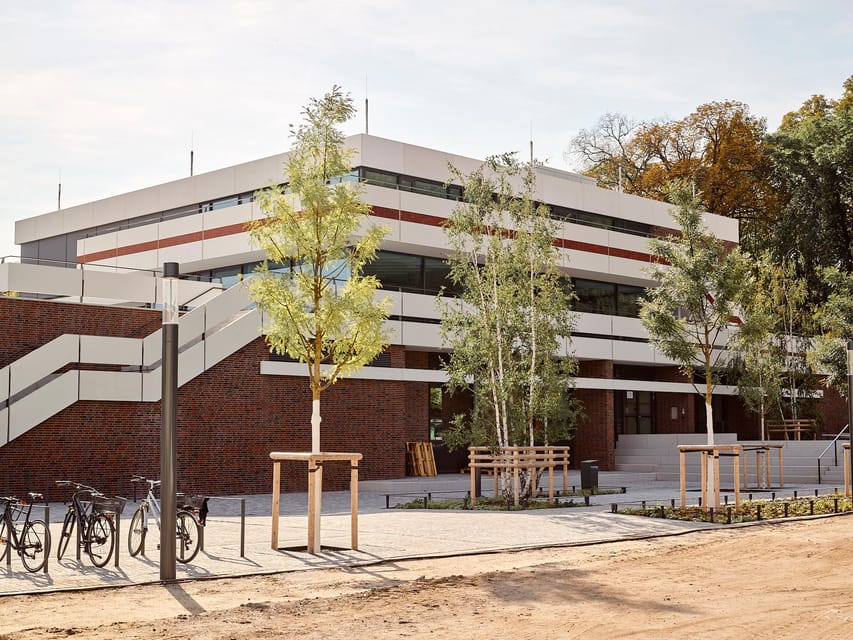
The most interesting part of DAS MINSK is the building itself: a former 1970s terrace restaurant from the GDR, now given a new life as an art center. Inside, you get modern and contemporary art alongside works from the former East Germany, so the visit connects art, politics, architecture, and daily life in one compact stop.
I like the way the museum uses the old structure rather than hiding its past, and I like that the exhibitions change, giving you a reason to return. The Café HEDWIG and broad summer terraces add real value, especially if you want coffee, cake, lunch, and a city view after the galleries.
The main drawback is the limited amount of practical introduction at the entrance. You may need to ask for orientation, and an audio accompaniment can help if you want more context than the labels provide. The art can also feel serious and dark, depending on the exhibition.
Key points to know before you go
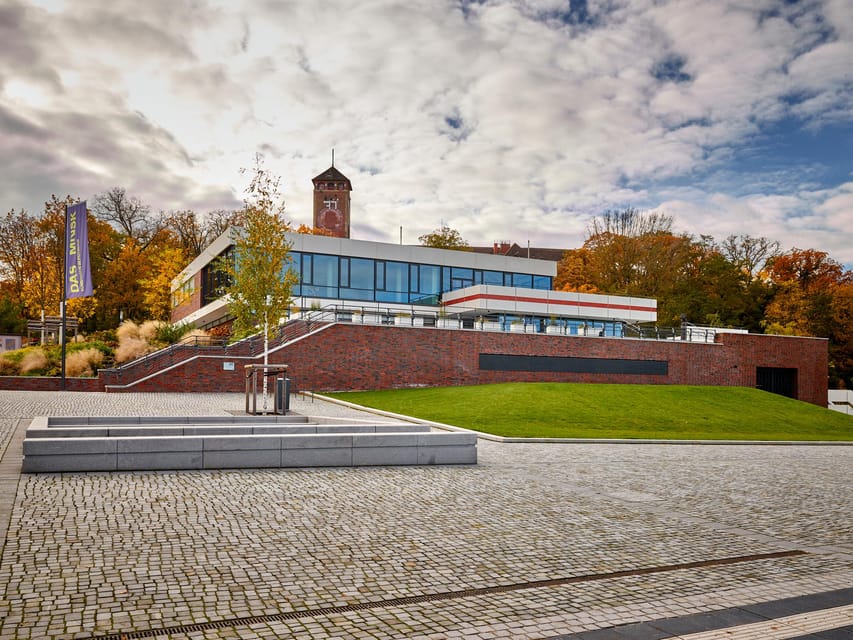
- A GDR modernist landmark: The museum occupies the former Minsk terrace restaurant, built in the 1970s.
- Changing art exhibitions: Displays focus on modern and contemporary art, with themes that shift over time.
- Works from the former GDR: Pieces from the Hasso Plattner Collection appear in new settings and combinations.
- Current focus on textiles: Soft Power looks at textile design as an artistic tool for questioning power relations.
- A useful two-hour visit: Allow time for the galleries, the building, and a stop at Café HEDWIG.
- Simple, flexible booking: Entry costs $11 per person, with skip-the-ticket-line access and cancellation up to 24 hours ahead.
Why the old Minsk building matters
DAS MINSK is not a neutral white box built solely for art. It began as a terrace restaurant in the 1970s, designed in the modernist style of the GDR. That background changes how you read the place before you even reach the exhibition rooms.
The building reflects a period when public architecture was meant to shape everyday life. A restaurant with terraces, views, and open social space was not just somewhere to eat. It was also a place to meet, pause, and look out over the city. Today, the same structure serves as a meeting point for art and people.
I find that architectural link more rewarding than a quick look at a new gallery with no visible past. You can pay attention to the shape of the building, its open feeling, and the way the art sits inside a structure made for public use. You do not need a specialist background in architecture to appreciate the contrast between the building’s original purpose and its current role.
The former name also gives the museum a strong local identity. DAS MINSK is not trying to erase the building’s GDR connection. Instead, its history becomes part of the visit. For anyone interested in Potsdam’s urban development, this is a useful stop because it joins cultural history to the city’s built environment.
More Potsdam and Sanssouci day trips from Potsdam:
- Potsdam: City and Castles Tour
★ 4.7 · 3,721 reviews - Potsdam: Palace Tour by Boat
★ 4.5 · 2,369 reviews - Potsdam: Sanssouci Palace and Prussian Palaces Entry Ticket
★ 4.5 · 2,101 reviews
How the art program changes from season to season
The exhibition program is not fixed, so the exact experience depends on when you visit. The museum presents modern and contemporary art, with a particular interest in placing works from the former GDR in new contexts.
That approach matters. Art made in East Germany can be read narrowly if it is shown only as political evidence or as a period display. At DAS MINSK, these works are placed alongside wider modern and contemporary concerns. You get a chance to think about how meaning shifts when an object moves from its original time into a new conversation.
The current spring exhibition, Soft Power, focuses on textile design as an artistic form that can question power relations. It is arranged in three chapters, giving the subject a clear structure rather than presenting textiles as simple decoration.
Textile art can be easy to underestimate. Fabric, pattern, clothing, and design are part of ordinary life, yet they can also express class, gender, national identity, labor, and authority. The exhibition’s central idea asks you to look at those everyday materials with more care.
You may find the subject especially worthwhile if you enjoy art that connects objects to social questions. It is less about a single famous masterpiece and more about how materials carry ideas. If your taste runs toward fast visual thrills, some rooms may feel demanding. Give yourself time to read and compare the works instead of rushing from one piece to the next.
What a two-hour visit feels like
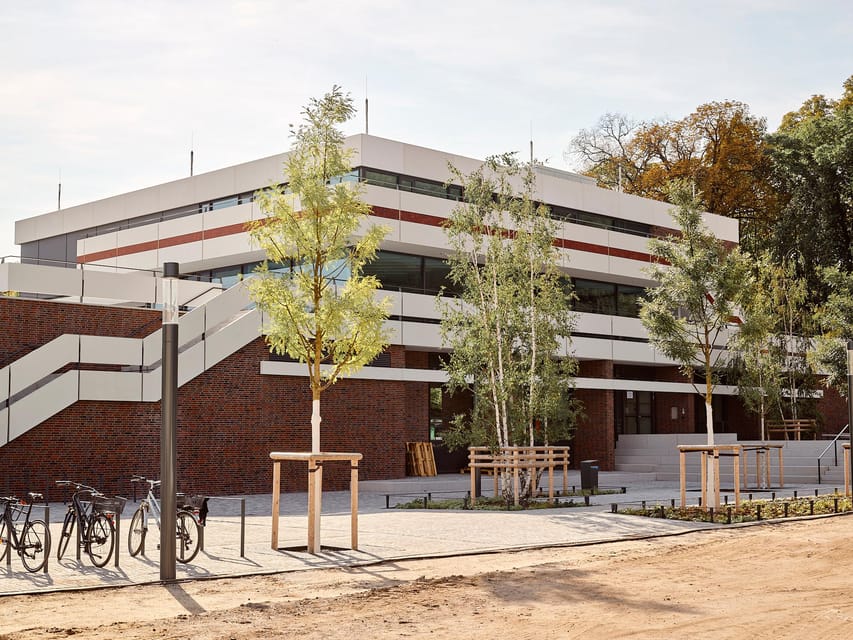
Two hours is a sensible amount of time for DAS MINSK. It gives you enough room to see the exhibition at a thoughtful pace without turning the museum into an all-day commitment.
Begin by getting your bearings. The entrance guidance may be brief, so ask if you are unsure where the exhibition begins or how the spaces are arranged. This small step can save time and help you understand the relationship between the building and the displays.
Next, move through the exhibition in order, especially if the show is arranged in chapters. With Soft Power, the three-part structure should help you follow the ideas as they develop. You can look first at the visual qualities of the works, then consider the larger questions about design, influence, and power.
Set aside time for the GDR works. Their value is not only in their age or origin. The new context is the point. Look at how their subject, material, or style changes when placed beside more recent art.
An audio accompaniment is worth considering if one is available for your visit. The experience can feel more complete when you have background on the works and the exhibition’s themes. Without that support, you may need to rely more heavily on wall text and your own interpretation.
Finish by spending a little time with the building itself. Notice the contrast between the original modernist design and the current art spaces. Then continue to Café HEDWIG if you want to extend the visit beyond the galleries.
Café HEDWIG and the summer terraces
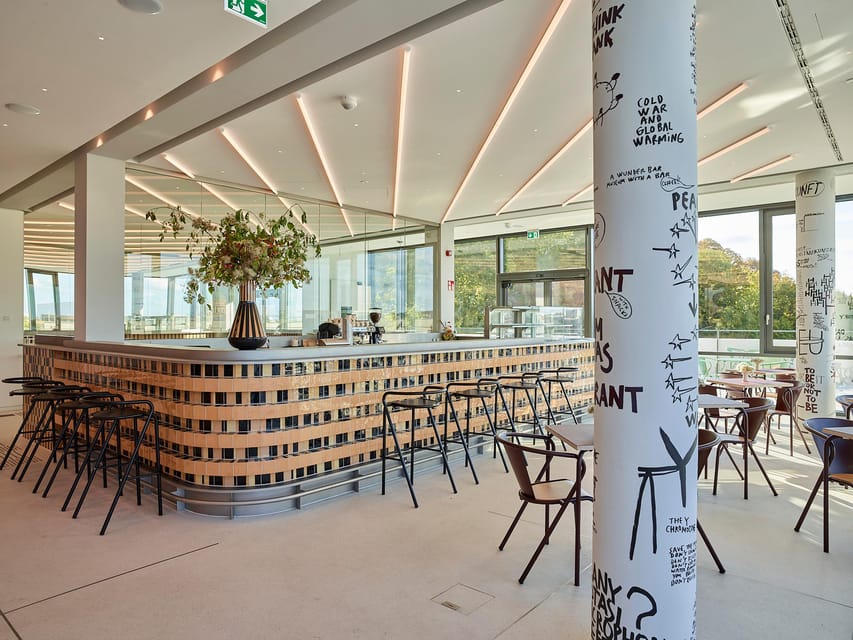
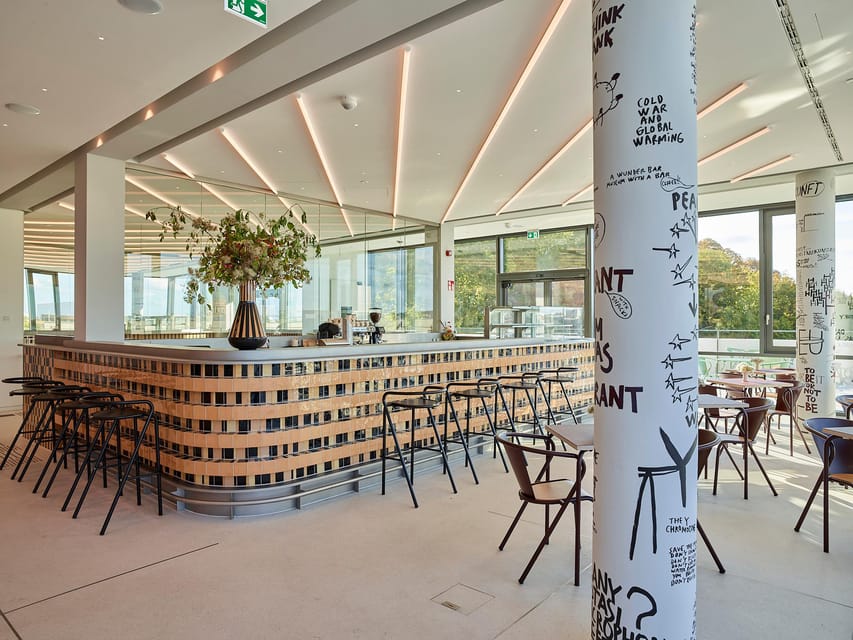
Café HEDWIG offers lunch, cakes, and coffee, making it more than an afterthought. For many people, this will be the pleasant second half of the visit. You can see the exhibition without having to plan a separate café stop elsewhere in Potsdam.
The summer terraces are the real draw. They offer a broad view over the city and make the old terrace restaurant feel connected to its original public purpose. If the weather is good, I would plan a little extra time here rather than treating the café as a quick refueling point.
This also helps balance the more serious tone of some exhibitions. Art dealing with political power, historical memory, or difficult social subjects can leave you needing a pause. Coffee and a city view give the visit a lighter finish.
Do not assume the café replaces a full day of sightseeing. The museum is still a compact experience, and the terrace is an added pleasure rather than a separate attraction. But at $11 for entry, the combination of gallery time, architecture, café access, and outdoor views makes the stop feel more substantial than a basic admission ticket.
A different sort of day out in Potsdam:
- Potsdam by Boat: Island Cruise
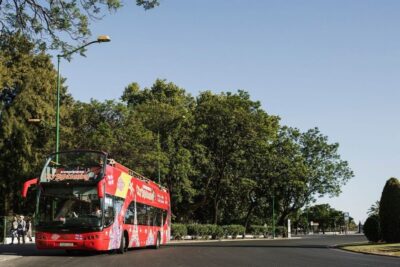
★ 4.6 · 1,308 reviews - Potsdam: City Sightseeing Hop-On Hop-Off Bus Tour
★ 4.2 · 864 reviews - Potsdam: Museum Barberini Entry Ticket
★ 4.6 · 403 reviews - City and Palaces Tour Potsdam – Stadt- und Schloesserrundfahrt Potsdam
★ 4.5 · 317 reviews
The tone of the exhibitions
You should be prepared for art that can feel thoughtful, political, and at times gloomy. The former GDR material brings historical weight, while an exhibition such as Soft Power asks you to consider unequal relationships and the way design can influence society.
That tone will suit you if you like art with an argument. It may be less appealing if you want cheerful, easy-to-read displays or a museum built around familiar names. The experience asks for attention, and some pieces may take time before their purpose becomes clear.
I would avoid judging the entire museum from one room. Since the exhibitions change, a difficult or dark show is not necessarily a permanent feature of DAS MINSK. Check the current theme before booking if the mood of the exhibition matters to your plans.
The museum’s strength is its willingness to connect art to real life. Textiles, architecture, public space, and political history are not kept in separate boxes. You may leave with fewer simple answers, but with more questions about how objects and buildings shape the way people live.
Price, timing, and practical value
Entry is $11 per person, with a visit lasting about two hours. For Potsdam, that is a reasonable price if you plan to see the exhibition carefully and use the museum as a cultural stop rather than a quick photo opportunity.
The value improves when you include the building and café in your plan. You are not paying only to pass through a series of rooms. You are also seeing a preserved example of GDR modernist architecture and gaining access to a place designed for conversation, food, and public gathering.
Skip-the-ticket-line access makes the arrival easier, though the available starting times can vary. Check the schedule before you set your day around it. The flexible booking terms are useful if your Potsdam plans may change, since you can cancel up to 24 hours in advance for a full refund or reserve now and pay later.
The museum is wheelchair accessible, which makes it a practical choice for visitors who need an accessible cultural stop. Guided tours, events, and workshops are not included, so expect a self-guided visit unless you arrange something separate.
There is no guide name to note because this is an entry ticket rather than a guided tour. If you want personal explanation throughout the galleries, this may not be the right format. If you prefer to move at your own pace, it gives you that freedom.
Who will enjoy DAS MINSK most
I would recommend DAS MINSK to you if you have an interest in modern art, contemporary art, textile design, or the history of East Germany. It is also a good choice if you enjoy buildings with a visible past and like to connect architecture with social history.
The museum works well for a two-hour break between other Potsdam activities. You can make the gallery visit the main event, then use Café HEDWIG and the terraces to slow down before continuing through the city.
Families may find the changing themes easier or harder depending on the exhibition. The museum’s size helps keep the visit manageable, but the serious subjects may not hold every child’s attention. Anyone seeking a traditional collection of famous European paintings should also set expectations carefully.
You should choose another activity if you want a guided historical tour, a large museum with many permanent rooms, or a highly social program of workshops and events. Those extras are not part of the standard admission.
Should you book DAS MINSK?
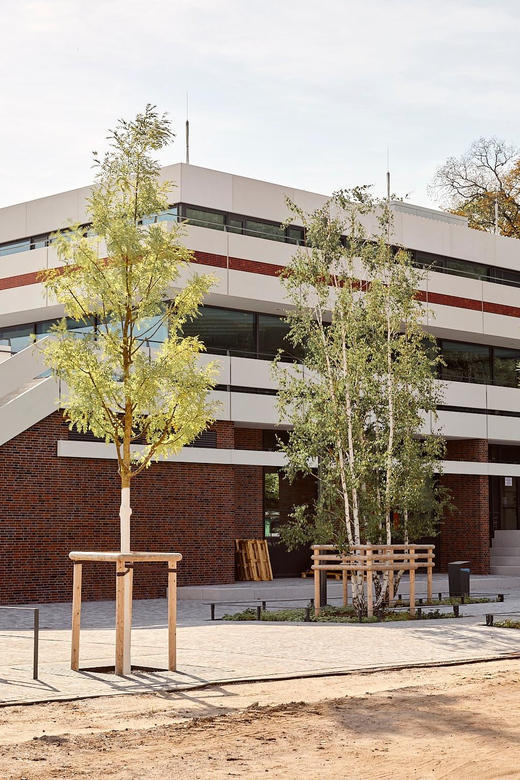
Book it if you want a compact art visit with real architectural character, especially if the current exhibition interests you. The combination of GDR history, modern and contemporary art, and the Hasso Plattner Collection gives the museum more depth than its two-hour length suggests.
I particularly like it as a quieter Potsdam stop with a clear sense of place. Plan to use the café, and save time for the summer terraces if they are open. Just remember that the exhibitions can be serious, the entrance orientation may be limited, and an audio accompaniment could improve your understanding.
At $11, DAS MINSK is a fair buy for an art-minded visitor who values context and atmosphere as much as famous objects. It is not a must for every sightseeing plan, but it is a smart choice when the exhibition theme and the building’s GDR modernist story match your interests.
FAQ
How much does entry to DAS MINSK Kunsthaus cost?
Entry costs $11 per person.
How long should I allow for the visit?
The stated duration is about two hours. This gives you time for the exhibitions, the building, and possibly Café HEDWIG.
What type of art is shown at DAS MINSK?
The museum presents changing exhibitions of modern and contemporary art. It also shows works from the former GDR that belong to the Hasso Plattner Collection.
What is the current exhibition about?
The spring exhibition, Soft Power, presents textile design as an artistic means of questioning power relations. It is arranged in three chapters.
Are guided tours, workshops, or events included?
No. The entry ticket includes admission to the exhibitions only. Guided tours, events, and workshops are not included.
Is DAS MINSK wheelchair accessible?
Yes. The activity is listed as wheelchair accessible.
Newest Potsdam reviews
- Private Potsdam City Tour in an authentic vintage van★ 5.0 · 14 reviews
- Warnemünde Shore Excursion: Private Sachsenhausen and Berlin Tour★ 5.0 · 12 reviews
- In the Forbidden City – Potsdam Walking Tour★ 5.0 · 17 reviews
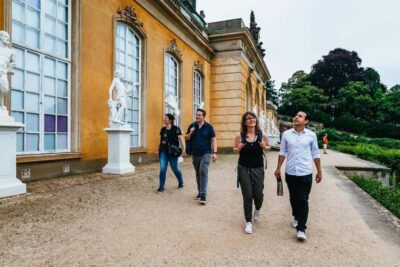
- Private Walking Tour of Potsdam and Sanssouci★ 5.0 · 24 reviews
- Potsdam Highlights – Private sightseeing tour by minibus★ 5.0 · 3 reviews
- Brandenburg Scavenger Hunt and Sights Self-Guided Tour★ 5.0 · 6 reviews
- Private Sightseeingtour im Taxi nach Potsdam und Sanssouci★ 5.0 · 12 reviews
- Potsdam: Private Walking Tour of Potsdam and Sanssouci★ 4.8 · 28 reviews
Potsdam and Sanssouci Day Trips, compared.
Sanssouci Palace and Prussian Palaces Entry Ticket
Read our review →
Sachsenhausen Concentration Camp and Potsdam Tour
Read our review →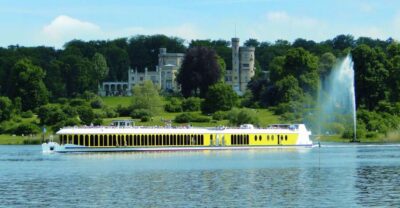
Browse the lists this tour appears in